The Story
Why it exists.
The beginning
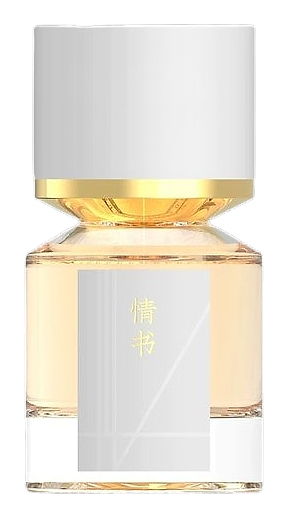
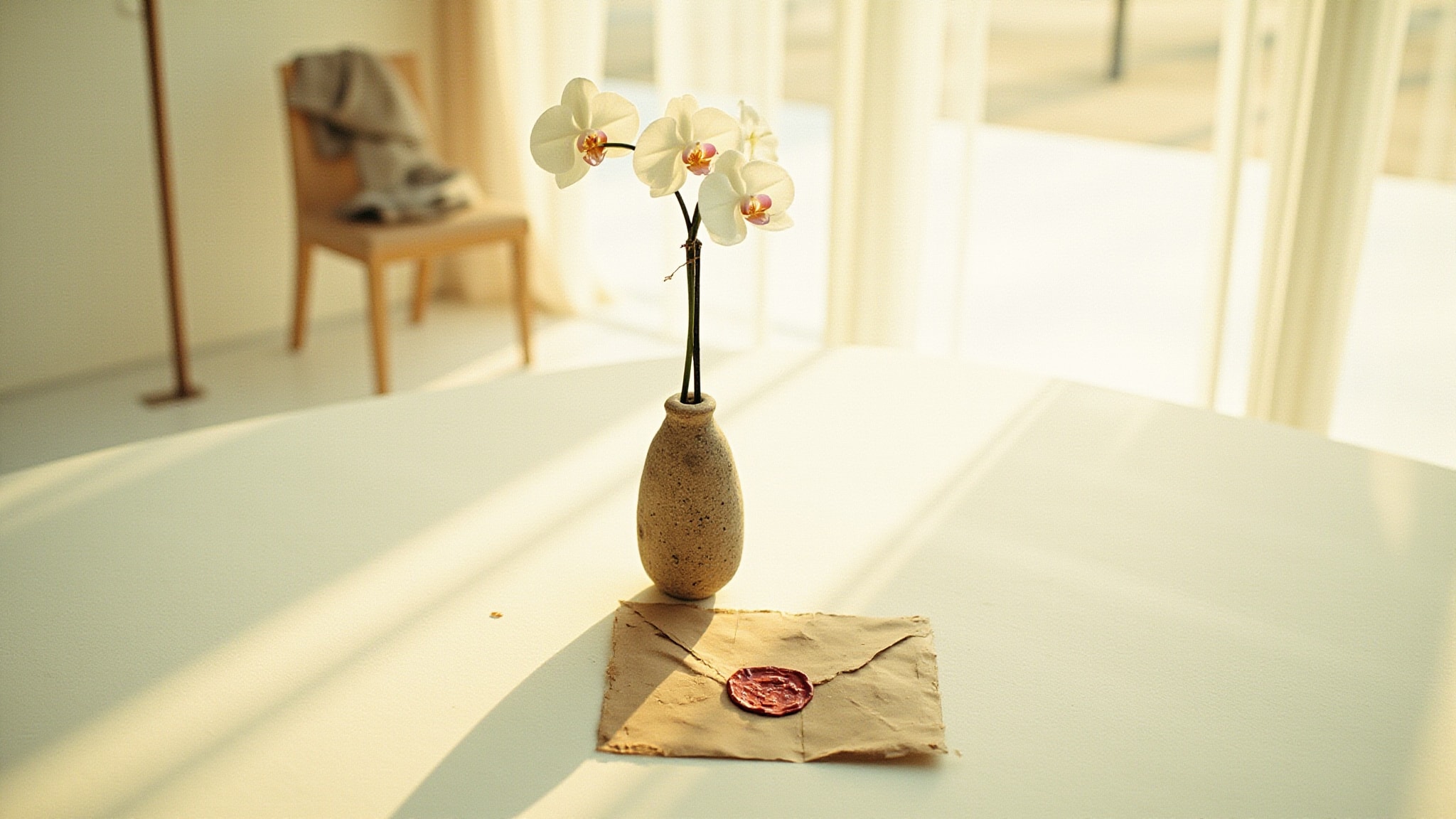
Love Letter by Fukudo emerged from a house built on cultural translation, East Asian olfactory traditions meeting contemporary composition. The name love letter, written in characters shared by Chinese and Japanese, carries weight in those contexts. It's not just correspondence. It's the thing you meant to say. Fukudo translated that into aldehydes and white florals: materials that feel both intimate and slightly distant, present but not quite reaching. The aldehydes create a tension between what gets expressed and what remains unspoken, a quiet friction that the wearer carries rather than announces. The white florals, jasmine, lily of the valley, white champaca, remain restrained, never fully blooming, intimate rather than performative.
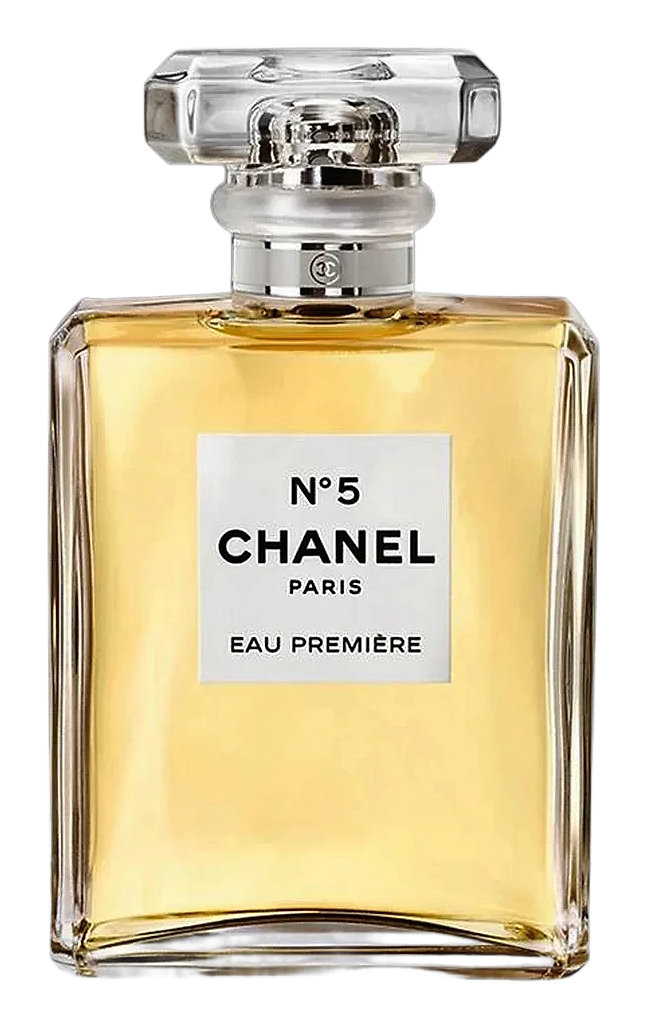
What makes Love Letter work is the contradiction at its center. Aldehydes are inherently cool, almost clinical, the stuff that made Chanel No. 5 feel modern in 1921. White florals are inherently warm, enveloping, sometimes overwhelming. Fukudo puts them in dialogue without resolving the tension. The lily of the valley, the jasmine, the white champaca all carry a certain sweetness. The aldehydes keep pulling it back toward something cooler, more restrained. This isn't a safe floral. The aldehydes aren't subtle here, they're structural. They shape the entire composition, giving the florals a vintage quality that feels less like nostalgia and more like restraint. Kumasaka isn't reaching for the past.
The evolution
Bergamot opens the top, bright and citrus-clean. Ylang-ylang arrives within seconds, not sweet in the tropical sense, but lifted, almost airy. Magnolia leaf adds a green note that keeps the aldehydes from feeling too sharp. The aldehydes announce themselves quickly, adding that distinctive powdery quality that reads as vintage, as something you've smelled before but can't place. The heart develops next, jasmine emerging alongside lily of the valley, delicate and slightly sweet, but held in check by the aldehydes. White champaca adds its own floral character, softer than jasmine, more anonymous. Magnolia leaf lingers in the background, keeping the green alive. The florals don't fully bloom, they stay restrained, intimate. The aldehydes persist, maintaining that cool, powdery character throughout the heart.
Cultural impact
Love Letter is an aldehydic floral that avoids nostalgia, pursuing something more nuanced. Fukudo's house style favors restraint, and this fragrance exemplifies that approach. The aldehydes create distance rather than drama, the florals stay personal rather than performative. It's a composition for someone who wants to smell interesting without announcing themselves, for occasions that reward subtlety over projection. The aldehydes give Love Letter its distinctive powdery quality, that vintage, familiar-but-unplaceable character. Jasmine and lily of the valley emerge next, delicate and slightly sweet, but held in check by the aldehydes.