The Story
Why it exists.
The beginning
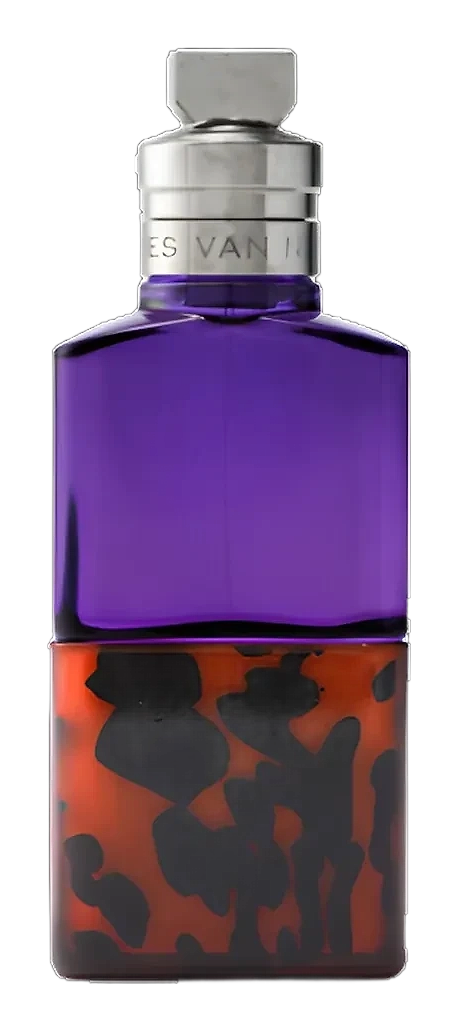
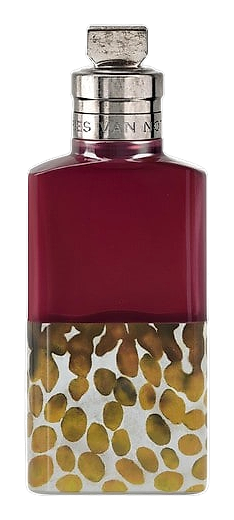
Nicolas Bonneville wanted to offer a new vision of patchouli. The perfumer transposed patchouli's earth effect into a salty minerality, and built Mystic Moss around that inversion. The scent opens bright and coastal, almost paradoxical in its citrus-salty character. There is a sharp, clean quality to the opening that feels unexpected given the name. It is a fragrance that earns its title only in the drydown, when the oakmoss and vetiver finally arrive and the mineral earth settles in for hours. The tension between name and reality is the point. The composition moves through distinct phases, each one revealing a different facet of the patchouli and mineral interplay.
What makes this composition unusual is how the mineral note carries through the entire arc rather than appearing only at the end. The algae doesn't read as aquatic in the conventional sense, it adds a briny, slightly bitter mineral weight that bridges the bright opening to the earthy base. Meanwhile, clary sage keeps herbal coolness present throughout, preventing the green mandarin from ever reading as purely sweet. The cardamom flicker in the opening is sharp enough to demand attention but brief enough not to dominate. It's a small amount of spice that makes the whole opening feel awake rather than soft.
The evolution
The opening arrives electric. Green mandarin that doesn't smell like fruit, it smells like the air above one, bright and slightly bitter. Clary sage hums underneath, cool and herbal. A cardamom flicker keeps things sharp. The three notes move like a chord. Thirty minutes in, the green mandarin softens and the algae lifts, but this is not an aquatic fragrance. The algae adds mineral weight, briny and slightly bitter, and the geranium slides in quietly, green and almost rose. The citrus doesn't disappear, it retreats into the background, holding the marine-salty center at bay. Then the base arrives. Oakmoss and vetiver settle in with a mineral quality that doesn't read as sweet or gourmand, just grounded. Patchouli adds depth without darkness. The incense is subtle, a whisper rather than a statement. The drydown lasts for hours on most skin, intimate and close, the mineral earth that the name always promised finally arriving exactly when promised.
Cultural impact
Mystic Moss is a chypre that opens bright and coastal rather than dark and mossy. The composition subverts expectations, and the drydown delivers. Wearers describe it as present but not loud, distinctive without demanding attention.
The House
Dries Van NotenDries Van Noten is a Belgian fashion house founded in Antwerp in 1986. The brand became a defining force in contemporary fashion as a member of the influential Antwerp Six, known for bold painterly prints, rich textures, and a signature aesthetic that blends eclectic global references with artisanal craftsmanship. In 2018, the company partnered with Spanish fragrance and fashion group Puig, which acquired a majority stake while Van Noten retained a minority shareholding. The brand expanded internationally with flagships including an 800 square metre space on La Cienega Boulevard in Los Angeles, stores in Shanghai and Chengdu, and in 2022 opened a Paris gallery devoted exclusively to fragrance, beauty, and accessories called Galerie Quai Malaquais. The beauty line features twelve gender-fluid fragrances, thirty lipsticks in refillable packaging, and a range of accessories. Soie Malaquais won the Fragrance Foundation UK Award for Design & Packaging. In June 2024, Dries Van Noten stepped down as Creative Director, passing the role to Julian Klausner, who had joined the house in 2018.
The Creator
Nicolas BonnevilleNicolas is passionate about natural raw materials, a devotion that has been inherent to him since childhood. He travels the world to follow harvests: India for jasmine sambac, Italy for mandarin and bergamot, Florence for iris, Tunisia for orange blossom.