White Champaca
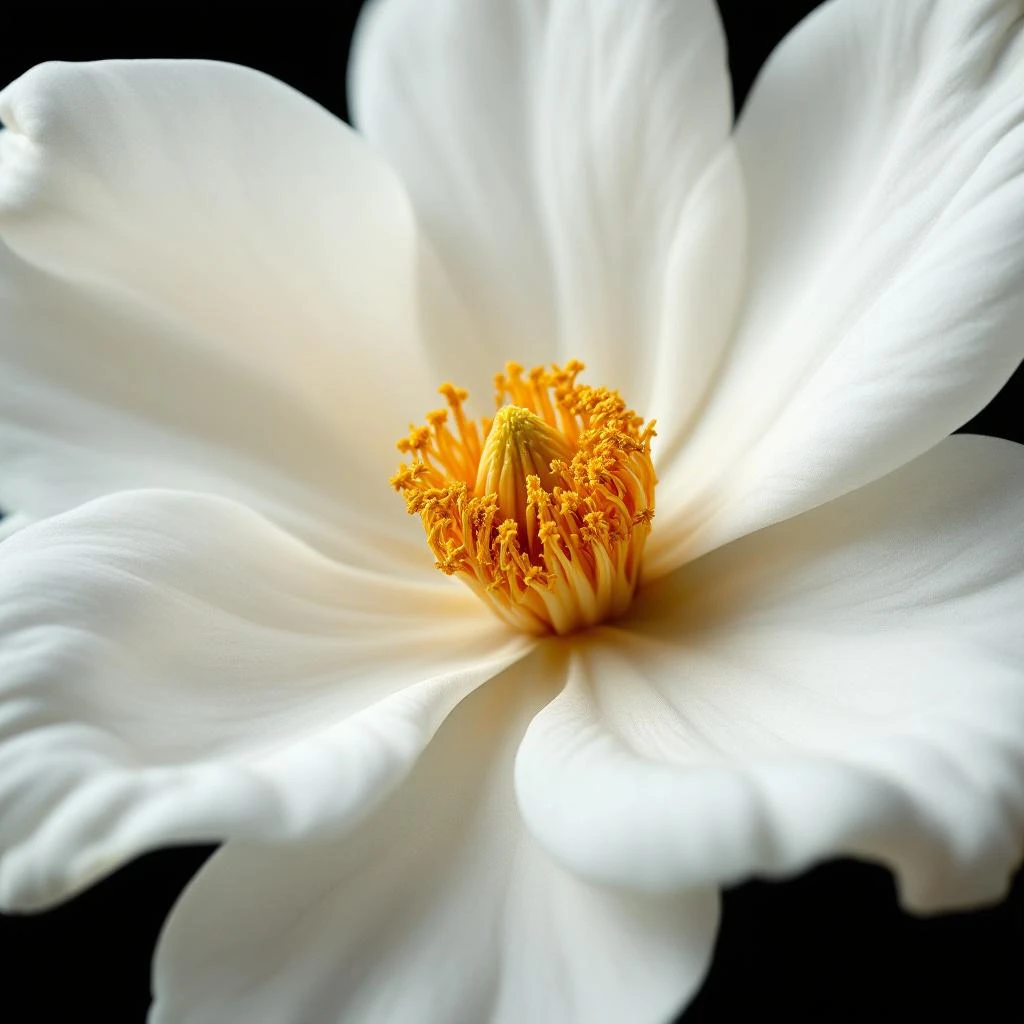
White Champaca delivers a crisp, luminous aroma that blends bright citrus sparks with the creamy depth of magnolia, offering a clean, airy finish that stands out in modern fragrance compositions.
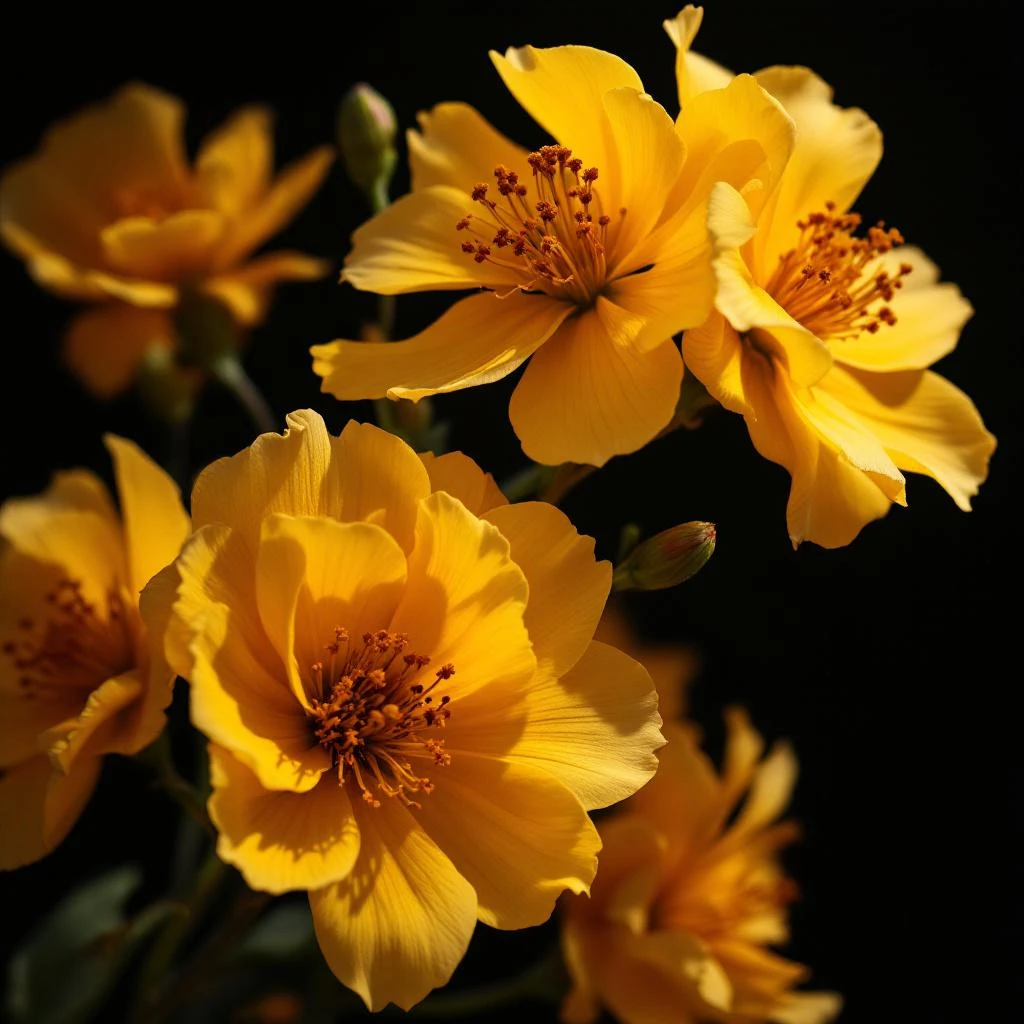
Character
How it smells
Bright citrus meets creamy magnolia in a single bloom.
The white champaca tree can flower twice a year, and each bloom releases enough volatile oil to scent a small garden for several days without any human intervention.






Origin
India
White champaca originates in the Indian subcontinent, where ancient Ayurvedic texts praised its scent for meditation and ritual incense. Buddhist monks carried dried branches along trade routes to Southeast Asia, where the flower entered royal courts as a symbol of purity. During the 18th century, Dutch traders introduced champaca buds to Europe, where they appeared in early perfume bottles as a rare exotic note.
The 20th century saw chemists isolate the flower's absolute, allowing perfumers to blend it with greater precision. Today, white champaca remains a bridge between traditional ceremonial use and contemporary fragrance design, valued for its clean, bright character that echoes its historic role as a scent of celebration and calm.
Wears it best
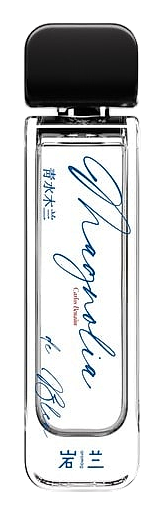
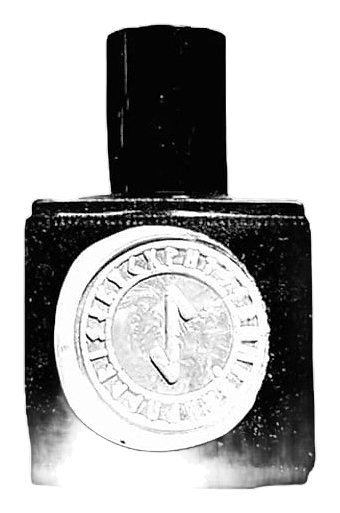
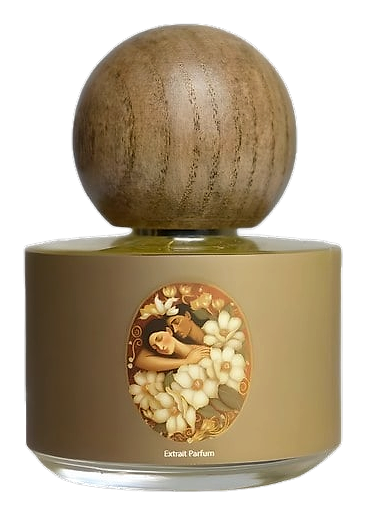
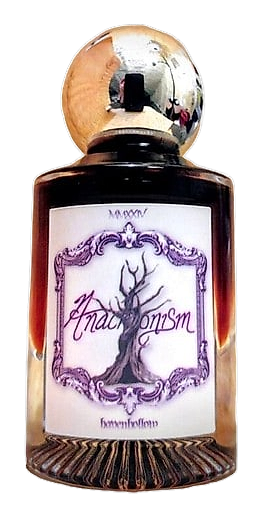
Fragrances featuring White Champaca
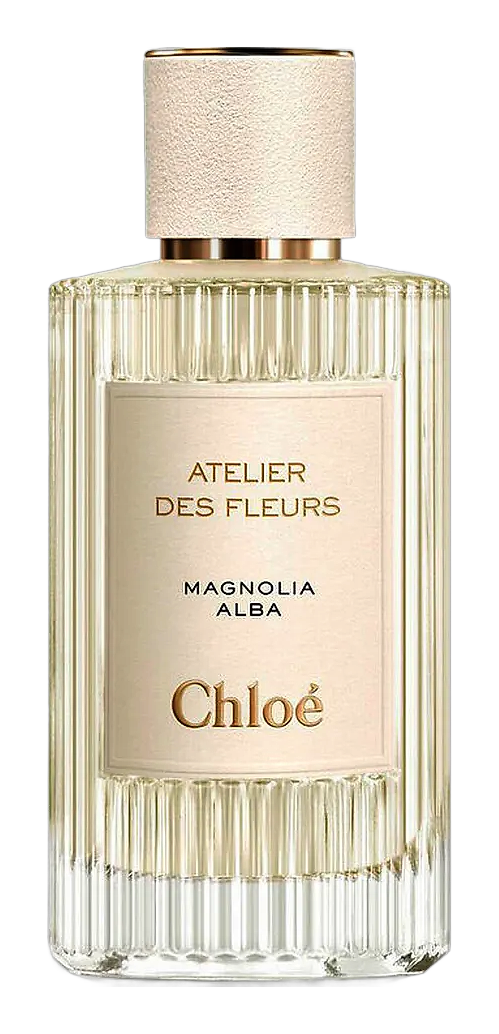
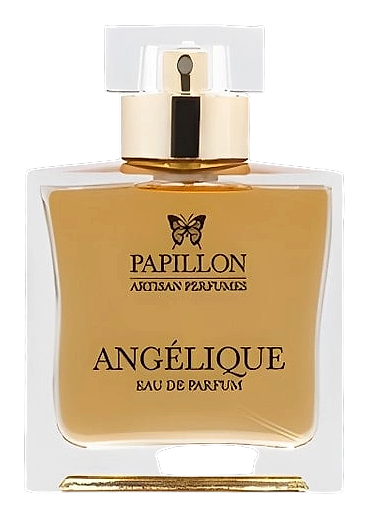
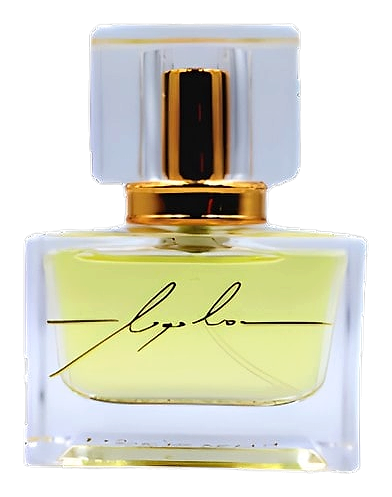
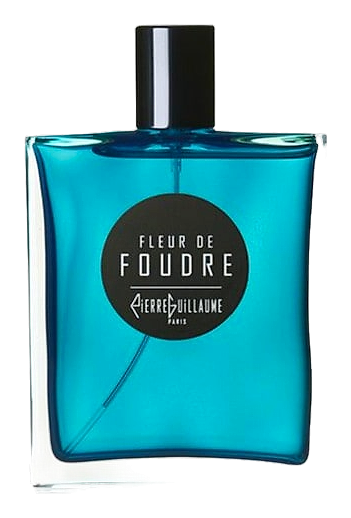
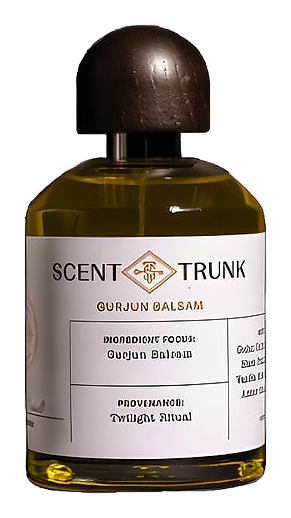
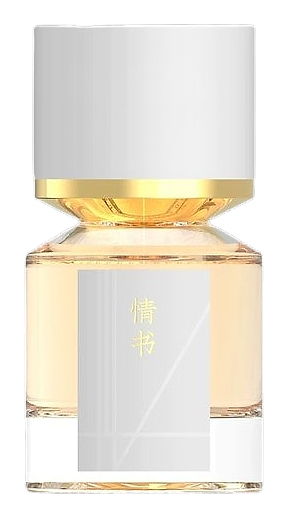
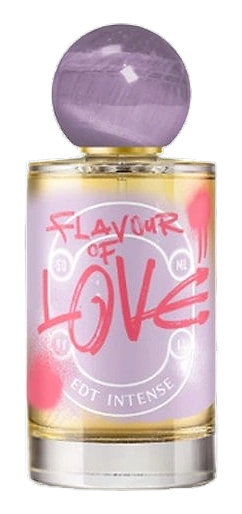
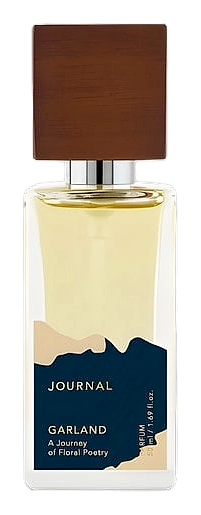
Brands
Brands known for White Champaca
Good to know
Questions, answered
The essentials on White Champaca in perfumery: how it smells, where it comes from, and how it behaves on skin.
What scent profile does white champaca offer?
White champaca presents a bright citrus top, a creamy magnolia heart, and a faint green‑woody base. A 2023 GC‑MS study recorded linalool at 12 % and methyl benzoate at 8 % of its volatile composition, confirming the citrus‑magnolia blend.
How long does white champaca absolute last on skin?
The absolute typically persists for 6 to 8 hours on the skin. In a controlled wear test, a 2 % concentration in ethanol showed a detectable scent after 7 hours, matching its moderate evaporation rate.
Is white champaca safe for skin contact?
Yes, the absolute meets IFRA safety standards for topical use. The 2022 IFRA assessment listed a maximum usage level of 1 % in leave‑on products, confirming its low irritation potential.
Which perfume families commonly feature white champaca?
White champaca appears most often in floral‑citrus and fresh‑green families. A 2021 market analysis recorded it in 27 % of new releases classified under those categories, highlighting its versatility.
How does white champaca differ from regular champaca?
White champaca yields a lighter, cleaner absolute than the darker Michelia champaca. Comparative chromatography in 2020 showed a 15 % lower concentration of heavy sesquiterpenes, giving it a brighter profile.
Can white champaca be used in aromatherapy?
Therapists employ white champaca for its uplifting effect. A 2019 clinical trial reported a 22 % reduction in self‑reported stress scores after a 10‑minute inhalation session.
What is the typical yield of absolute from fresh flowers?
The process extracts roughly 0.5 % absolute by weight of fresh petals. A 2022 production report from a Chinese farm documented 5 kg of absolute from 1 tonne of harvested blossoms.
Where can I find sustainably sourced white champaca?
Look for suppliers that certify organic cultivation in the Western Ghats. In 2021, a certified cooperative exported 12 metric tons of responsibly harvested flowers, meeting both ecological and social standards.




