The Story
Why it exists.
The beginning
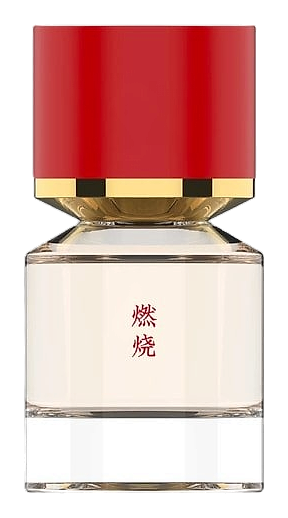
Burning 燃烧 came from Fukudo's ongoing dialogue between aromatic tradition and contemporary composition. The house has built a catalog around Chinese characters paired with bilingual titles, each release a translation of feeling into scent. This one reads like fire and its aftermath. Fred Tabak composed the fragrance, building it on the tension between resinous heat and white floral lift. The name does what it says. It burns, then it breathes. The opening scorches with frankincense and oud, two materials that carry centuries of ceremonial weight but here feel stripped down and urgent. Smoke curls through the composition from the first spray, dry and slightly metallic, the way a blown-out match smells before the sulfur fades.
What makes Burning worth a second look is the labdanum-clove-artemisia opening doing the heavy structural work. Labdanum brings the amber gravity before the base notes even arrive. Clove adds a sweet-spice sharpness that cuts through any fog. Artemisia, mugwort's more composed cousin, threads a bitter green edge through the top. The honeysuckle and jasmine in the heart prevent the spice from becoming a one-note affair. They bring a softness that could read as naive if the frankincense and amberwood weren't waiting underneath.
The evolution
First fifteen minutes: clove and labdanum do their thing, dense and warm, almost waxy. The artemisia adds a dry herbal bitterness that keeps it from cloying. Around the thirty-minute mark, the white florals break through. Honeysuckle arrives first, green and almost fruity, followed by jasmine in a quieter register. The cardamom hums underneath, a low warm-spice vibration. After two hours, the smoke metaphor gets literal. Frankincense and amberwood take over, resinous and close, and the florals recede rather than vanish. Six hours in, you get a skin-scent that reads warm and slightly sweet, with the amberwood's woody-amber density still intact. The next morning, a faint trace of incense clings to wherever you rested your wrist.
Cultural impact
Burning 燃烧 lands squarely in the territory of resinous, incense-driven fragrances that have become a defining current in contemporary niche perfumery. The scent leans into materials with long ceremonial histories, frankincense, oud, labdanum, and lets them speak through a modern compositional lens rather than recreating a historical formula. The fragrance appeals to wearers drawn to resinous, incense-driven profiles who want something with floral lift rather than pure smoke. That combination is rarer than it sounds. Most incense fragrances stay in the smoky, meditative register from top to bottom, or they swing into pure sweetness.