The Story
Why it exists.
The beginning
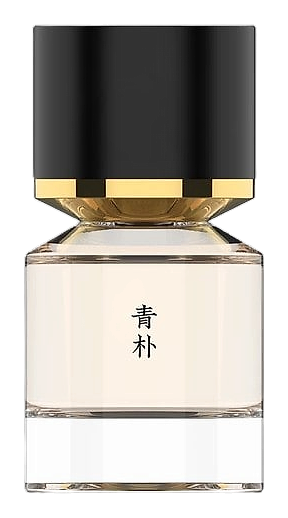
The name Chimphu carries its meaning in Chinese, 青朴, a pairing that suggests unadorned greenness and simplicity. Fukudo 浮香堂, a Chinese fragrance house, brought Julien Rasquinet in to compose the piece, and his response was something less opulent than the name alone might promise. A composition that smells less like incense being sold and more like incense already burning somewhere far away, in a building you happened to walk past. The opening carries an immediate herbal clarity, almost like crushed green stems held up to the light, with a faint metallic coolness running underneath that gives the whole thing a slightly austere quality. From there it moves through a procession of dry, woody elements that never quite resolve into anything sweet or obviously comforting.
What makes Chimphu unusual is the way it builds around Tibetan incense as a structural anchor rather than as a decorative top note. Rasquinet layers artemisia into the composition as a serious herbal element, something bitter-green and slightly camphorated that reads more like a field than a garden. The heart holds spikenard in the form of Nard Himalayan, that dense, rooty, almost muddy sweetness which has a centuries-deep presence in ritual and devotional contexts across the Himalayan region.
The evolution
The first hour is the coldest. Grass and artemisia cut through, almost medicinal, like stepping off a mountain trail into a stone courtyard where someone has been burning something for hours. The Tibetan incense arrives not as a sweet cloud but as a thin, mineral ribbon, threading between the green notes rather than dominating them, barely a whisper at first and then something closer to a sustained exhalation. By the second hour, moss and spikenard settle in, and the composition warms up. Not sweet warm, just warmer. The herbal sharpness softens into something that smells like damp earth after rain, roots showing through soil in a way that feels more like archaeology than perfumery. The jatamansi in particular does something strange here, shifting from its initial rooty sharpness into a richer, almost fermented sweetness that reads like old wood soaked in something dark.
Cultural impact
Chimphu stands out within Fukudo's catalog as one of the more austere pieces in a lineup that already tends toward restraint. Its approach, working with raw herbal and mineral materials rather than the more familiar sweet or fruity architecture of much contemporary niche perfumery, gives it a character that reads less like a commercial release and more like a personal statement from the perfumer.