Tibetan Incense
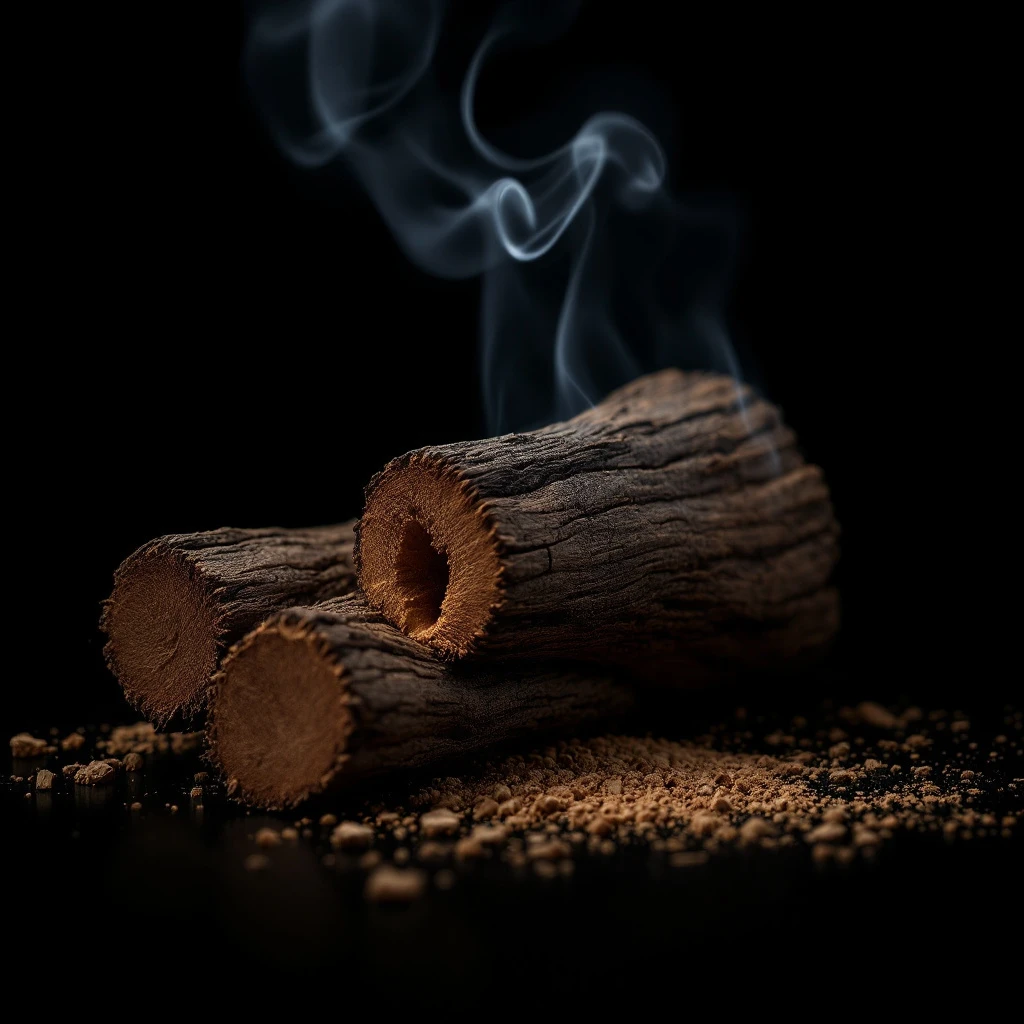
Tibetan incense carries the soul of the Himalayas. Crafted from natural resins, herbs, and aromatic woods for over 1,300 years in the high-altitude monasteries of Tibet, this sacred smoke bridges the physical and spiritual worlds with every burning thread.
Character
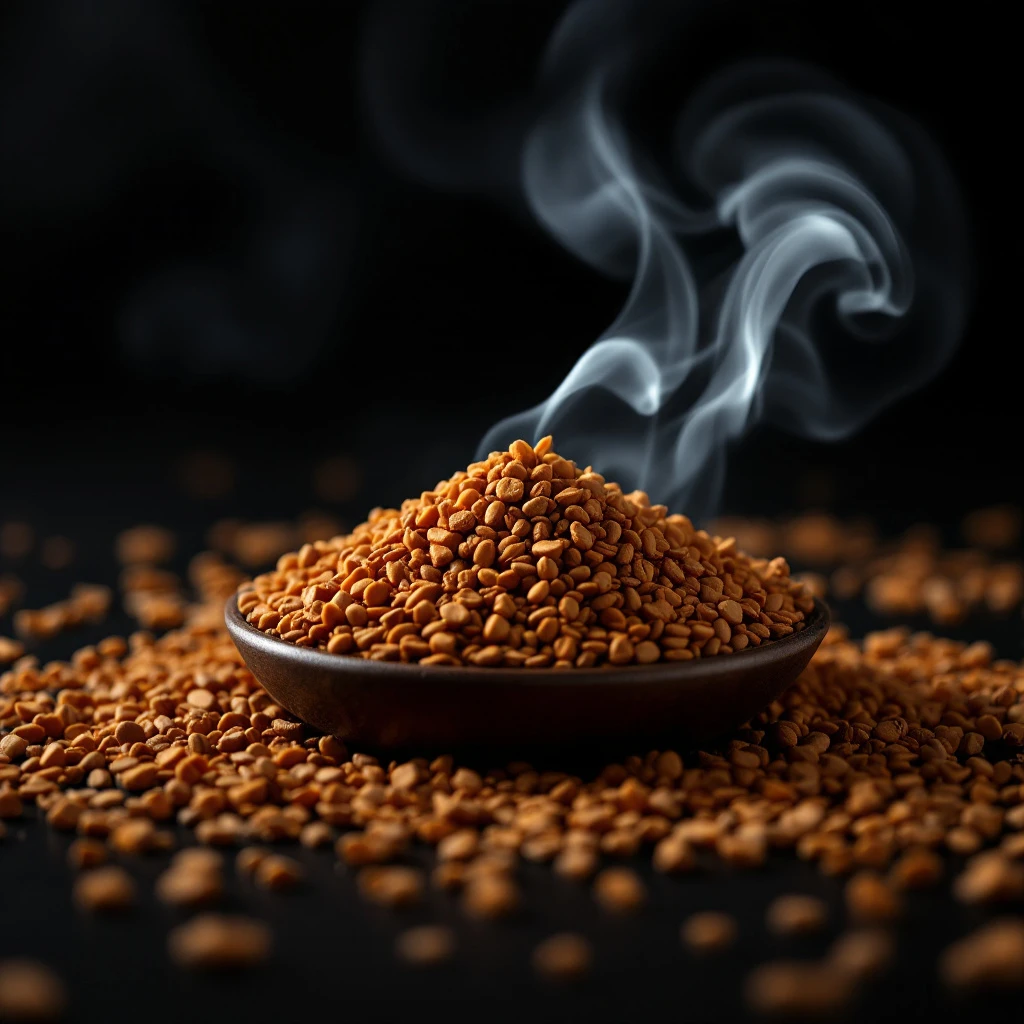
How it smells
Sacred smoke from the roof of the world.
Tibetan incense makers traditionally choose ingredients based on their symbolic meanings, not just their scent, making each stick a moving prayer.


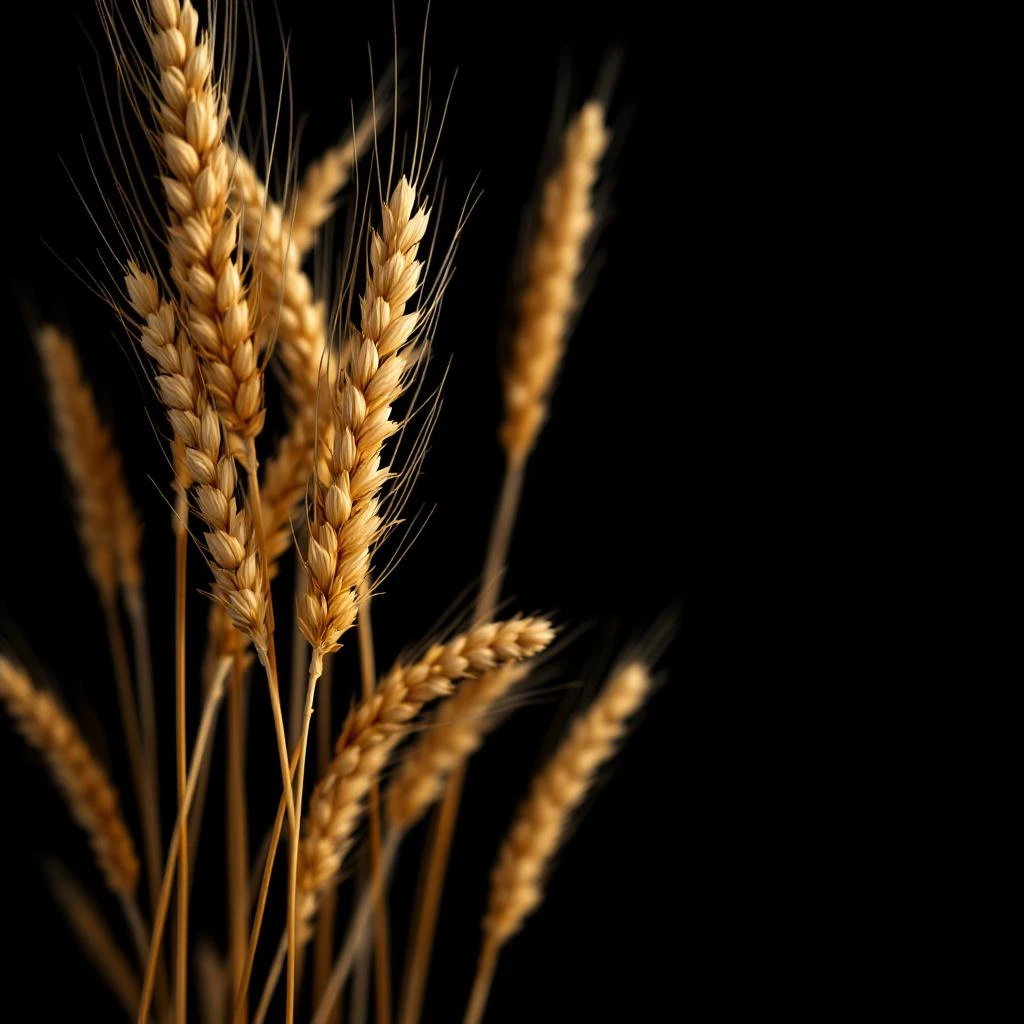
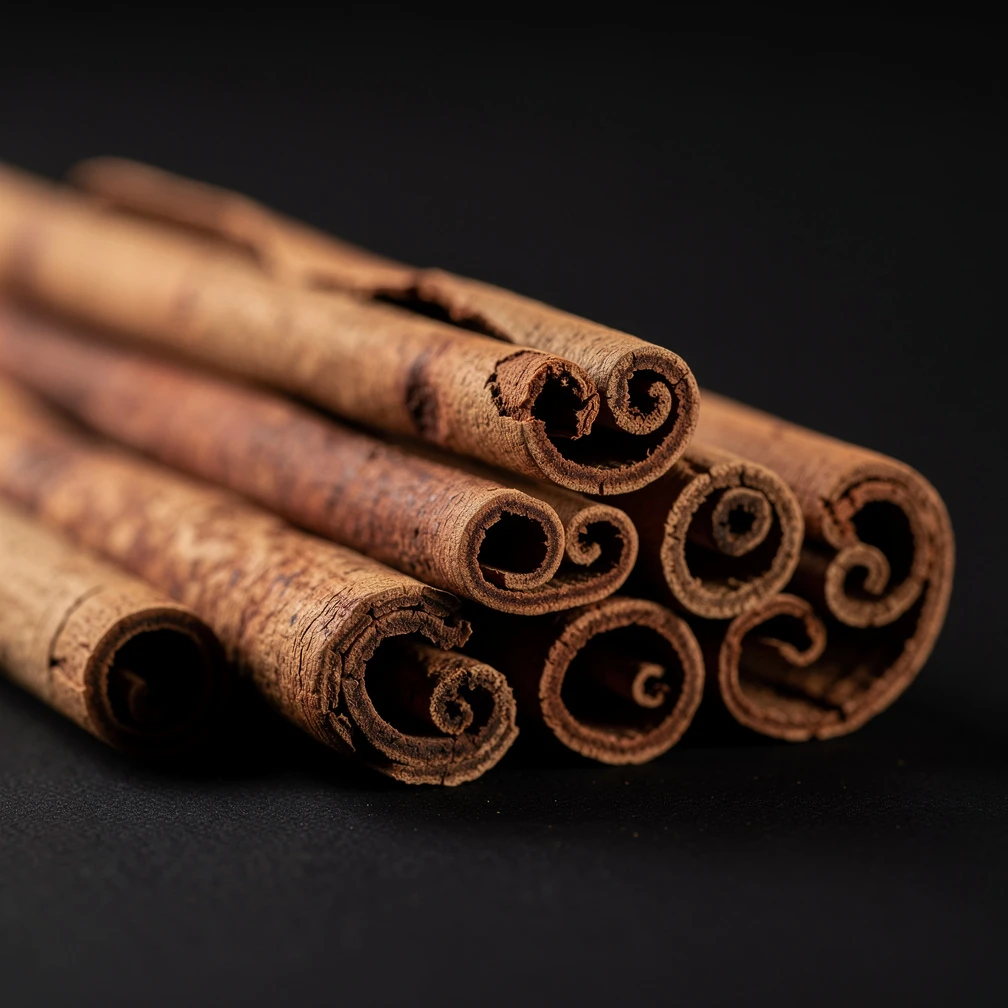
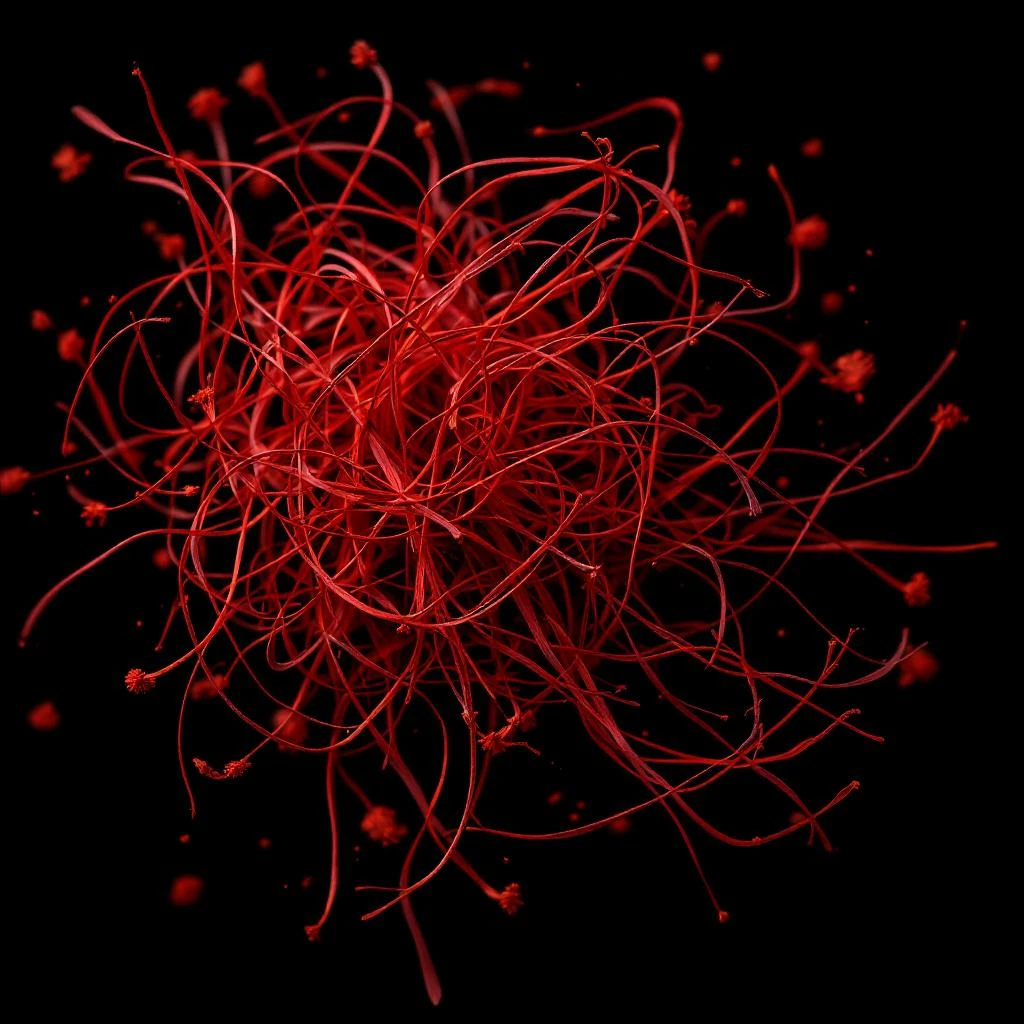
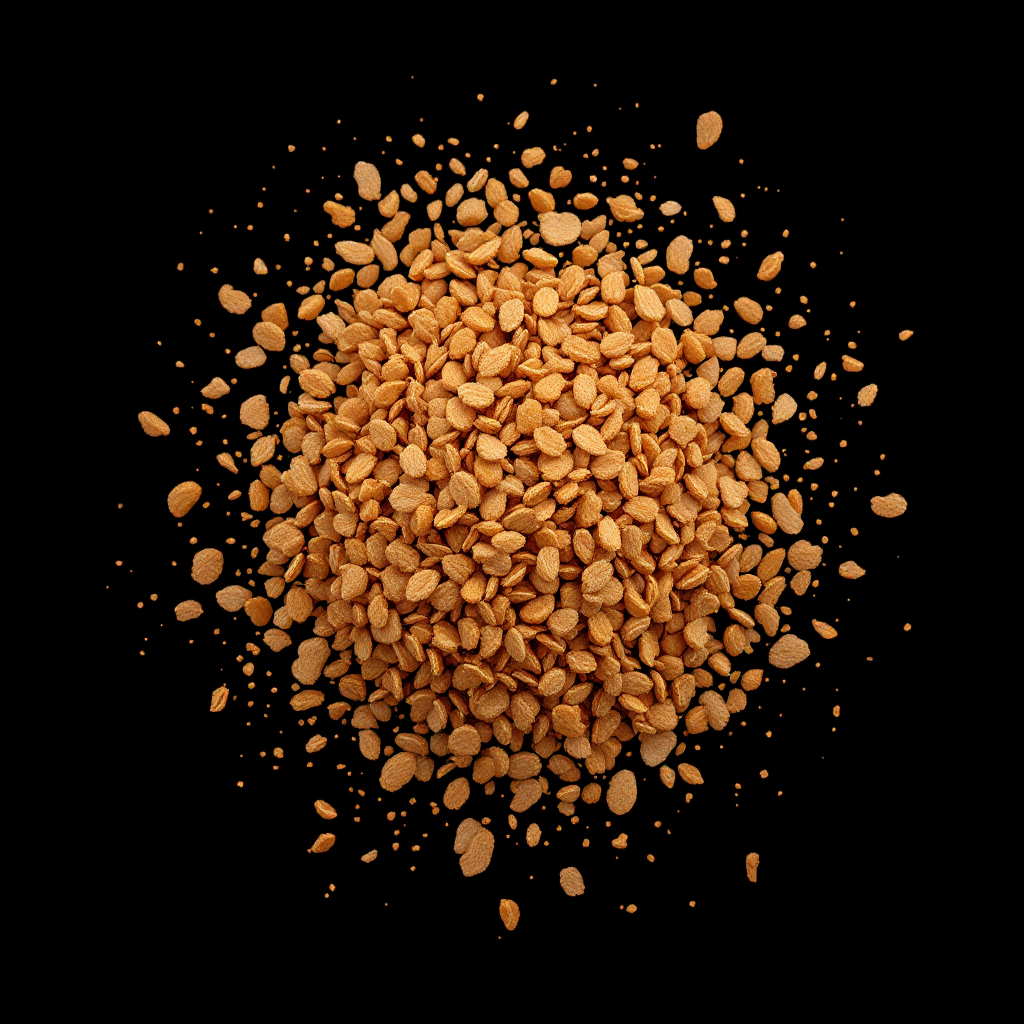
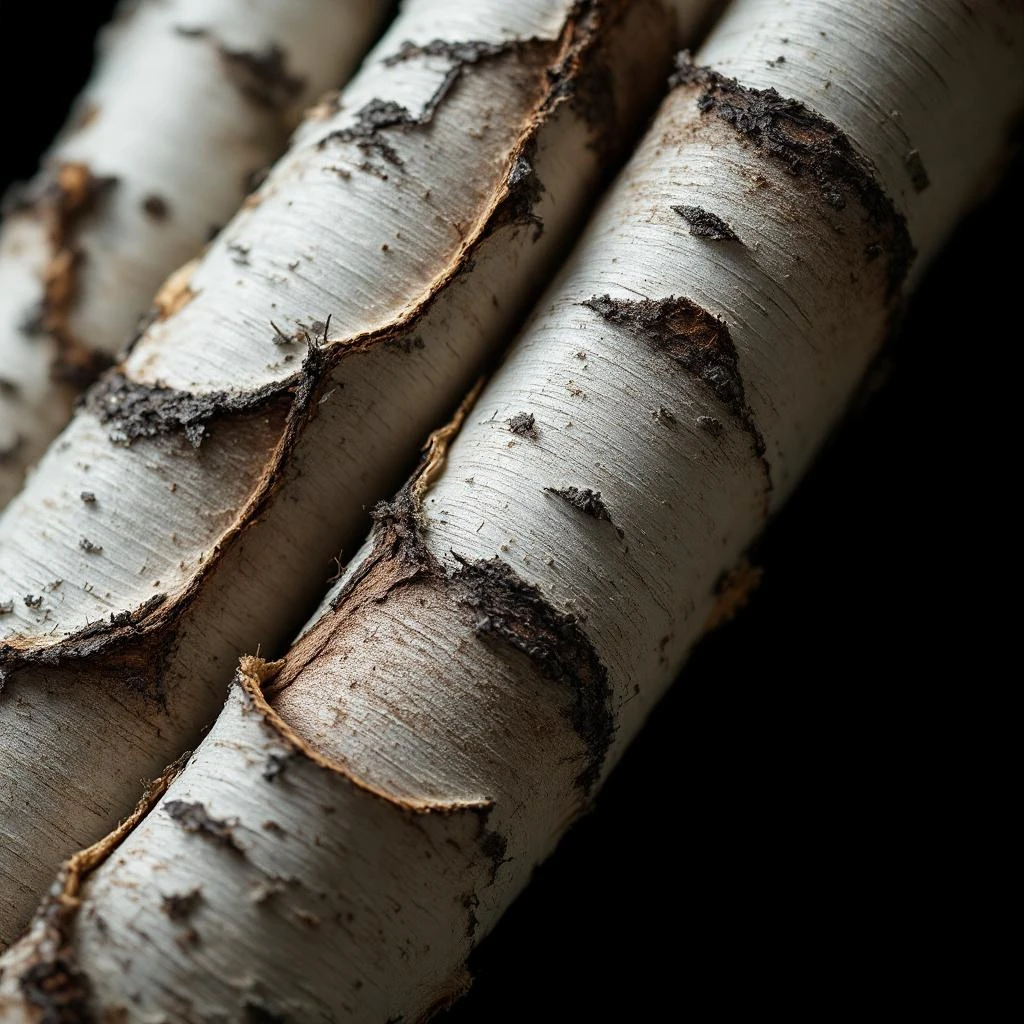
Origin
China (Tibet)
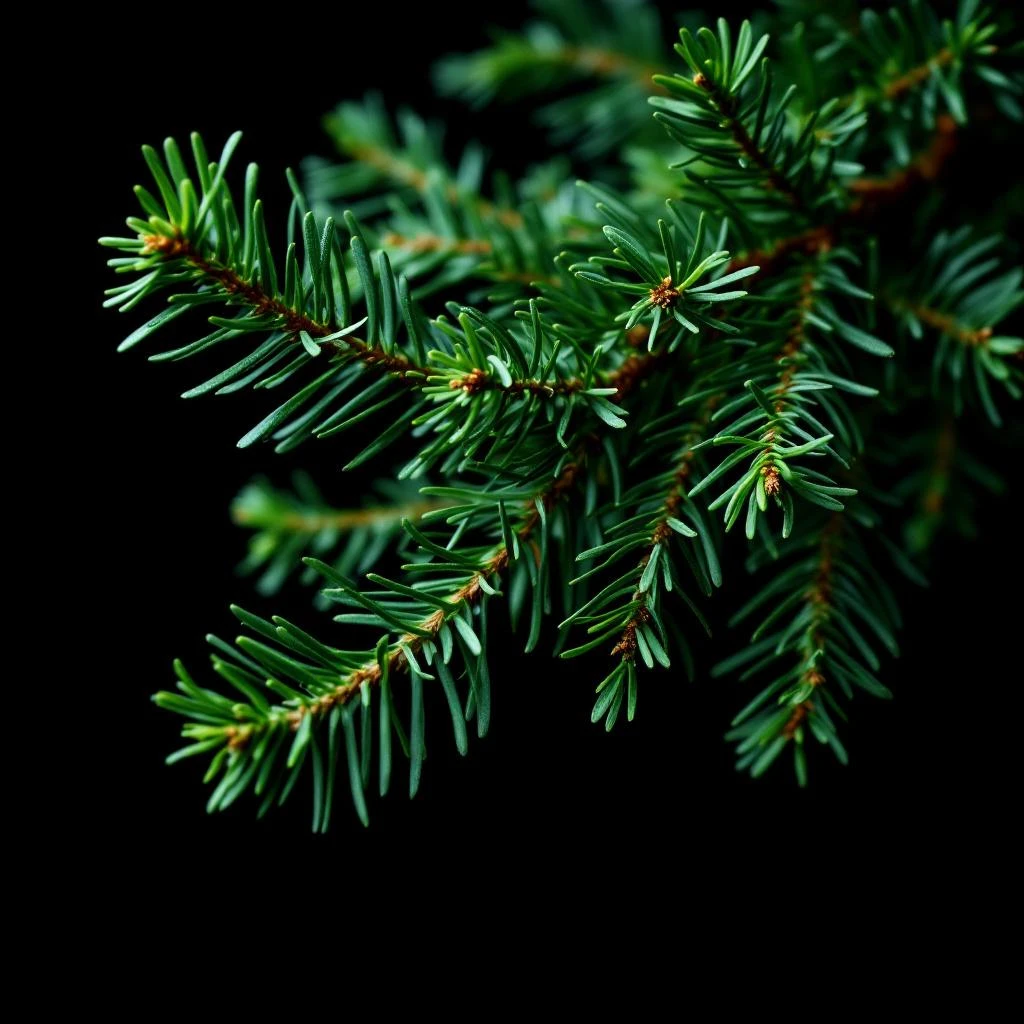
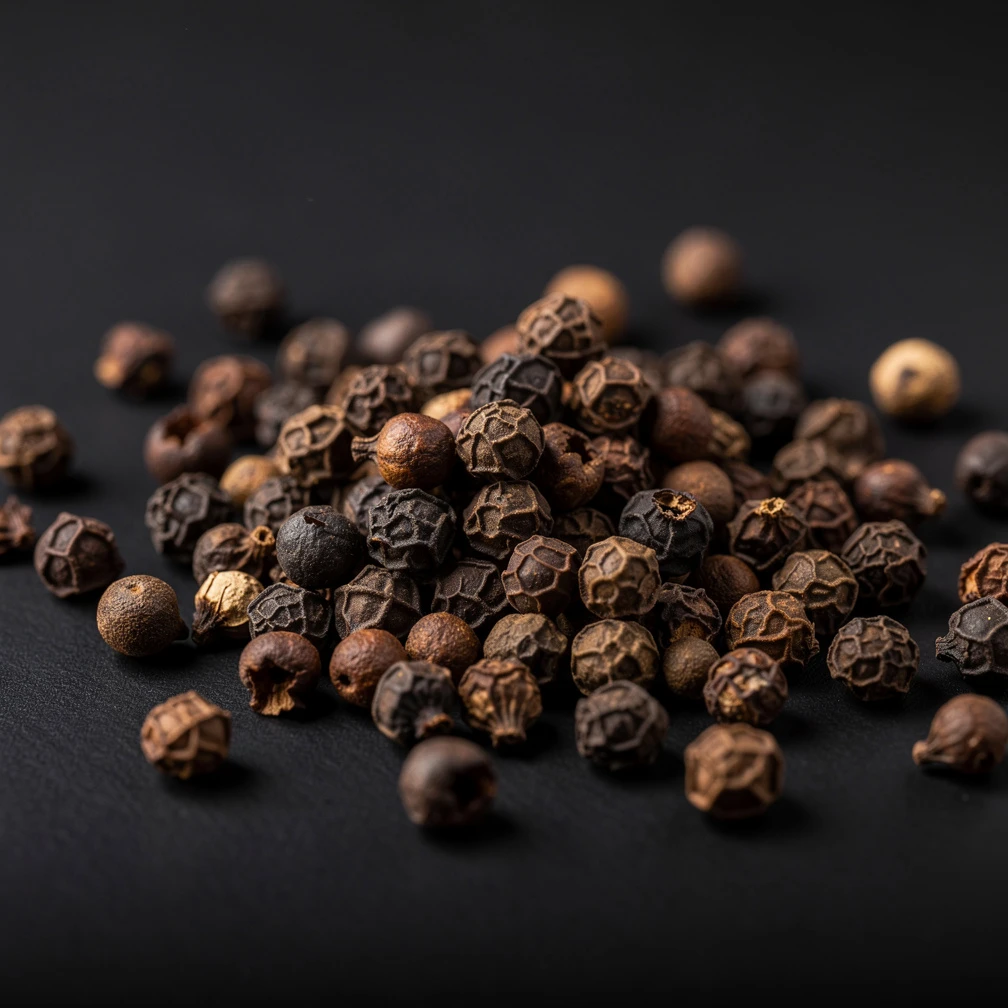
Tibetan incense traces its origins to the 7th century, when Buddhist monks first blended local herbs, aromatic woods, and resins for meditation practice. The cold, thin air of the high plateau created ideal conditions for drying and storing these natural materials, and monastery workshops became centers for incense craft.
Monks developed recipes where each ingredient carried meaning beyond its scent, creating blends meant to support spiritual concentration during long hours of practice. Over 1,300 years, these temple traditions evolved into the Tibetan incense recognized today, with formulations centered on agarwood, sandalwood, and native herbs.
The craft spread along Himalayan trade routes, absorbing regional ingredients while maintaining its spiritual purpose. In perfumery, this heritage appears as a warm, smoky note that evokes mountain monasteries and ancient ritual.
Wears it best
Fragrances featuring Tibetan Incense
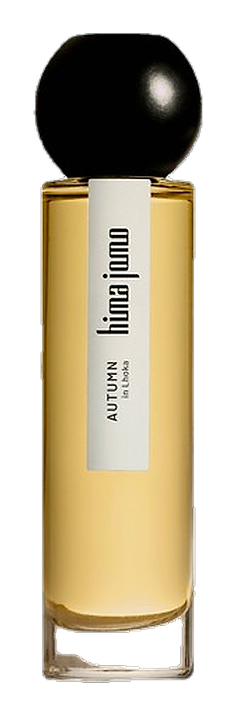
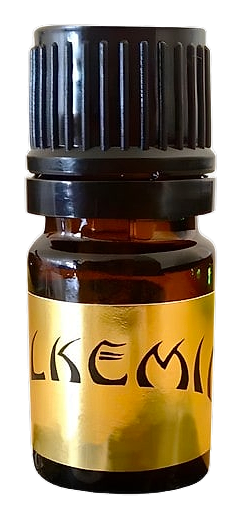
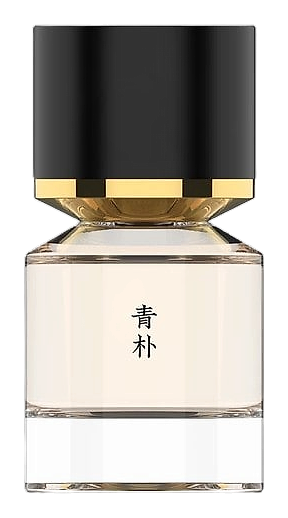
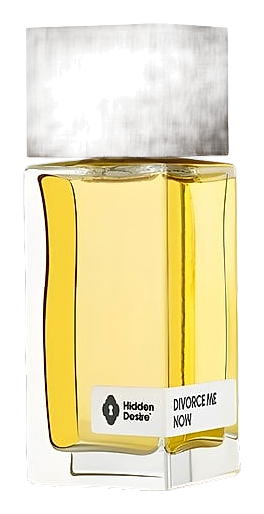
Brands
Brands known for Tibetan Incense
Good to know
Questions, answered
The essentials on Tibetan Incense in perfumery: how it smells, where it comes from, and how it behaves on skin.
What is Tibetan incense in perfumery?
Tibetan incense in perfumery describes a warm, smoky aromatic profile derived from Himalayan ingredients like agarwood and sandalwood. Perfumers use extracts from traditional Tibetan incense materials to capture that monastic, high-altitude smoke character.
What does Tibetan incense smell like?
Tibetan incense smells sweet and smoky, with resinous depth from agarwood, creamy warmth from sandalwood, and herbaceous undertones. The high-altitude ingredients give it an airy, clean quality despite the smoke.
How old is the Tibetan incense tradition?
The Tibetan incense making tradition spans more than 1,300 years, with origins in 7th century Buddhist monastery workshops where monks first blended local aromatic materials for spiritual practice.
Is Tibetan incense made with natural ingredients?
Traditional Tibetan incense uses natural ingredients only, combining powdered herbs, resins, and aromatic woods without synthetic fragrance compounds. Monks selected each ingredient for both its scent and symbolic meaning.
What ingredients make up Tibetan incense?
Tibetan incense typically combines agarwood, sandalwood, and native Himalayan herbs. Each blend reflects the maker's tradition, with resinous woods providing the base and aromatic herbs adding complexity.
How do perfumers obtain the scent of Tibetan incense?
Perfumers extract aromatic compounds from Tibetan incense ingredients through steam distillation or solvent extraction. The resulting materials capture the characteristic smoky, resinous profile for use in fragrance composition.
Where does Tibetan incense originate?
Tibetan incense originates from the Himalayan plateau region, with production centered in monastery workshops where the craft developed over centuries among Buddhist practitioners.
Why is Tibetan incense significant in fragrance?
Tibetan incense adds spiritual depth and cultural resonance to fragrances. Its 1,300-year heritage and natural, smoke-forward character bring meditative quality to oriental and woody fragrance constructions.