The Story
Why it exists.
The beginning
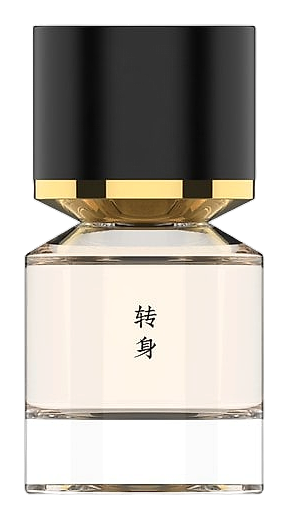
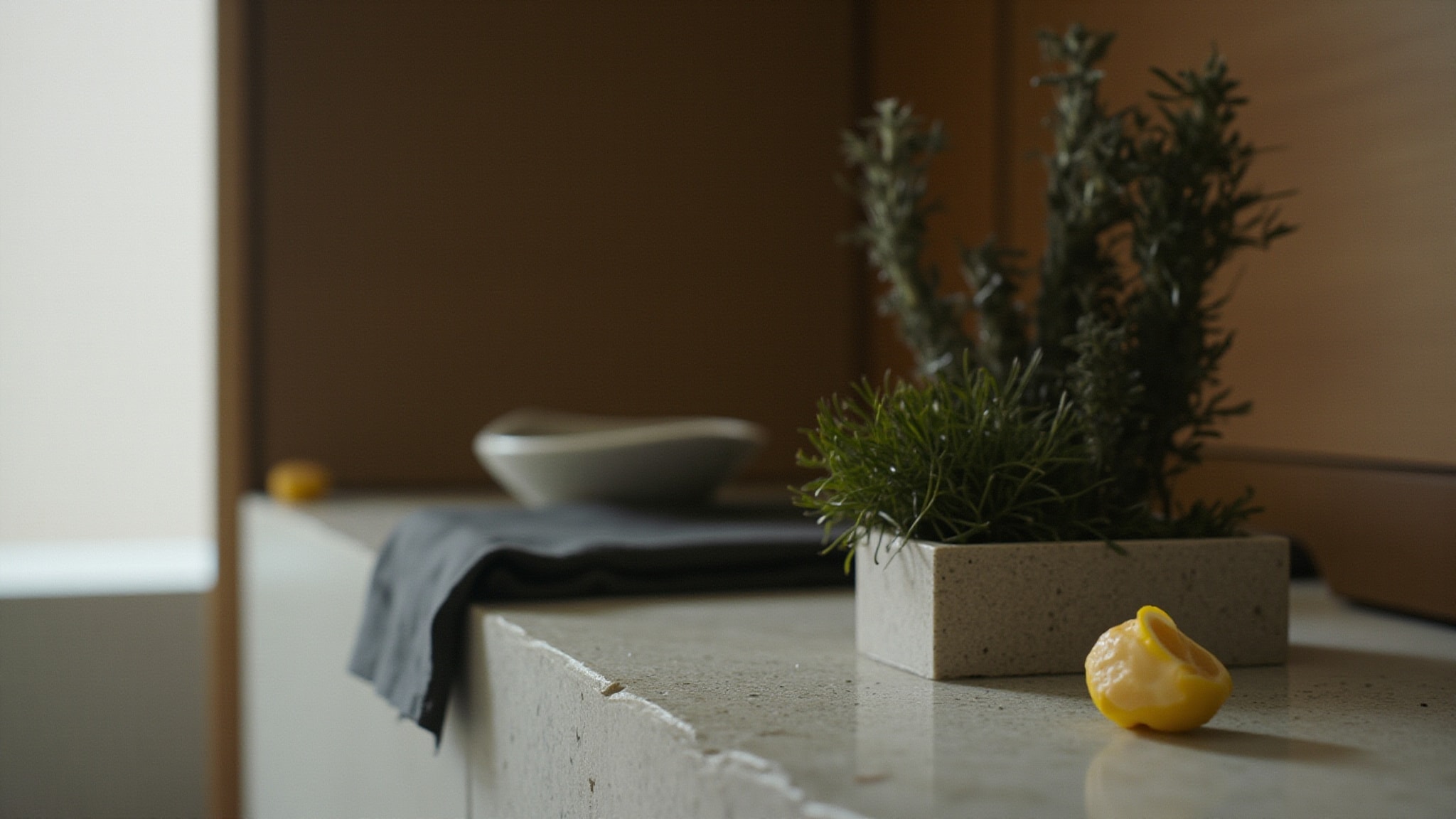
Furimuku 转身 is built around a change of direction. The name, 转身, means turning around, and the composition follows that idea through movement between wet stone, Japanese yuzu, hinoki wood, mugwort, mossy woods, and vetiver. No perfumer is credited in the available research, and no specific inspiration beyond that turning sensation is documented. What can be said clearly is the effect: a bright, mineral start gives way to green wood and a soft floral impression before settling into a grounded base. The result feels less like a fixed place than a change in weather, where the air clears and the scent follows you quietly.
The unusual part is the meeting point. Yuzu brings a sharp citrus edge, while hinoki and mugwort make the center herbal and green. Those notes could easily become rustic or overly herbal, but the soft floral and mossy character keeps the composition in a more tactile register. The base brings fir, cedarwood, and vetiver into focus, giving the scent a smooth, earthy finish instead of a sharply medicinal one. It is a fragrance built around contrast: citrus brightness against wet-looking woods, with each phase changing the emotional temperature.
The evolution
The opening feels clean and brisk, with Japanese yuzu creating a polished flash over a damp, mineral impression. Soon, the citrus edge softens as hinoki wood and mugwort take over. That middle phase is greener and more herbal, but the soft floral accord keeps it from feeling severe. As the scent settles, balsam fir and cedarwood create a smooth woody trail, while vetiver brings a quiet earthy finish. The sequence can feel like moving from a bright street into shade, then onto a forest floor after rain. It remains a moderate 4-6 hour scent, lingering close enough to invite another breath without becoming a loud signature.
Cultural impact
Furimuku fits Fukudo's stated position of contemporary East Asian intellectual consciousness, where Chinese literary and cultural registers meet modern composition. Its unisex profile and shift from bright citrus to mossy woods suit wearers who prefer quiet, contemplative scents over loud novelty. The fragrance connects a contemporary idea of personal space with materials associated with Japanese and regional Asian aromatic traditions, placing it within the house's broader East Asian lens rather than presenting those materials as exotic decoration.