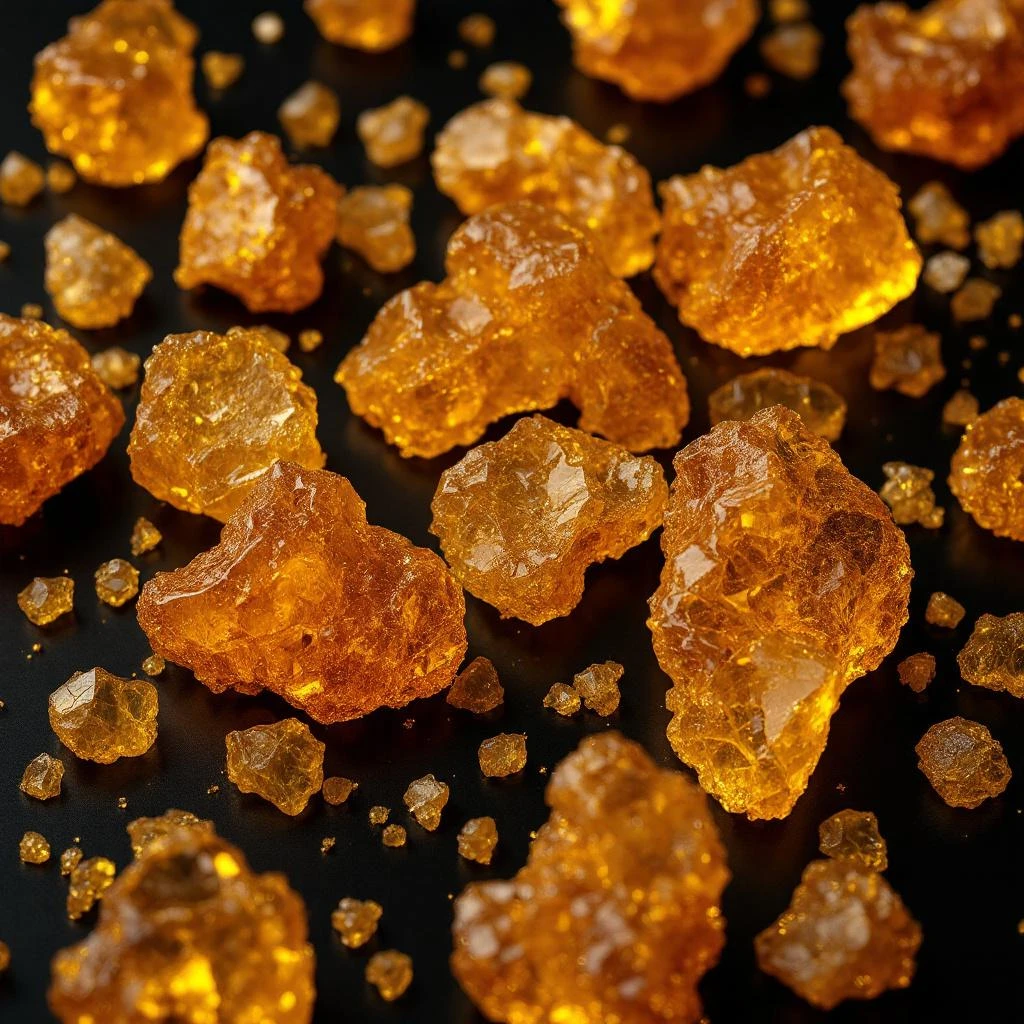
White Frankincense
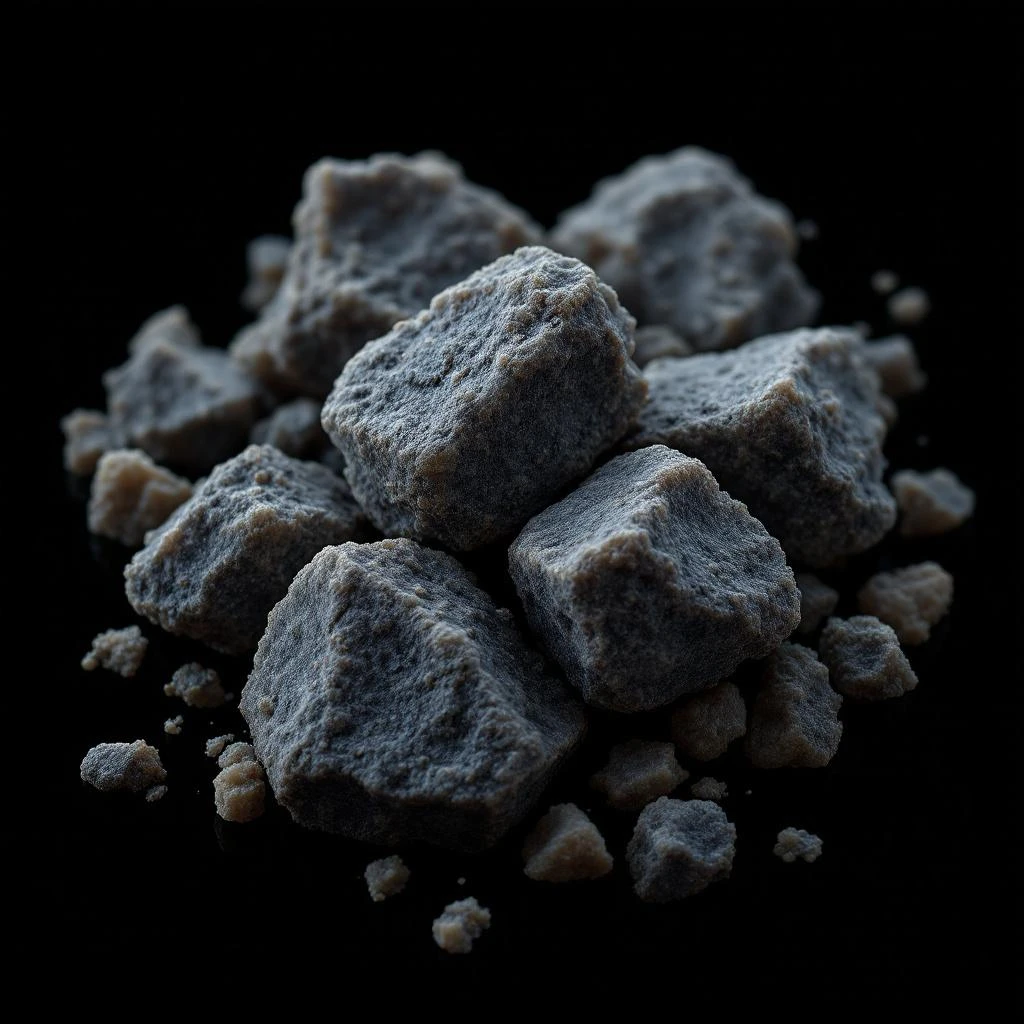
White frankincense carries the ancient resonance of sacred smoke. Crisp, balsamic, and unmistakably spiritual, this aromatic resin has perfumed sacred spaces for millennia.
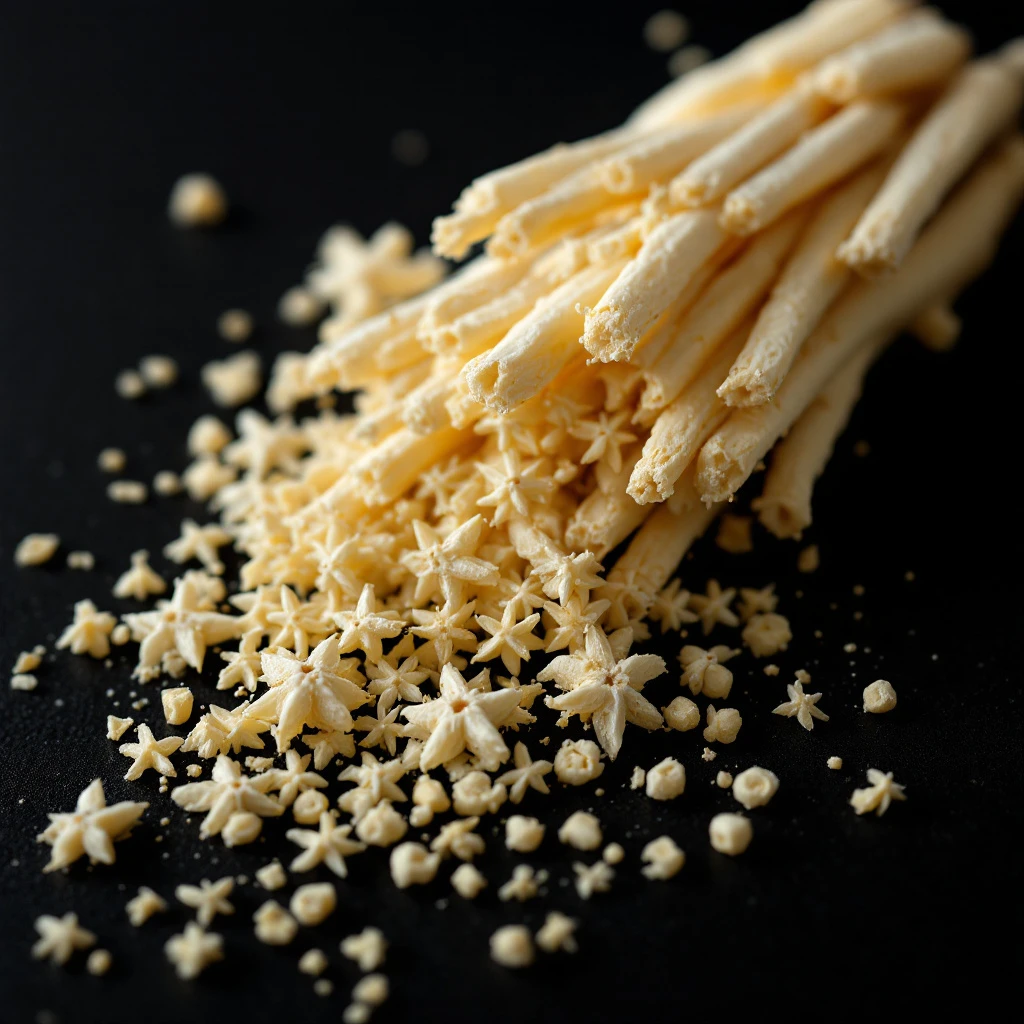
Character
How it smells
The smoke that shaped civilizations.
Frankincense once rivaled gold in value. Arabian merchants grew wealthy beyond measure trading this resin along the Incense Route.




Origin
Oman
Frankincense shaped human history in ways few ingredients can claim. Archaeological evidence places its use in ancient Egypt by 3000 BCE, where priests burned it in religious ceremonies and used it in cosmetics and embalming. The resin traveled from its source in Oman and Yemen along the legendary Incense Route, a network of trade paths that connected Arabia to the Mediterranean world.
Merchants carried frankincense alongside myrrh on camelback, trading it for goods that included spices, silk, and precious metals. Roman historian Pliny the Elder recorded that Arabian merchants grew wealthy from frankincense alone, as Europeans had no access to the trees that produced it. The ancient Greeks used it in their temples and referenced it in texts describing the wealth of Arabia.
In Christian tradition, frankincense appears as one of the three gifts presented to the infant Jesus, a detail that elevated its cultural status across two millennia. Islamic tradition also holds frankincense in high regard, with the Prophet Muhammad reportedly praising its use. Today, Oman remains the primary source of the world's finest frankincense, with the trees that produce it growing only in specific arid mountain regions that stretch along the southern Arabian coast.
Wears it best
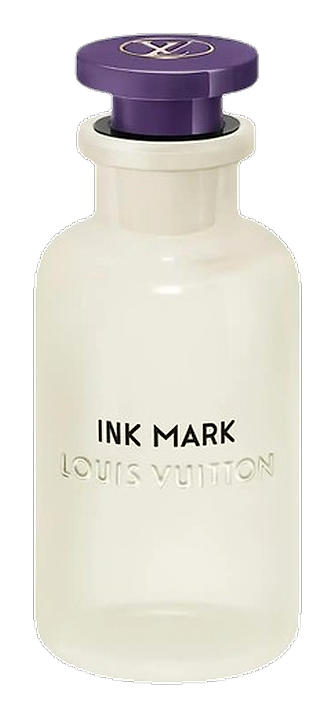
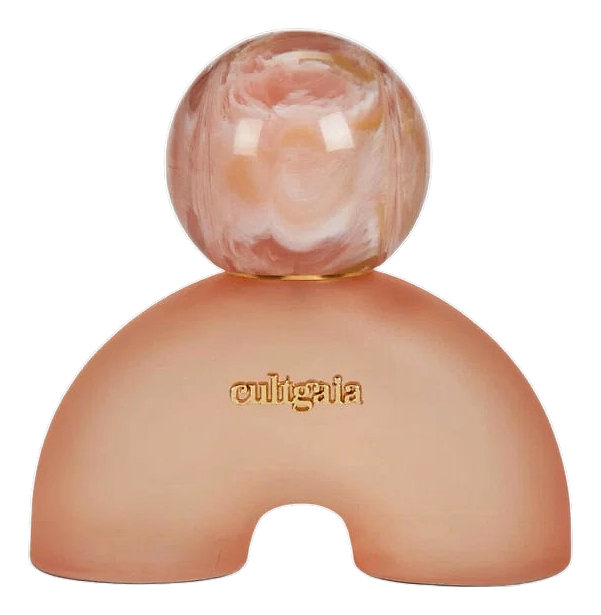
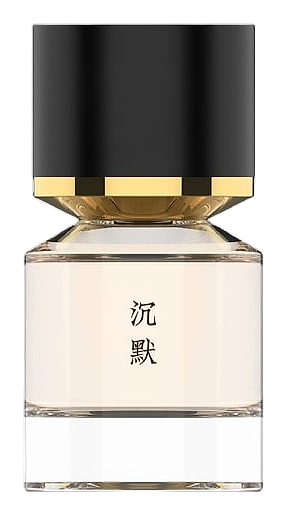
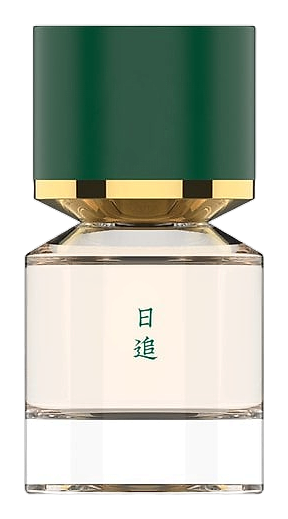
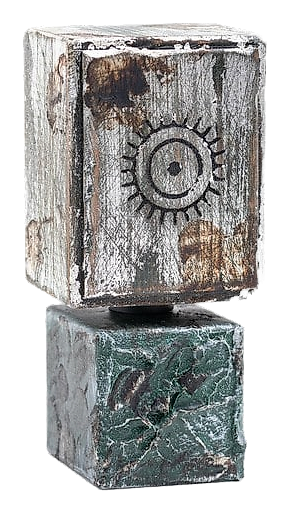
Fragrances featuring White Frankincense
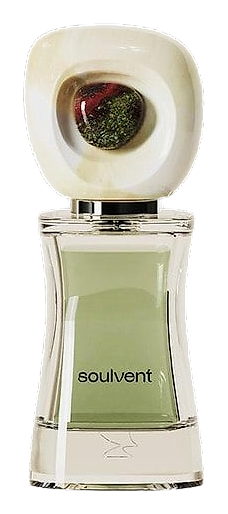
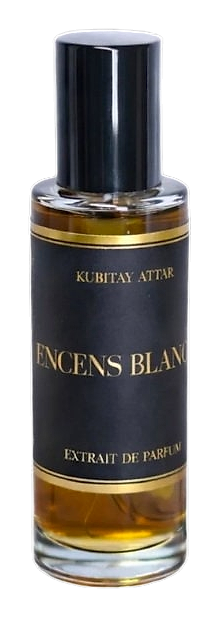
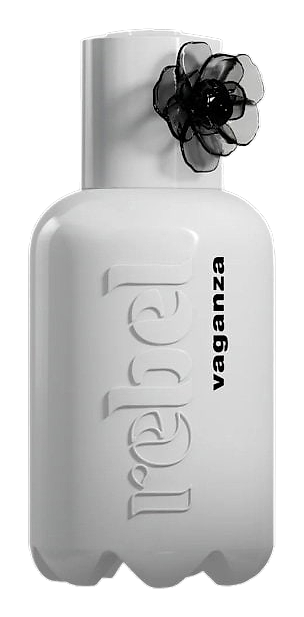
Brands
Brands known for White Frankincense
Good to know
Questions, answered
The essentials on White Frankincense in perfumery: how it smells, where it comes from, and how it behaves on skin.
What does white frankincense smell like?
White frankincense offers a clean, balsamic scent with subtle citrus and pine notes. It reads as fresh, slightly sweet, and resinous with an almost meditative quality that distinguishes it from darker resin varieties.
Where does white frankincense originate?
The finest white frankincense comes from Oman, particularly the Dhofar region along the southern coast. This arid, mountainous terrain produces Boswellia sacra trees that yield resin with the lightest color and most delicate aromatic profile.
How is white frankincense harvested?
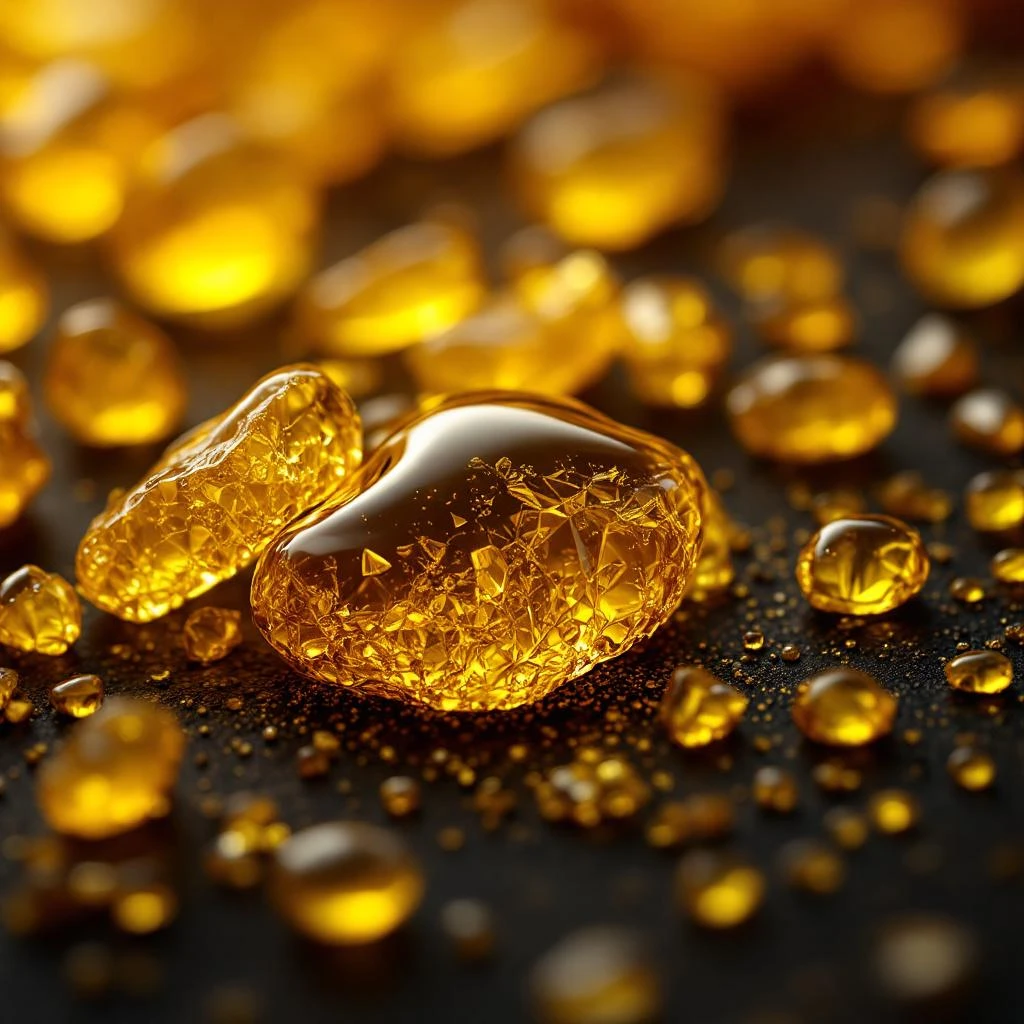
Harvesters cut shallow incisions into Boswellia tree bark during the harvest season. The trees weep a milky resin that solidifies over weeks into tear-shaped granules. Workers collect these by hand, selecting lighter-colored pieces for white frankincense.
What makes white frankincense different from regular frankincense?
White frankincense refers specifically to lighter-colored resin grades, often from Boswellia sacra trees in Oman. The lighter color indicates a cleaner, more delicate aromatic profile with brighter citrus and less smoky depth.
Is white frankincense ethically sourced?
Sustainable white frankincense requires careful harvesting practices. Trees need recovery time between taps, and overharvesting can damage populations. Reputable suppliers work directly with harvesting communities to ensure responsible sourcing.
Can white frankincense be used in skincare?
White frankincense essential oil appears in skincare formulations for its anti-inflammatory properties. Research published in the Journal of Ethnopharmacology documented antioxidant activity in Boswellia extracts, though skin compatibility varies.
What cultures used white frankincense historically?
Egyptians used frankincense by 3000 BCE for religious ceremonies and cosmetics. Greeks, Romans, and later Christian and Islamic traditions all incorporated frankincense into sacred practices. Its trade shaped economies across the ancient Mediterranean.
How should white frankincense resin be stored?
Store white frankincense resin in a cool, dark place in an airtight container. Properly stored, it retains its aromatic properties for several years. Heat and light accelerate degradation of its volatile aromatic compounds.