Pine wood
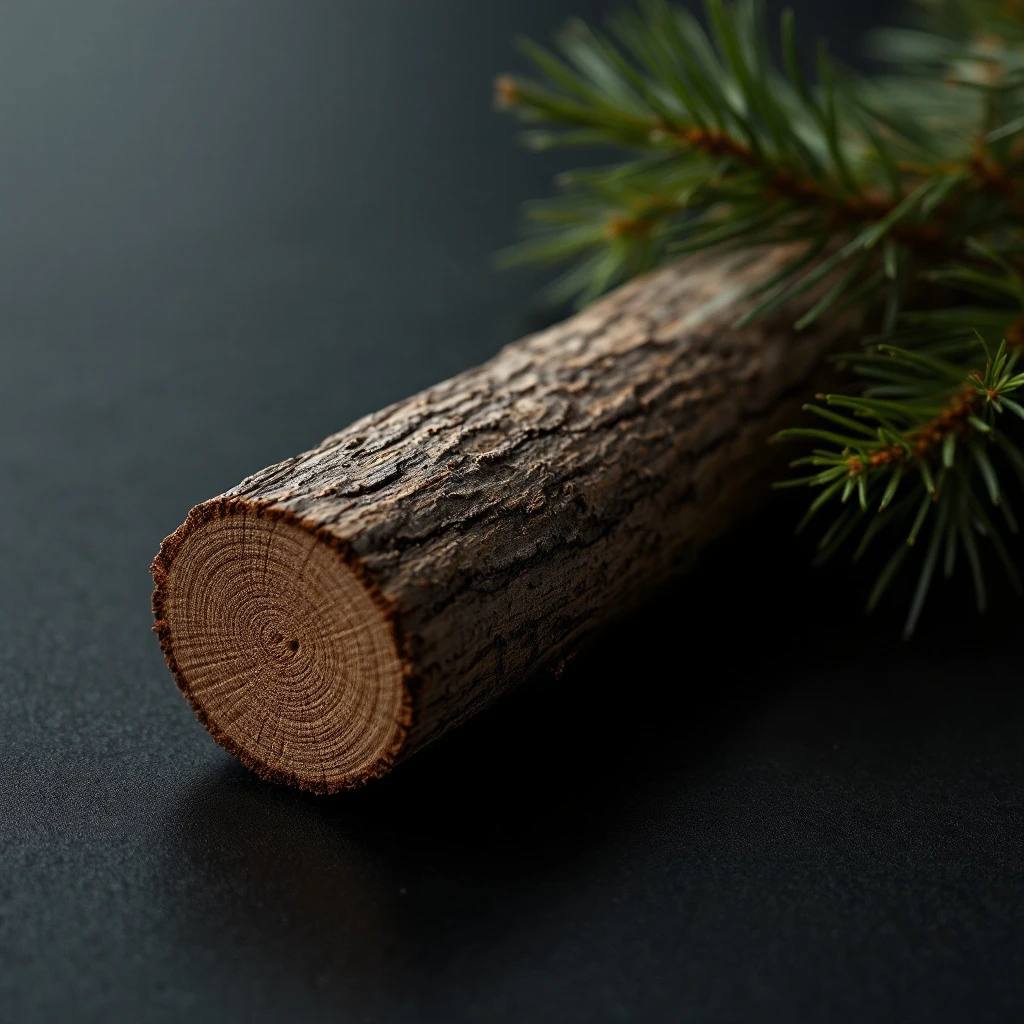
Pine wood brings the crisp clarity of evergreen forests into fragrance — a note that captures cold air, resin, and ancient forests. One of perfumery's most recognizable natural ingredients, it grounds compositions with its distinctive fresh-woody character.
Character
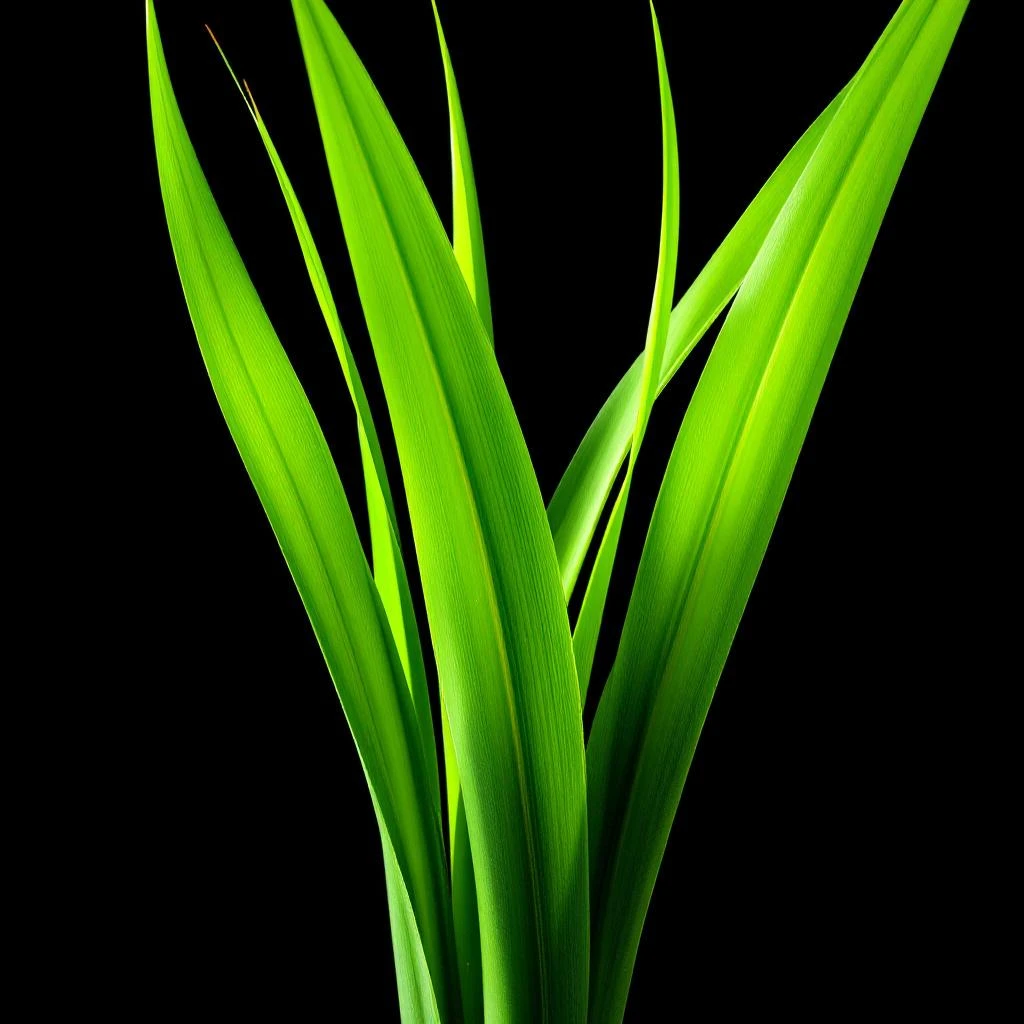
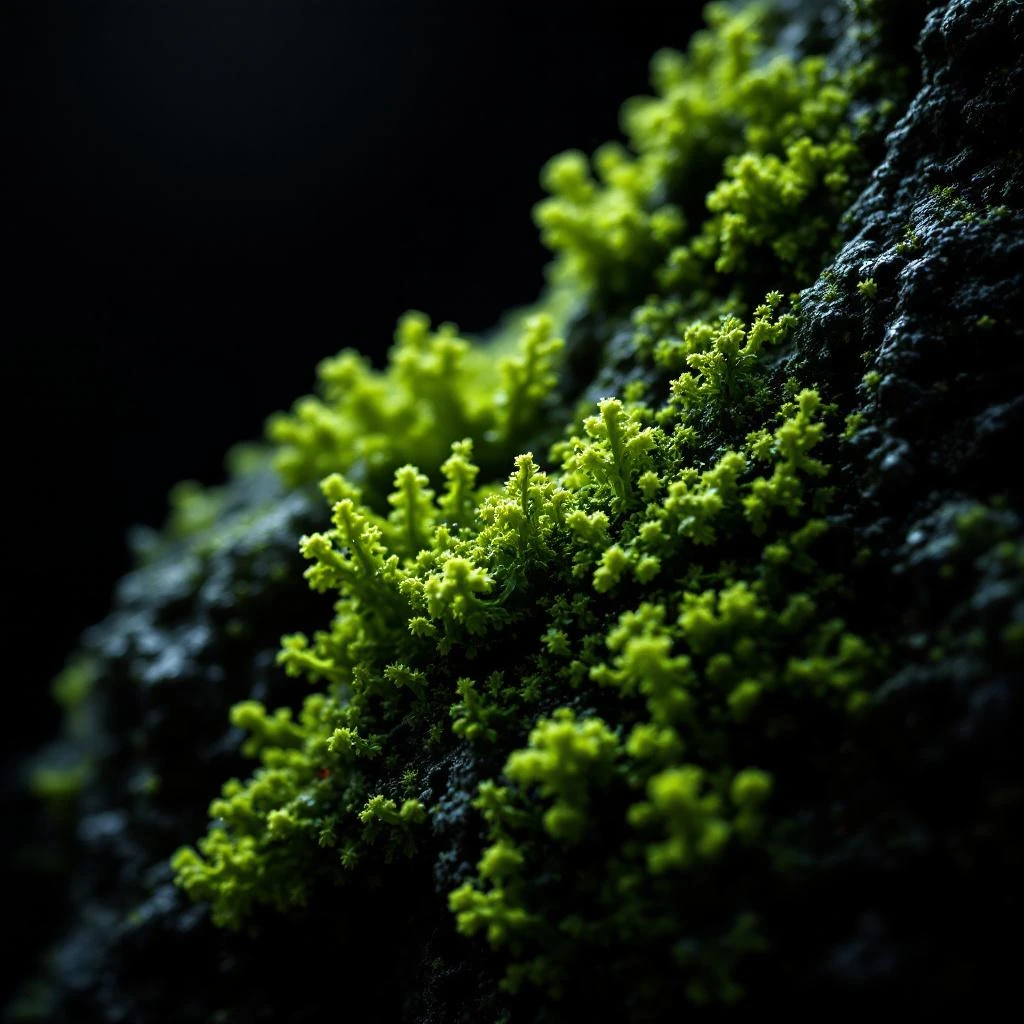
How it smells
The fresh-woody soul of evergreen forests.
Pine pitch resin acts as a natural fixative, slowing the evaporation of lighter fragrance materials and extending their presence on the skin.



Origin
Scotland / Scandinavia
Ancient Mesopotamian and Egyptian cultures used pine resin in sacred rituals and medicinal preparations thousands of years before perfumery became a structured craft. The Egyptians prized coniferous resins as embalming materials and burning incense; Mesopotamians incorporated pine pitch into their earliest aromatic preparations. Greek physicians documented pine's medicinal properties extensively — Hippocrates recommended pine preparations for respiratory ailments, a tradition that influenced Roman and medieval European herbal medicine.
Alpine communities developed resin-tapping techniques that spread across continental Europe, creating regional economies around pine harvest. In Scandinavia, bundled pine boughs served practical and ceremonial purposes during winter festivals long before appearing in fragrance. The commercial synthesis of isolated aroma compounds in the late 19th century created space for natural materials like pine to occupy distinct roles in perfumery — not as foundational notes requiring replication, but as recognizable aromatic signatures.
Today, pine endures as a signature winter and outdoor note in masculine and Unisex compositions, prized for its immediate recognizability and the authentic forest character it lends to fragrance architecture.
Wears it best
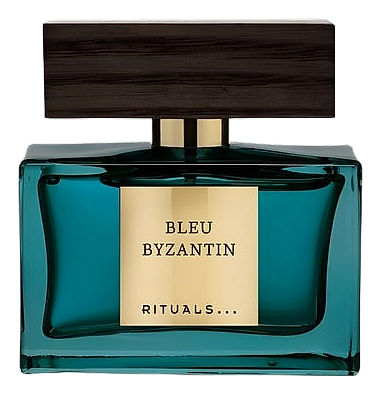
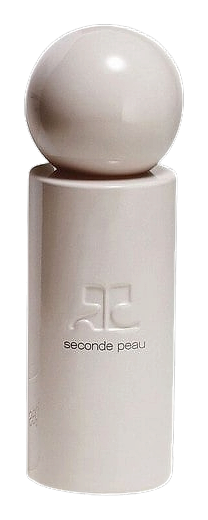
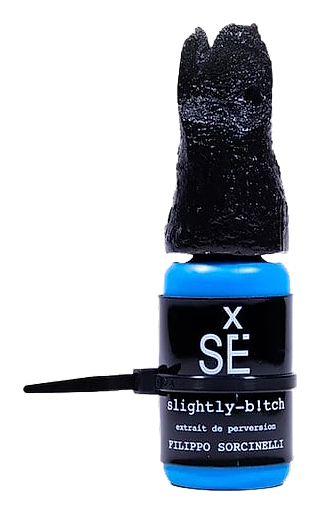
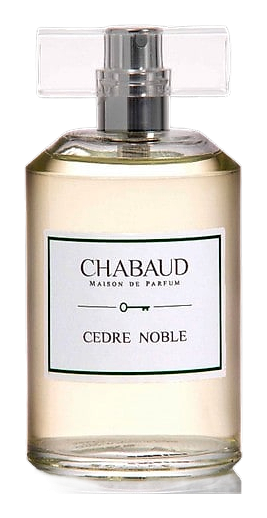
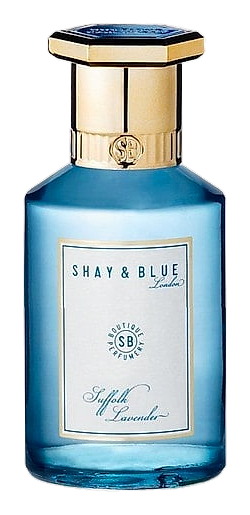
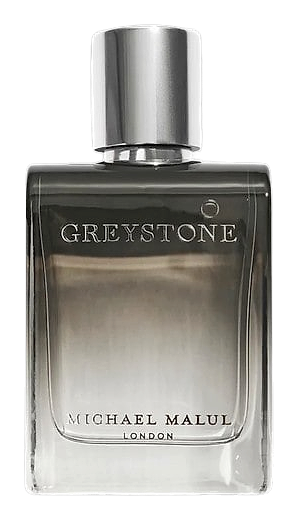
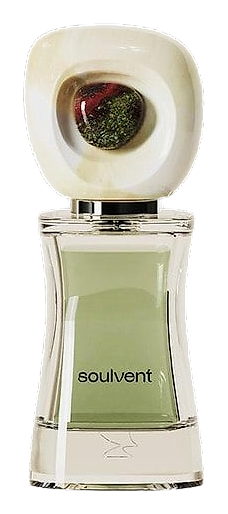
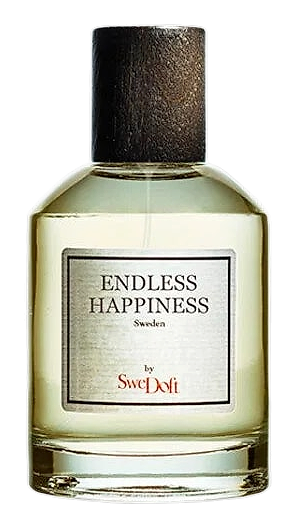
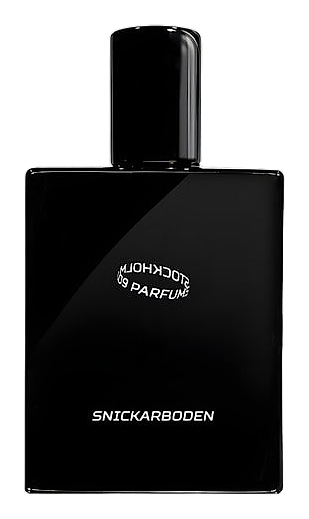
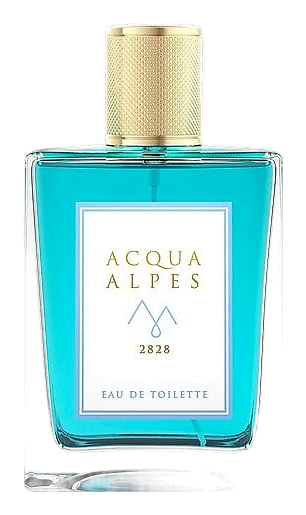
Fragrances featuring Pine wood

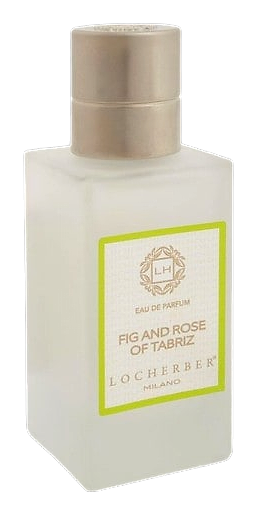
Brands
Brands known for Pine wood
Good to know
Questions, answered
The essentials on Pine wood in perfumery: how it smells, where it comes from, and how it behaves on skin.
What does pine wood smell like in perfume?
Pine wood smells fresh, resinous, and woody with a sharp, clean character. Its scent profile combines bright terpenic top notes with deeper balsamic undertones, evoking the crisp, aromatic quality of a coniferous forest in cold air.
How is pine wood extracted for perfumery?
Pine needle and twig essential oil is produced via steam distillation. Resin — the source of pitch and turpentine materials — is collected by tapping live trees, making controlled incisions in the bark. Crude sulfate turpentine, a by-product of wood pulping, is also refined for fragrance use.
What is the difference between pine oil and pine tar in perfumery?
Pine oil, from steam-distilled needles and twigs, is fresh and bright. Pine tar, produced through destructive distillation of wood, is darker, smokier, and more medicinal. Pitch absolute occupies a middle ground — rich, balsamic, and slightly smoky, with natural fixative properties.
Does pine wood have fixative properties?
Yes. Pine pitch and turpentine resin contain non-volatile compounds that slow the evaporation of lighter fragrance materials. Perfumers use pitch-derived materials as natural fixatives, extending a fragrance's longevity on skin.
Which fragrance families use pine wood most prominently?
Pine appears primarily in woody, fougère, and aromatic fragrance families. It reads clearly in masculine and Unisex winter or outdoor-themed compositions — especially those styled as forest, mountain, or coniferous chypres.
Is pine wood a natural or synthetic ingredient?
Natural pine wood materials are sourced directly from pine trees (primarily Pinus sylvestris) via steam distillation or resin tapping. Synthetic pine-smelling aroma compounds — derived from terpenes in industrial turpentine — also exist as cost-effective alternatives or supplements.
Where does pine wood used in perfumery come from?
Europe is the primary source region. Pinus sylvestris grows natively across Scotland, Scandinavia, and Russia. France, Austria, and the Iberian Peninsula contribute additional pine species including Pinus pinaster and Pinus mugo.
How long has pine been used in perfumery?
Pine resin has been used since ancient Mesopotamian and Egyptian cultures — over 4,000 years. It transitioned from ritual incense and medicinal preparations to a recognized perfumery ingredient as the industry took structured form in the 19th century.