The Story
Why it exists.
The beginning
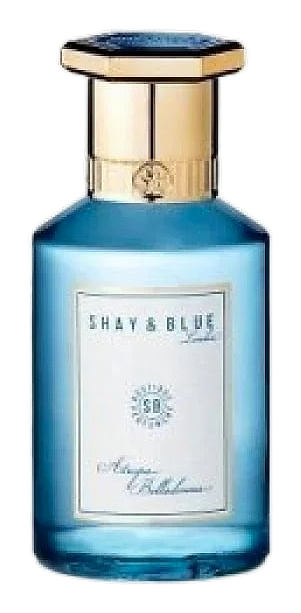
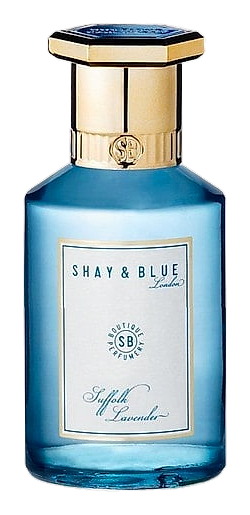
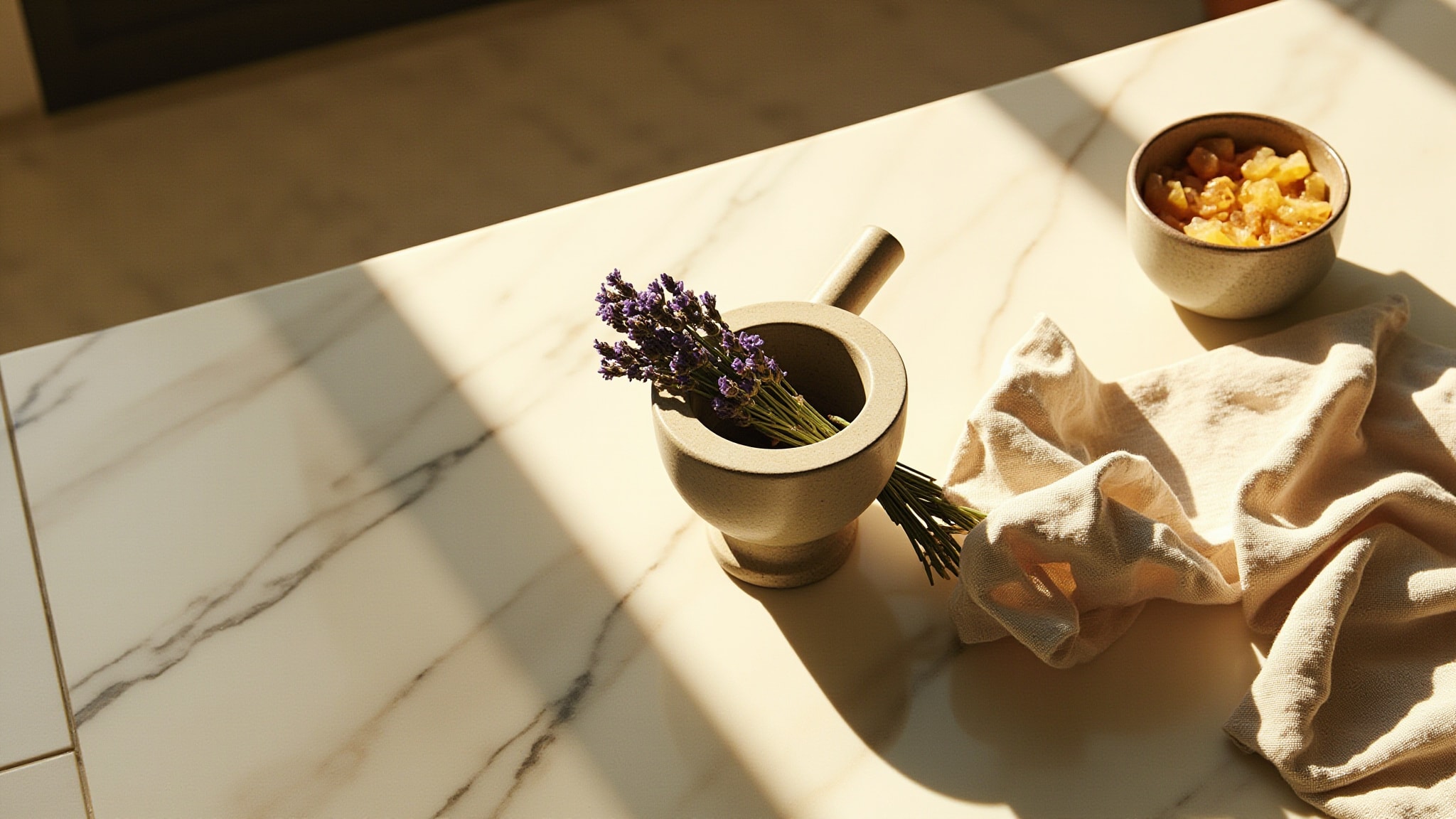
Julie Massé designed Suffolk Lavender in 2013 with a clear intention: take the iconic English countryside note, the one that lives in sachets and soap, and ask what would happen if it stayed raw, if it kept its mentholated bite and herbal depth, but was backed by something unexpected. Suffolk, in East Anglia, is famous for its lavender fields. Massé didn't want a field in a bottle. She wanted the idea of it, pushed further.
What makes this composition unusual is the frankincense-melon pairing in the heart. Melon isn't a typical partner for aromatic fragrances, it usually signals freshness in lighter, aquatic compositions. Here, it introduces a unexpected sweetness, a watery freshness that keeps the incense from becoming heavy. Together, they give the composition a modern, contemporary character. This isn't lavender that leans masculine or feminine. It's lavender that sidesteps the usual associations entirely.
The evolution
The opening announces itself with a mentholated coolness, crushed lavender stems, the kind that make your sinuses wake up. That intensity doesn't soften into something gentle. Instead, the heart arrives like incense smoke threading through a kitchen window. The frankincense brings its smoky, sacred weight, but the melon adds something odd: a sweetness, a watery freshness that seems to contradict the smoke before it settles into the composition. By the late hours, the drydown settles close to the skin. White musk and dry pine wood, with the pine lending a subtle tar-like depth that evokes woodsmoke without being literal about it. The sillage stays moderate. It never announces itself, but anyone standing close will catch it. The longevity holds through most of a workday. And there's something about the way it settles into the evening, subtle, present, still carrying that dry pine and musk the next morning.
Cultural impact
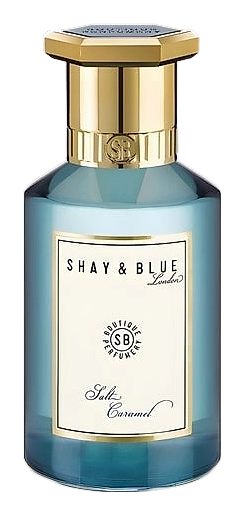
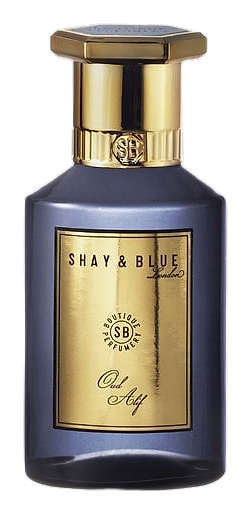
Suffolk Lavender arrived at a moment when the UK fragrance scene was reexamining its herbal and aromatic heritage. Shay & Blue London, founded in 2009, positioned this 2013 release as part of a broader movement reconnecting British perfumery with its horticultural roots. The frankincense-melon-lavender triad proved unexpected, moving beyond simple aromatic freshness into something more complex. While not a commercial blockbuster, the fragrance carved space for unconventional compositions in the British market, demonstrating that lavender could anchor oriental-leaning constructions rather than remaining confined to fougère traditions. Its continued presence in the Shay & Blue catalog speaks to lasting appeal.