
The Story
Why it exists.
The beginning
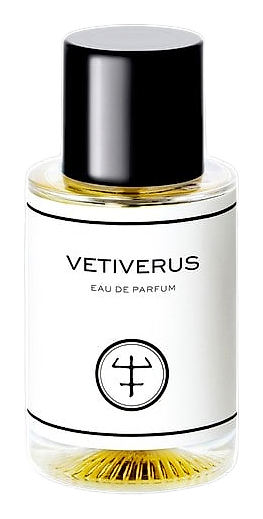
Oliver Valverde created Vetiverus in 2012 with a single obsession: vetiver and osmanthus, two intense naturals with completely different profiles. Vetiver brings its dry, earthy, root-like quality, carrying woody undertones that evoke dried earth and deep, dark soil. Osmanthus brings apricot-sweetness, almost honeyed, from a flower so rare it's rarely used in perfumery. The two ingredients occupy the same space but speak different dialects, one grounding, the other lifting. Valverde worked within the Illustrated Series approach, letting the ingredients lead, without narrative or preconception, exploring what happened when two strong materials had to share the stage. The result feels inevitable in retrospect, though the path there was anything but simple.
What makes Vetiverus unusual is how the osmanthus doesn't soften vetiver, it mirrors it. Osmanthus absolute carries its own apricot-honey sweetness, a heady scent that reveals notes of dried apricots, and when it arrives in the composition it creates a doubling effect with the earthier base. The warm spices, cloves and coriander, thread through the composition, adding aromatic complexity without becoming the loudest voice in the room. Leather and patchouli ground it further, giving the fragrance a dry, dusty quality that settles close to skin.
The evolution
The opening is vetiver's dry, earthy depth amplified by bitter orange and leather. It hits firm. Spicy, almost sharp from the cloves, with coriander adding a subtle lift to the composition. The osmanthus appears within minutes, honeyed and soft against the dry opening, like a warm sweetness arriving late to a conversation already in progress. By mid-drydown, the notes have settled into something cohesive, warm spice, earthy depth, and that apricot sweetness coexisting without one drowning the others. The final phase strips it down: vetiver and musk, leather fading to a skin-close whisper. The projection drops. What remains is warm vetiver, quiet and intimate, still detectable hours later if you press your wrist to your nose.
Cultural impact
Vetiverus found its audience among niche fragrance enthusiasts who track down independent houses, people who measure a fragrance by what it does differently rather than by brand recognition. The vetiver-osmanthus pairing remains uncommon enough that it attracts curiosity from those encountering it for the first time. It appeals to wearers looking for something that prioritizes depth and complexity over immediate accessibility, a scent that rewards attention and patience rather than announcing itself loudly.