
The Story
Why it exists.
The beginning
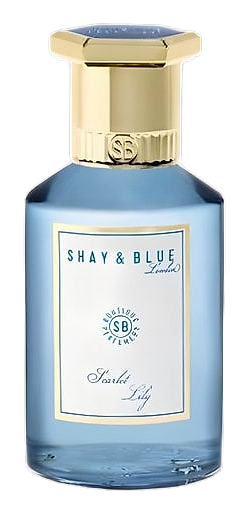
Scarlet Lily was conceived as an answer to a simple question: what would a 21st century floral look like? Not a polite lily-of-the-valley gesture, but something full-figured and unapologetic. Perfumer Julie Massé built it around the Ariadne lily, a scarlet bloom with presence, and let ylang ylang do the warm, slightly animalic work. Amber grounds it all. The result: a floral that arrives knowing exactly what it is.
What makes Scarlet Lily interesting is the tension at its core. Water lily, aquatic, cool, opens the composition. But the heart is where the work happens: Ariadne lily, a scarlet bloom with weight, paired with ylang ylang's warm, tropical sweetness. Neither backs down. Amber at the base isn't just a finish, it's what prevents the whole thing from floating away.
The evolution
The opening can be polarizing. Water lily reads clean and bright on some skin, still water, lotus petals, morning calm. On other skin, it registers as almost soapy. Within the first hour, though, the effect settles. What's left is the Ariadne lily, a full, voluptuous bloom that arrives without announcement but stays without apology. Ylang ylang adds warmth and tropical sweetness. Amber anchors rather than shouts. By hour three or four, you're wearing lily and warmth. Six to eight hours on most skin.
Cultural impact
The floral fragrance market tends toward two poles: delicate and retiring, or aggressive and synthetic. Scarlet Lily sits elsewhere, voluptuous and confident, but grounded in natural materials. It's the kind of fragrance that attracts people who've been wearing perfume for a while and want something that feels earned rather than obvious.