Asian Lily
Sweet, green, and impossibly pure. Asian Lily brings a dewy morning freshness that transforms fragrance heart notes into something you want to keep breathing in.
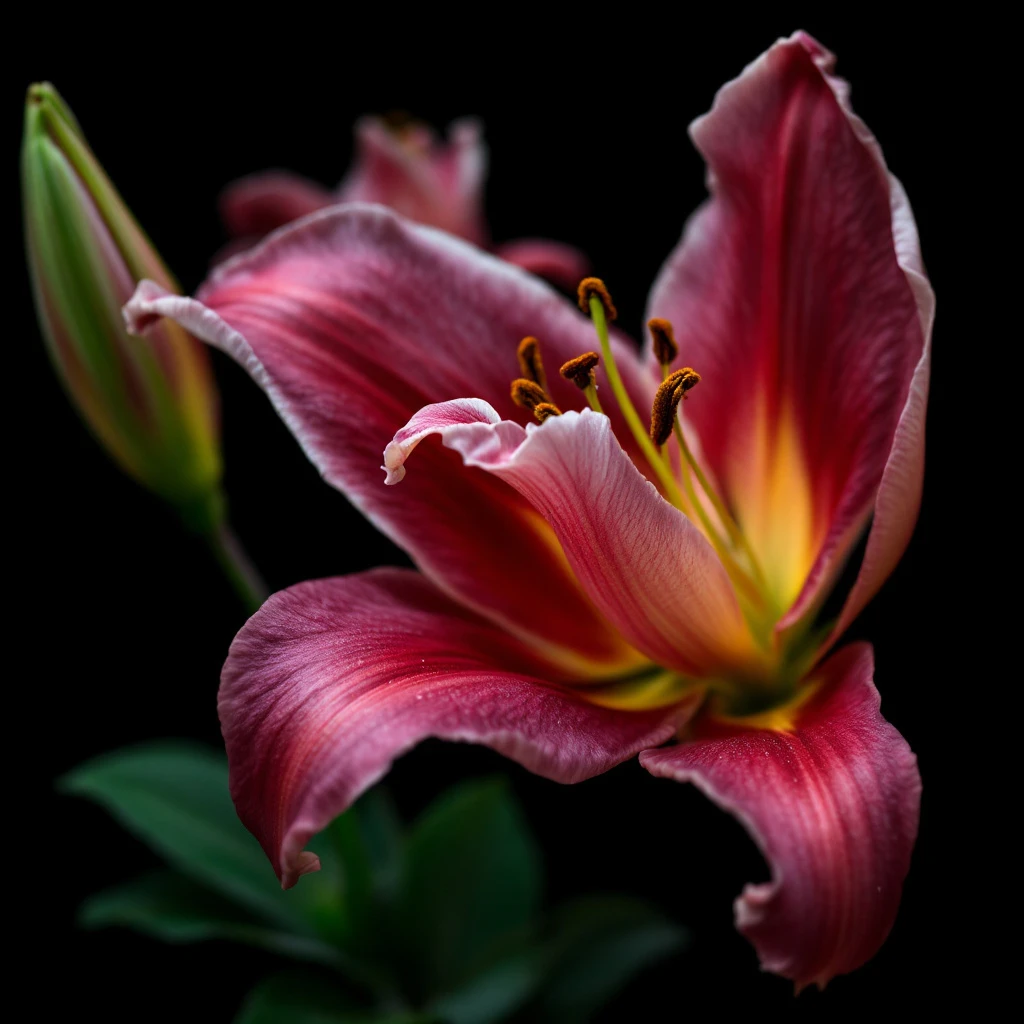
Character
How it smells
Dewy morning purity captured in scent
Christian Dior wore lily of the valley as a personal talisman. He released Diorissimo in 1956, calling it his favorite fragrance.





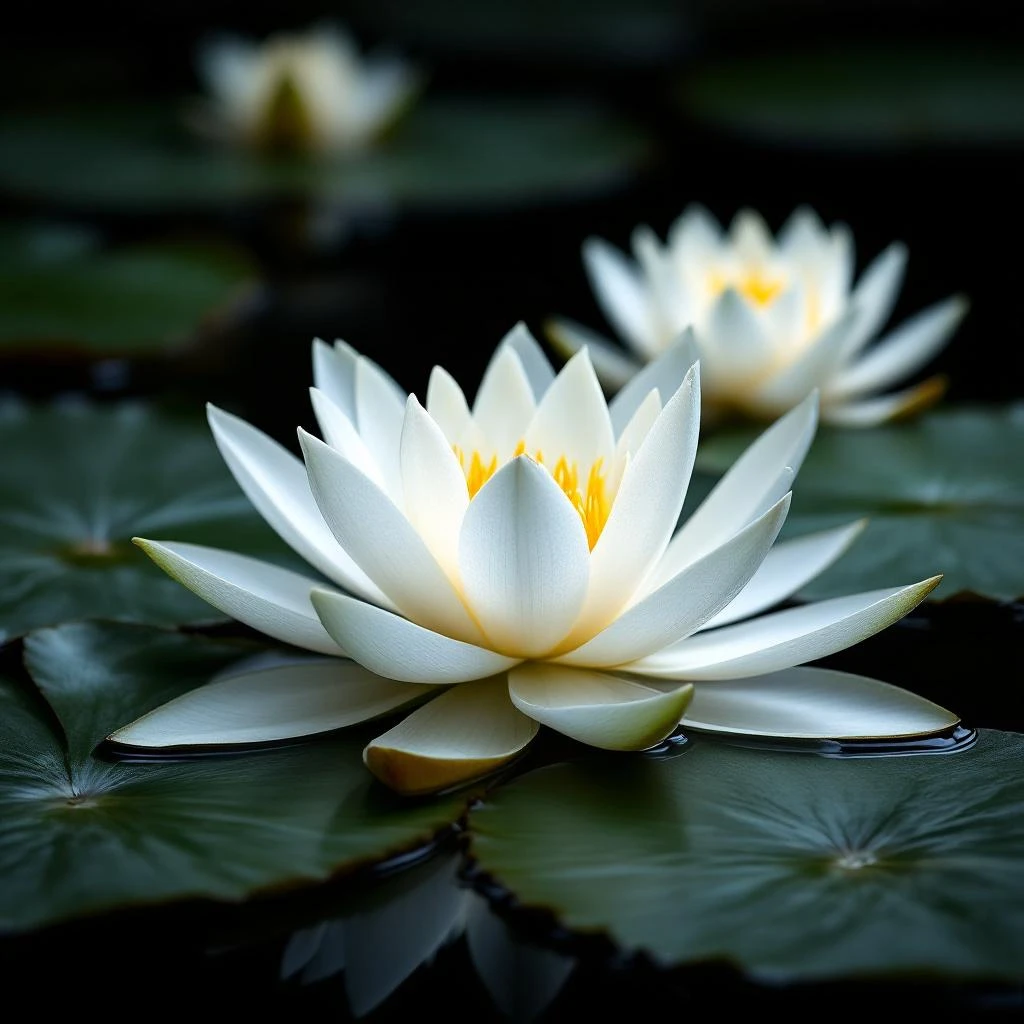



Origin
China
Asian Lily traces its botanical origins to the forests of China, where Convallaria majalis grows wild across shaded mountain slopes. The plant traveled east to Japan and Korea, then made its way westward along ancient trade routes.
French monasteries began cultivating it during the Middle Ages, attracted by its symbolic associations with purity and the Virgin Mary. By the 19th century, European perfumery embraced the flower as extraction techniques improved, though its delicate chemistry made it a difficult material to capture.
Christian Dior elevated lily of the valley to icon status in 1956 with Diorissimo, a fragrance built entirely around his favorite flower. The launch cemented the note as a cornerstone of modern perfumery, where it has since symbolized renewal, happiness, and spring mornings.
Wears it best
Fragrances featuring Asian Lily

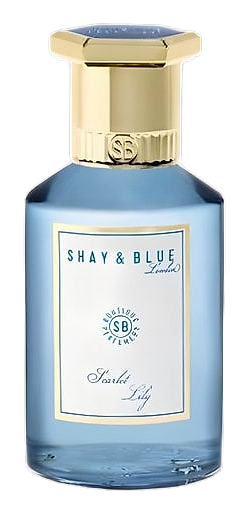
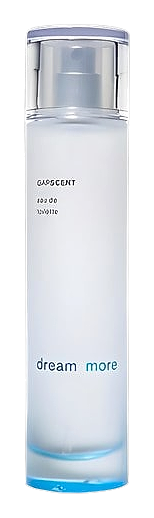

Brands
Brands known for Asian Lily
Good to know
Questions, answered
The essentials on Asian Lily in perfumery: how it smells, where it comes from, and how it behaves on skin.
What is Asian Lily in perfumery?
Asian Lily refers to lily of the valley (Convallaria majalis), a delicate white flower prized for its fresh, green, and dewy scent. Natural extraction is prohibitively expensive, so perfumers primarily use synthetic aroma chemicals to recreate its characteristic fragrance.
What does Asian Lily smell like?
Asian Lily smells like a fresh spring morning. The note combines crisp green freshness with soft white floral sweetness and a subtle watery quality. It reads as clean, pure, and uplifting without heaviness or spice.
Where does Asian Lily originate from?
Lily of the valley originates from China, growing wild across forested mountain regions. The plant spread eastward to Japan and Korea, then traveled westward along ancient trade routes to European gardens.
How is Asian Lily extracted for fragrance?
Natural extraction uses solvent extraction to produce a concrete, then alcohol washing yields the absolute. This process requires thousands of flower kilograms for minimal yield. Most commercial lily of the valley notes come from synthesized aroma chemicals like hydroxycitronellal.
What role does Asian Lily play in fragrance composition?
Asian Lily functions as a heart note that adds freshness and purity to fragrance mid-sections. Perfumers use it to create clean, green, and dewy impressions. It pairs especially well with other white florals and transparent green notes.
Is Asian Lily used in men's or women's fragrances?
Asian Lily suits both men's and women's fragrances equally well. Its fresh, clean character makes it popular in gender-neutral and contemporary fragrances. The note appears frequently in modern Chanel, Dior, and floral compositions across categories.
What is a notable fragrance featuring Asian Lily?
Christian Dior launched Diorissimo in 1956, built entirely around lily of the valley. The house founder considered it his favorite fragrance, and the perfume remains a benchmark for the note in modern perfumery.
Can Asian Lily be combined with other fragrance notes?
Asian Lily pairs naturally with magnolia for modern floral impact, with green notes like galbanum to enhance crispness, and with musks for a softer, skin-close effect. It also complements citrus top notes and woody base materials effectively.


