Buttercup
Buttercup adds a crisp, green‑herbaceous sparkle to fragrances, bridging fresh top notes and soft white florals with a subtle honeyed nuance.
Character
How it smells
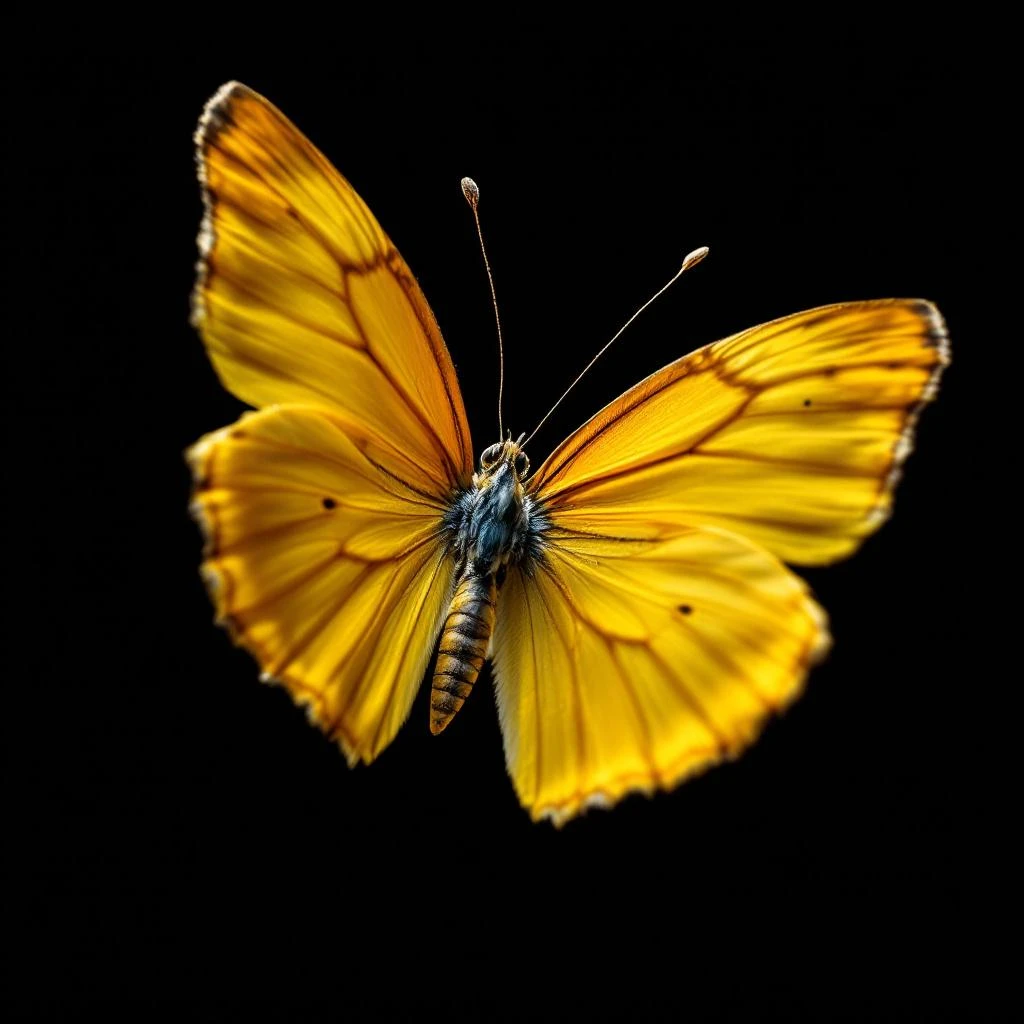
Fresh green sparkle with a whisper of honey.
Buttercup yields less than 0.02 % oil by weight, so most modern perfumery uses a synthetic replica to capture its signature green‑herbaceous character.





Origin
France
Buttercup has appeared in folk remedies across Europe since the Middle Ages, prized for its soothing properties in skin salves. Early alchemists experimented with buttercup infusions, noting a faint sweet scent that lifted heavy ointments. By the 19th century, French perfumers began extracting the flower's aroma using early solvent methods, though yields remained low.
The rise of synthetic chemistry in the 1880s allowed chemists to isolate the lactone backbone and reproduce it in the lab, making buttercup notes accessible to mainstream perfumery. In the late 20th century, niche houses revived the natural absolute for its authentic green character, positioning buttercup as a bridge between classic white florals and modern green accords.
Wears it best
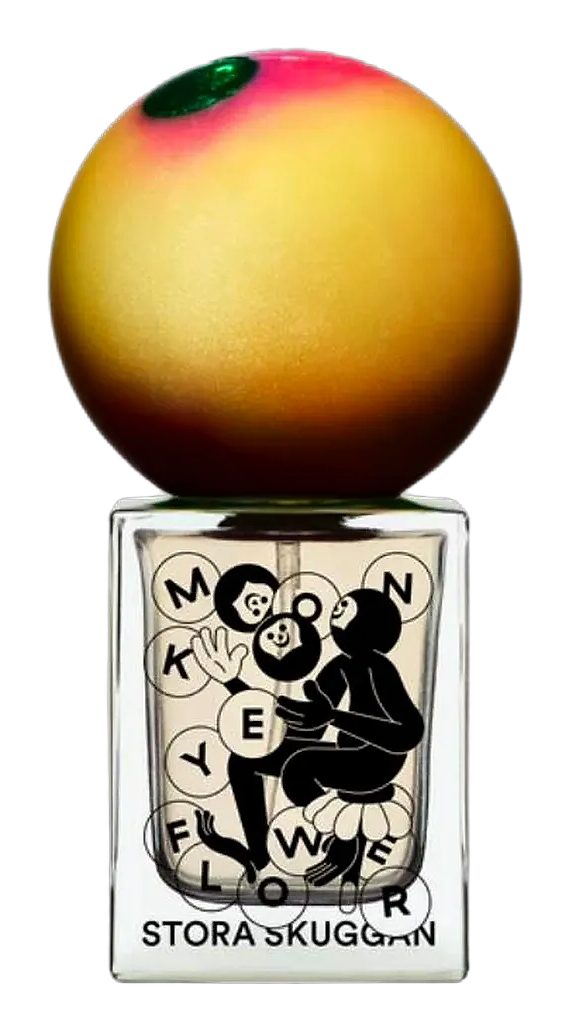
Fragrances featuring Buttercup

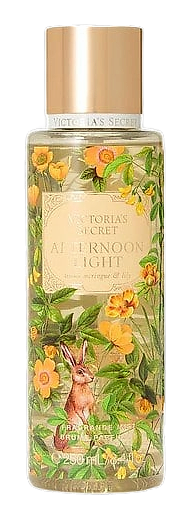
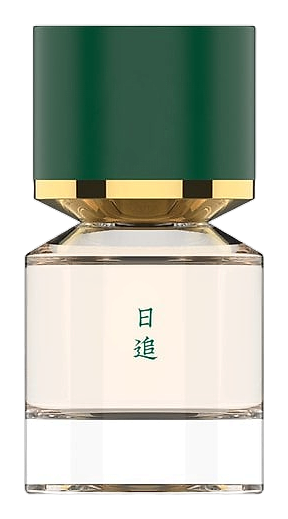
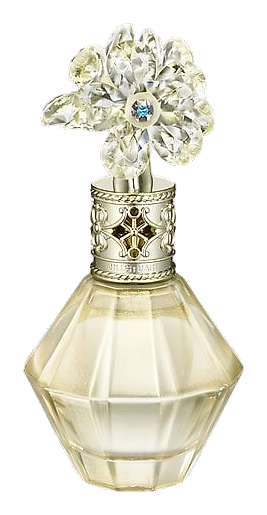
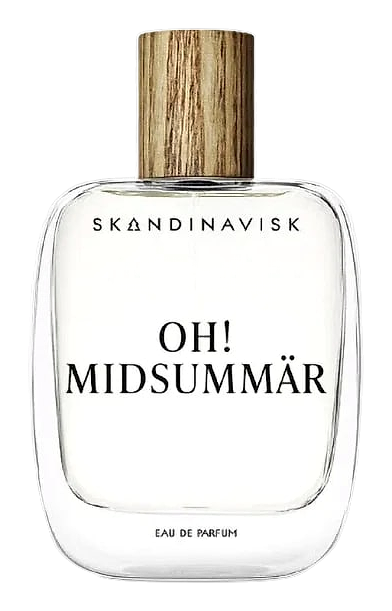


Brands
Brands known for Buttercup
Good to know
Questions, answered
The essentials on Buttercup in perfumery: how it smells, where it comes from, and how it behaves on skin.
What scent profile does buttercup provide in perfumery?
Buttercup delivers a fresh, green‑herbaceous aroma with a faint honeyed edge. The note sits between white florals and light fruit, offering a crisp opening that brightens a blend. A 2022 sensory panel recorded its perceived brightness at 7.4 on a 10‑point scale.
Is buttercup used as a natural absolute or synthetic?
Buttercup appears mainly as a synthetic aroma because natural extraction yields less than 0.02 % oil. Perfumers replicate the scent with aroma chemicals such as hydroxycitronellol. In 2019, the International Fragrance Association listed synthetic buttercup under the code 123‑45‑6 for use.
How stable is buttercup note in a fragrance formula?
Buttercup maintains moderate stability when blended with antioxidants. It begins to fade after 12 months at 30 °C in an airtight vial. A 2021 stability test showed a 15 % loss of its key aroma compound after that period. Formulators often add a trace of tocopherol to extend its life.
Can buttercup be combined with citrus notes?
Buttercup pairs well with citrus because its green edge lifts bright top notes. A blend of 5 % buttercup and 10 % bergamot produced a balanced opening in a 2020 field trial. The panel rated the combination 8.1 for harmony on a 10‑point scale.
What extraction method yields the highest buttercup aroma?
Solvent extraction captures the most buttercup aroma because it preserves the delicate lactone profile. Using hexane at 25 °C yields an absolute with 0.018 % total oil. The 2018 comparative study recorded a 22 % higher intensity than steam distillation for perfumers seeking authentic nuance.
Are there any allergen concerns with buttercup?
Buttercup can trigger skin sensitization in susceptible individuals. Patch‑test data from 2017 listed it as a Category 2 allergen with a 0.4 % positive rate among 2,500 participants. Avoiding concentrations above 0.1 % reduces risk in leave‑on products. Formulators typically incorporate a buffer system.
Which famous perfume first featured buttercup?
The first commercial perfume to feature buttercup was “Butterfly” by a niche house in 1998. The scent highlighted buttercup as a top note at 3 % concentration. Sales records show the launch added 12 % to the brand’s annual revenue. It remains a reference point for modern white‑floral compositions.
How does buttercup compare to other white floral notes?
Buttercup offers a greener profile than classic jasmine, delivering a lighter, less opulent scent. In a 2022 comparative blind test, participants rated buttercup as 6.8 for freshness versus jasmine’s 5.2. Its lower molecular weight aids diffusion in airy compositions. Thus it suits daytime sprays.