
The Story
Why it exists.
The beginning
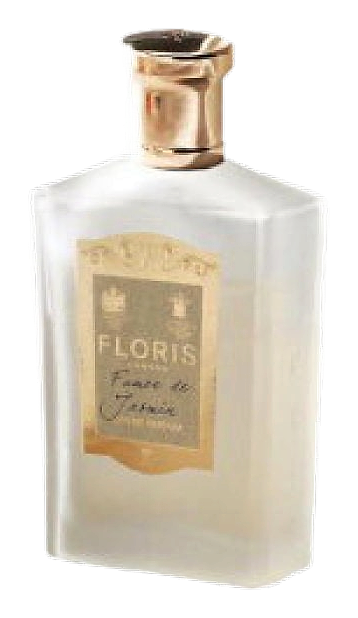
Fumée de Jasmin arrived in 2015, composed by Nicola Pozzani for Floris, the British house recognized by the Royal Warrant as Britain's oldest family perfumers. The name says everything. "Fumée" is French for smoke, and the entire composition leans into that translation with a kind of confident directness. The jasmine at the center isn't the clean, dew-kissed white flower of a summer garden. It's the jasmine you catch after hours, when incense has burned down and the air holds onto something darker, smokier, more confessional. There's an animalic warmth to it, a suggestion of indolic sweetness wrapped in haze rather than bathed in light. The smoke isn't a backdrop; it's the medium through which the floral arrives, giving every breath a faintly resinous cast.
What makes the composition worth a second look is the tension between materials. Jasmine and lavender carry a long association with airy, soapy cleanliness. Add tobacco, cedarwood, amber, and Javanol, a modern sandalwood substitute prized for its creamy warmth, and the whole structure tilts. Javanol does work here that traditional sandalwood might struggle with: it bridges the floral heart to the resinous, smoky base without adding weight. Oriental resins and vanilla provide a low amber glow that keeps the smoke from ever smelling burnt. The carnation sneaks through the middle, bringing a clove-like warmth that connects the pepper to the floral core.
The evolution
The first 15 minutes belong to bergamot and lavender, bright and a touch soapy, the way a freshly lit room smells before the evening settles. Almost immediately, the jasmine arrives. It doesn't float in cleanly; it enters through a haze, as if filtered through burning wood. Black pepper and carnation arrive with it, giving the floral a spiced, slightly metallic edge that reads as warm smoke rather than cold air. The pepper adds a fine-grained bite, while the carnation's clove-like warmth thickens the texture, pulling the jasmine away from any innocent association and toward something far more shadowed. Around the 30-minute mark, the structure shifts. The citrus brightness recedes, making room for what feels like a different fragrance entirely. Tobacco, amber, vanilla, and the Javanol-driven sandalwood character take over, and the transition is less a gentle fade than a slow takeover.
Cultural impact
Fumée de Jasmin arrived in 2015 as a limited release from Floris, composed by Nicola Pozzani, and it marked a deliberate expansion of the house's repertoire into territory the brand had rarely visited before. The composition threads jasmine against Javanol, a modern woody molecule, creating a deliberate dialogue between a classic floral material and one of contemporary perfumery's most versatile synthetics. The Javanol lends a creamy, translucent sandalwood character that behaves nothing like natural sandalwood oil; it has a clean, almost digital clarity that nonetheless reads as warm and skin-like in context.