Oriental Resins
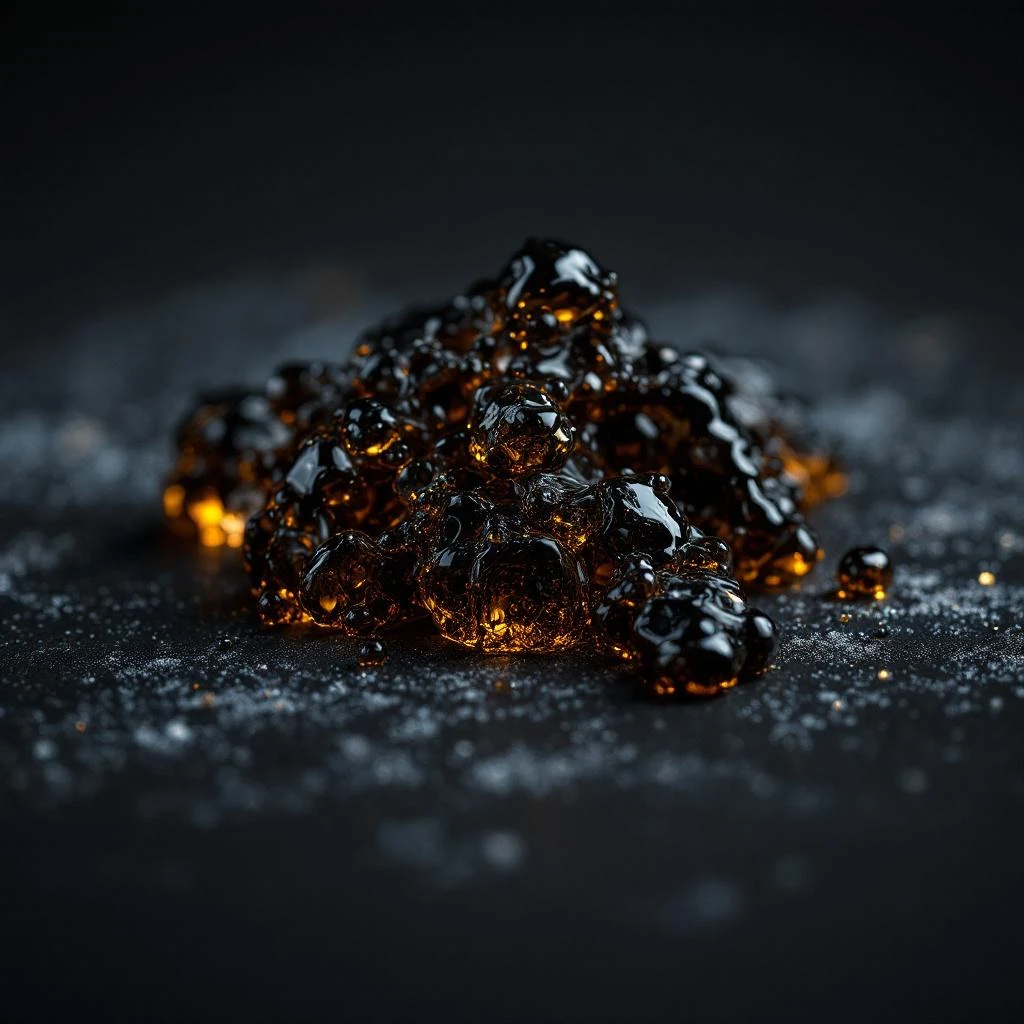
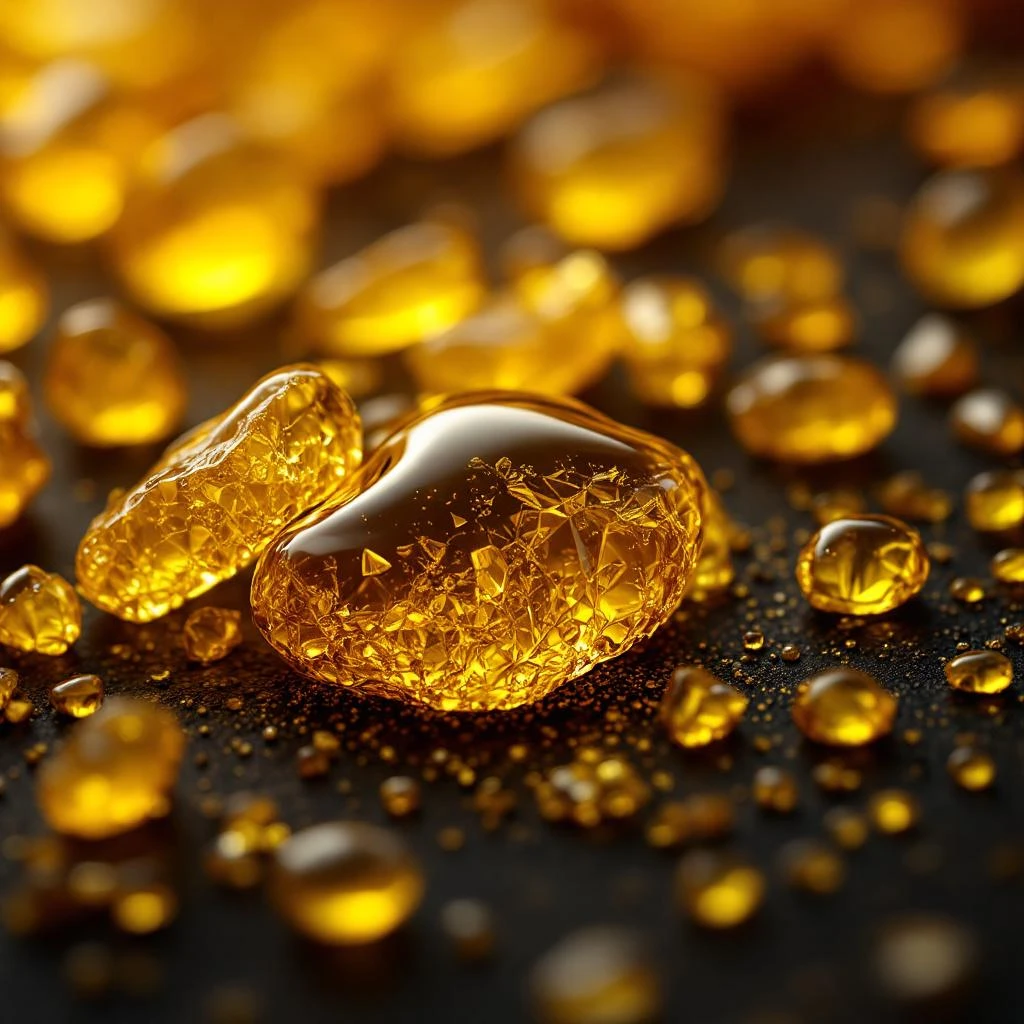
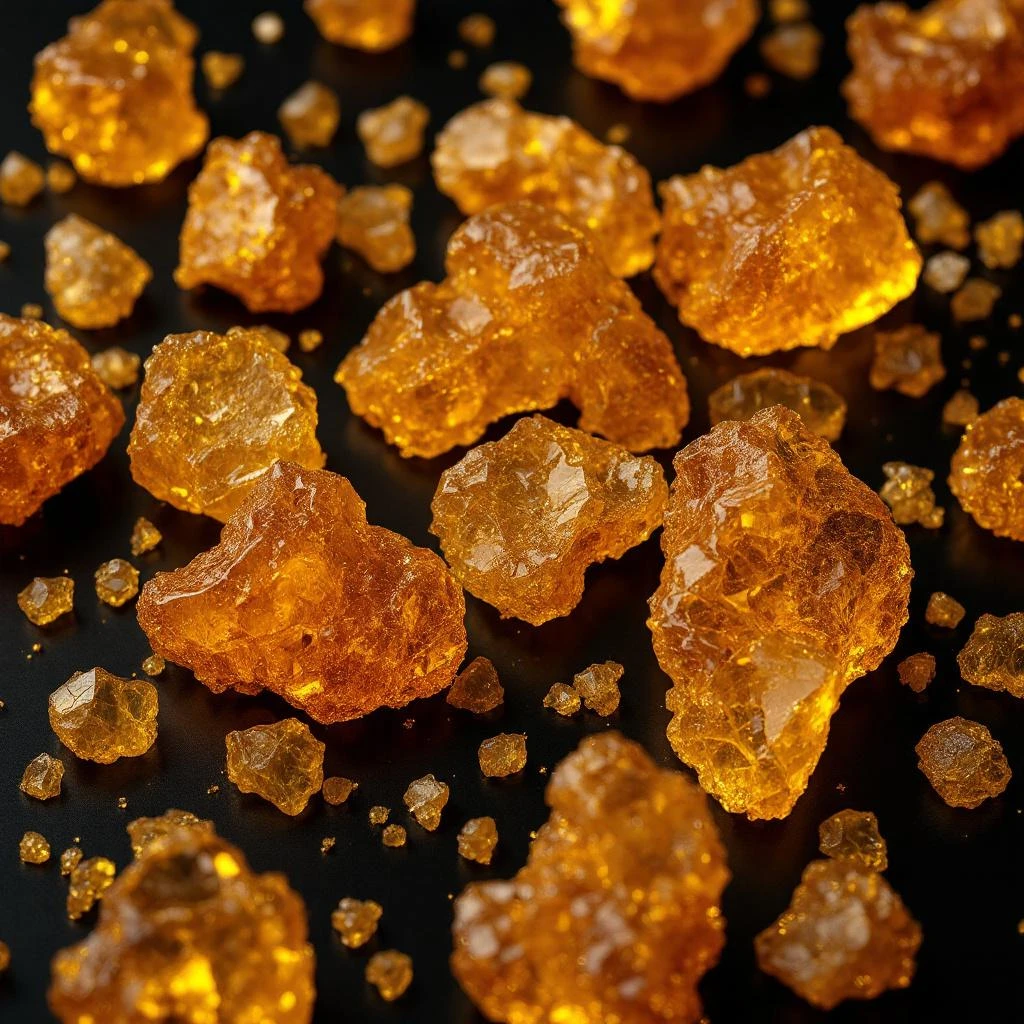
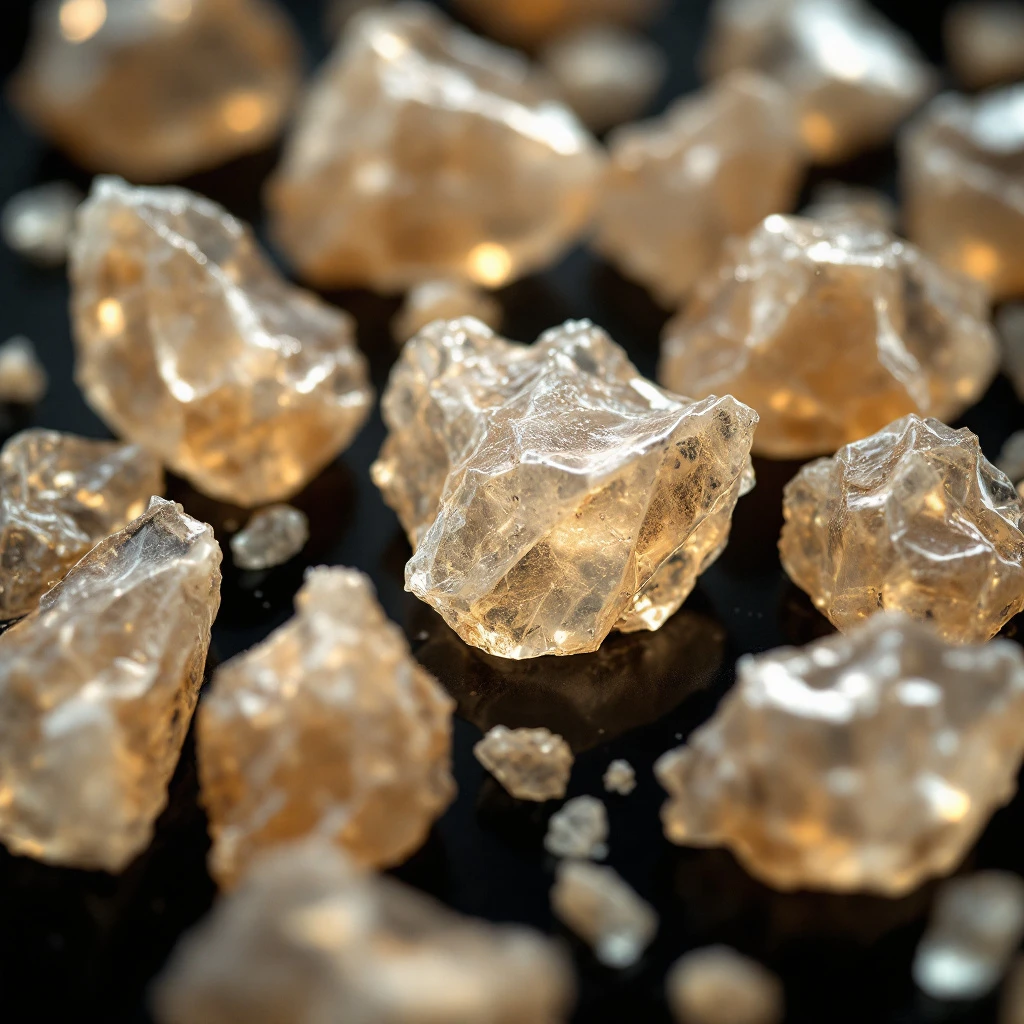
Oriental resins, including frankincense, myrrh, benzoin, and labdanum, are the deep, tenacious base notes that anchor ancient and modern perfumery. They deliver warm, balsamic depth with smoky, honeyed, and slightly medicinal facets.
Character
How it smells
Ancient tree tears that built perfume itself
Frankincense and myrrh were traded along the Incense Route for over 2,000 years, valued more highly than gold by ancient Egyptian pharaohs.







Origin
Oman
Resins rank among the oldest perfume materials known. Archaeological evidence from Egyptian tombs dated to approximately 1500 BCE shows frankincense and myrrh resins used in ritual incense, embalming, and sacred unguents.
Arabian traders mastered long-distance supply chains across the Arabian Peninsula, controlling the incense trade for centuries. During the medieval period, 13th century Crusaders returned to Europe carrying samples of these prized materials, exposing Western perfumers to their depth and longevity.
The Victorian era revived heavy, exotic compositions built on resinous bases, establishing the "Oriental" fragrance category that defines much of modern perfumery. These resins shaped perfume's evolution from sacred ritual to luxury art form, and remain irreplaceable in fine fragrance creation today.
Wears it best
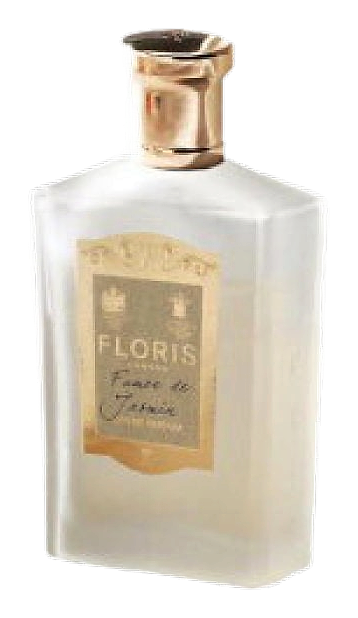
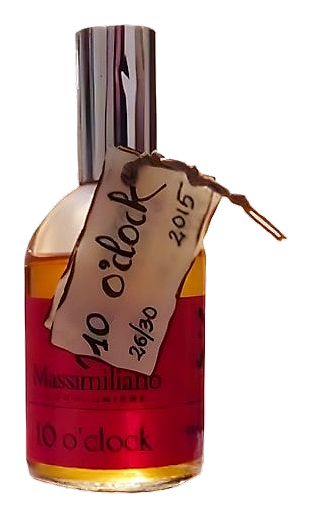
Fragrances featuring Oriental Resins
Brands
Brands known for Oriental Resins
Good to know
Questions, answered
The essentials on Oriental Resins in perfumery: how it smells, where it comes from, and how it behaves on skin.
What defines an oriental resin in perfumery?
Oriental resins are balsamic base notes from tree exudates like frankincense, myrrh, benzoin, and labdanum. They provide warmth, depth, and longevity. These materials defined the Victorian "Oriental" fragrance category and remain core to modern oriental compositions.
How are oriental resins extracted?
Most undergo steam distillation to capture volatile essential oils. Firmer materials like benzoin are tinctured in alcohol, while premium absolutes use solvent extraction for deeper complexity. Each method preserves different facets of the resin's character.
Which oriental resin is most commonly used in perfumery?
Frankincense ranks among the most widely used, prized for its bright, lemony, woody profile with excellent fixative properties. It appears in countless classic and contemporary compositions as both a heart and base note.
Are oriental resins sustainable?
Sustainability varies significantly. Boswellia trees (frankincense) face overharvesting pressure in Somalia and Oman. Labdanum, derived from Mediterranean cistus shrubs, offers a more renewable alternative. Ethical sourcing certifications matter when purchasing these materials.
Can oriental resins trigger allergies?
Yes. Myrrh and frankincense contain sensitizing compounds that can cause skin reactions in sensitive individuals. IFRA regulates usage levels in commercial perfumes. Patch testing is recommended before applying concentrated resin oils directly to skin.
What is the difference between resin and essential oil?
Resin is the raw, hardened sap collected from trees. Essential oil is the concentrated aromatic liquid extracted from that resin through steam distillation. Resins dissolve slowly in alcohol, while their oils evaporate more readily.
Where does the best frankincense come from?
Omani frankincense, particularly from the Dhofar region, is considered the finest grade globally. Its cooler, more nuanced profile differs from sharper Somali varieties. This distinction has been recognized since antiquity along the Incense Route.
Why are resins called fixatives in perfumery?
Their large, heavy molecules evaporate slowly, anchoring lighter top notes and extending overall fragrance longevity. A composition without resinous fixatives typically fades within hours, while resin bases can persist on skin all day.