The Story
Why it exists.
The beginning
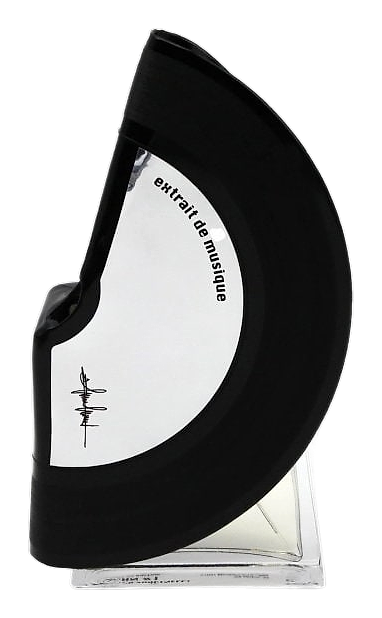
Organ #1 opens on a moment Filippo Sorcinelli knows from the inside: the end of a funeral mass for a newborn. The pews empty. The air keeps the warmth of gathered bodies a beat too long. Then the organ begins, measured, grave, limpid at once, a voice meant to carry what no one in the room can say out loud. From that suspended instant the composition takes its shape, not as a requiem but as the cathedral hush that follows it, the half-second where grief and grace are the same thing. The Organ collection builds on Sorcinelli's long fascination with liturgical sound as a medium for scent. Released in 2026 as part of the Extrait de Musique line, each fragrance in the set draws on a different instrument or sonic gesture as its starting point, translating acoustic texture into aromatic material.
The unusual choice here is placing smoke and elemi in the base rather than the top, building underneath the floral heart rather than chasing the opening with spectacle. Most spicy-floral compositions announce themselves with a bright citrus burst, then retreat. Organ #1 does the opposite: it opens with a smoky, woody hush, lets the florals unfold from underneath, and only later admits a faint bergamot brightness that reads more like candlelight than zest. Cypriol, sometimes called nagarmotha, deserves a note. It is a root oil with the dry, incense-resinous character of vetiver's more meditative cousin, and its presence in the top notes does the heavy lifting for the churchy gravity here.
The evolution
The first ten minutes on skin are quiet and uncertain, a hush of cypriol and ebony with saffron threading through like a struck match that never flares. Tuberose enters around the 20-minute mark, but it's the cooler, greener register rather than the tropical one, almost more lily than tuberose, kept in line by the suede beneath it. Orange blossom shows up about an hour in, a small white-flower sweetness that softens the composition without tipping it into anything edible or sweet in the obvious sense. The real turn happens at the two-hour mark. The smoke and elemi that were doing the heavy lifting rise to the surface as the florals recede. Bergamot, lurking in the base the whole time, finally gets its moment, a faint bitter-citrus glow that reads like the afterimage of candle smoke rather than a fresh note introduced late. From hour four onward, the composition is mostly its own shadow: resinous, woody, softly leathery, with the tuberose still detectable if you press your nose to your wrist.
Cultural impact
Organ #1 arrived in 2026 as the opening piece in Sorcinelli's Extrait de Musique collection, a line that places it in unusual company among niche releases. The conceit sets expectations that most fragrance writing doesn't prepare you for, and the opening's restraint catches some wearers off guard. Where many new releases announce themselves with bright top notes and immediate projection, Organ #1 waits, presenting a quieter surface that rewards those who read it slowly, then deepens into resin, smoke, and a faintly metallic sweetness as the hours pass.