The Story
Why it exists.
The beginning
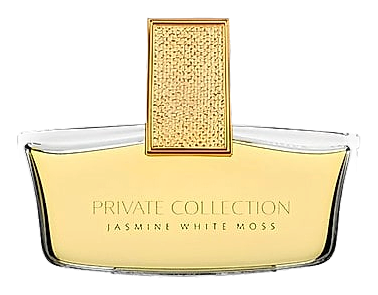
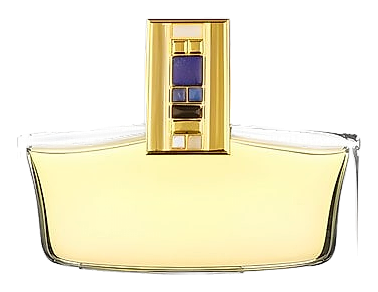
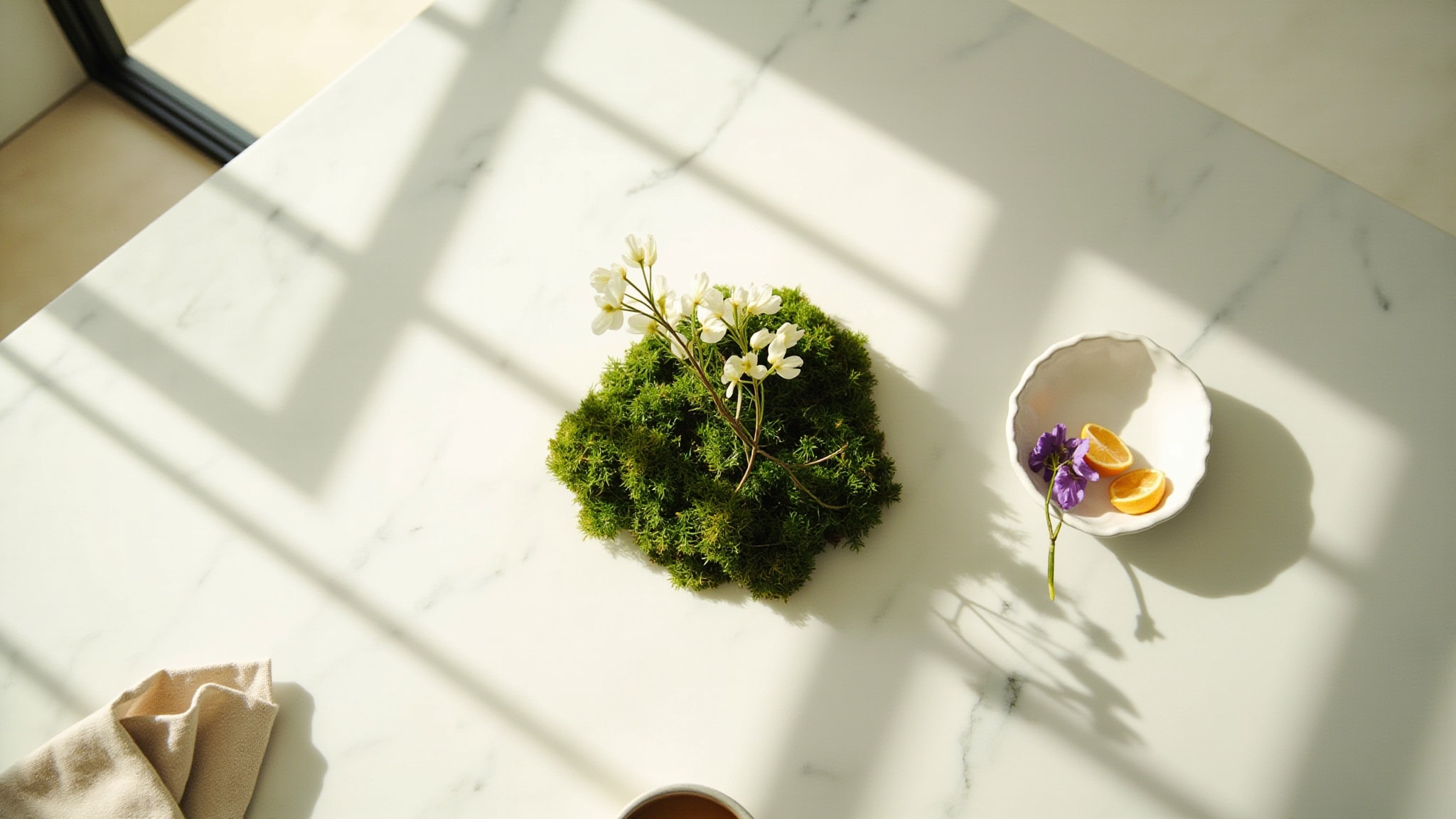
Some fragrances shout. This one learned to whisper first. Jean-Marc Chaillan composed Jasmine White Moss for Estée Lauder's Private Collection in 2009. A modern chypre in approach, the composition takes on the challenge of making green florals feel current without losing their classical bones. Sissinghurst serves as the reference point, that famous white garden in England with its enclosed spaces and carefully tended plantings. Chaillan didn't simply translate a garden into a bottle. He drew on the same green-floral vocabulary, where galbanum and moss handle the structural work. The moss top note gives the composition its initial green sharpness, a cool resinous cut that reads like crushed leaves underfoot.
The composition earns its chypre classification by holding two truths at once. The white floral heart, jasmine sambac, Indian jasmine, orange blossom, ylang-ylang, violet, orris root, is opulent and humid, a bouquet with weight. But galbanum and moss bookend it with something colder, more austere, the green that smells like a stone wall after rain. Orris root is the quiet connector. Its powdery, slightly earthy character bridges the bright florals above and the mossy-woody base below, giving the composition its smooth, unified architecture. Without it, the jasmine would float. Without galbanum, it would suffocate. The two create tension, and the tension is the point.
The evolution
First five minutes. Galbanum arrives like a door thrown open, sharp, resinous, unapologetically green. Bergamot softens the entry, and blackcurrant buds add a faintly sweet, almost animalic undertone beneath the citrus. There's no warmth here, no comfort, only the sensation of walking into a garden just after a summer downpour. The next hour. The heart settles slowly. Jasmine sambac leads, creamy and indolic without veering into indolic excess. Violet adds a powdery, cool sweetness that lifts the white bouquet rather than weighing it down. Orange blossom and ylang-ylang contribute a honeyed fullness, like sunlight warming the same garden an hour later. Three to five hours in. The moss arrives. Not aggressively chypre, not the dark forest floor of vintage formulations, but a clean, almost mineral moss, the kind that grows on old stone. Vetiver adds a dry, smoky green. Patchouli grounds everything in soft earth. Eight to ten hours. The fragrance fades into a whisper of moss and warm wood, intimate, close to skin, the scent of a garden the morning after.
Cultural impact
Jasmine White Moss has cultivated a following among wearers who gravitate toward green florals with backbone. It's not a club fragrance, not a date-night weapon. It reads more as a daytime intellectual, the kind of scent that pairs well with linen and natural fibers, with rooms that have plants rather than electronics. The green opening makes its presence felt within the first few minutes, that galbanum-and-blackcurrant burst that announces itself clearly before softening into the jasmine heart.