
The Story
Why it exists.
The beginning
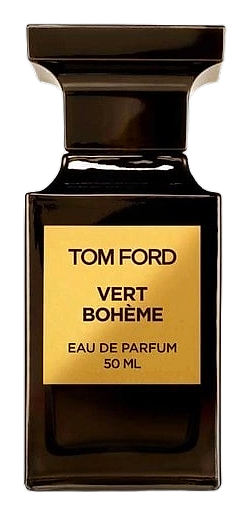
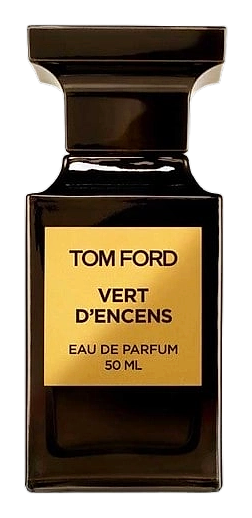
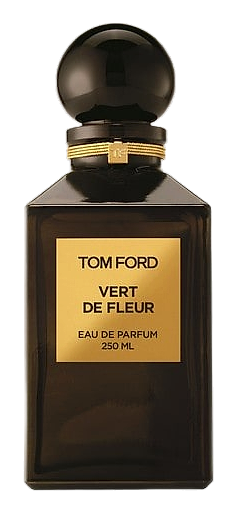
The 2016 Private Blend collection explored green from four angles. Vert d'Encens went resinous. Vert de Bois went woody. Vert Bohème went bohemian. Vert de Fleur went botanical. Perfumer Yann Vasnier captured the moment just after rain, that cold, dewy quality of green stems and petals before the sun warms them. The name means 'green of the flower,' and the fragrance keeps that promise with a sharpness that doesn't apologize for itself.
The real achievement here is the galbanum. It sits at the apex of the composition, not as decoration but as architecture, the structural backbone that keeps every other note honest. Where many green fragrances soften into something approachable, Vert de Fleur keeps its edge. Hyacinth adds an almost aquatic dimension, a coolness that reads like the smell of cold water on stone. The floral heart of jasmine sambac and orange blossom blooms against this chill, never fully warm, always slightly reserved. It's this tension between cold and floral that makes the composition feel lived-in rather than conceptual.
The evolution
The opening arrives fast and clean, galbanum cuts through immediately, leaving a trail of cold air and crushed stems. Hyacinth amplifies the effect, giving the first minutes an almost mentholated sharpness that stops projection in its tracks. Within 20 minutes, the floral heart begins to assert itself. Jasmine sambac blooms quietly against the cool backdrop, orange blossom adds a whisper of creaminess, and orris root introduces a powdery restraint that keeps everything precise. The drydown belongs to vetiver. Dry, slightly smoky, and mineral-rich, it anchors the composition as green notes fade and oakmoss extends the botanical character into a long, quiet close. This is a fragrance that stays close to the skin after the first hour, present but never announced. The next morning, faint traces of vetiver and patchouli linger on fabric.
Cultural impact
Vert de Fleur arrived in 2016 as part of Tom Ford's Private Blend collection, a line that fundamentally reshaped how luxury fragrance is positioned in the market. Rather than treating green notes as nostalgic or old-fashioned, the Private Blend series treated them as architectural elements deserving of full complexity. The 2016 green quartet (Vert de Fleur, Vert d'Encens, Vert de Bois, Vert Bohème) arrived during a broader cultural moment when luxury consumers were growing fatigued by sweetness and projecting sophistication through restraint. Vert de Fleur specifically captured something particular to its era: a confidence in coldness, an appeal to wearers who found warmth in conventional florals to be almost embarrassing. Its uncompromising galbanum opening became a statement of intent for a generation that associated sharp green with intelligence and modernity. The fragrance continues to be discussed in enthusiast spaces as a benchmark for what green can achieve when treated as a primary rather than supporting element.