The Story
Why it exists.
The beginning
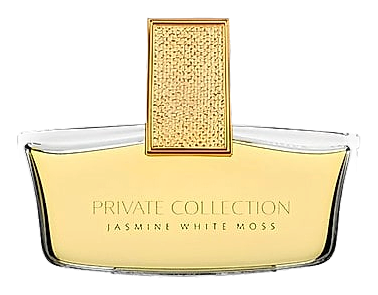
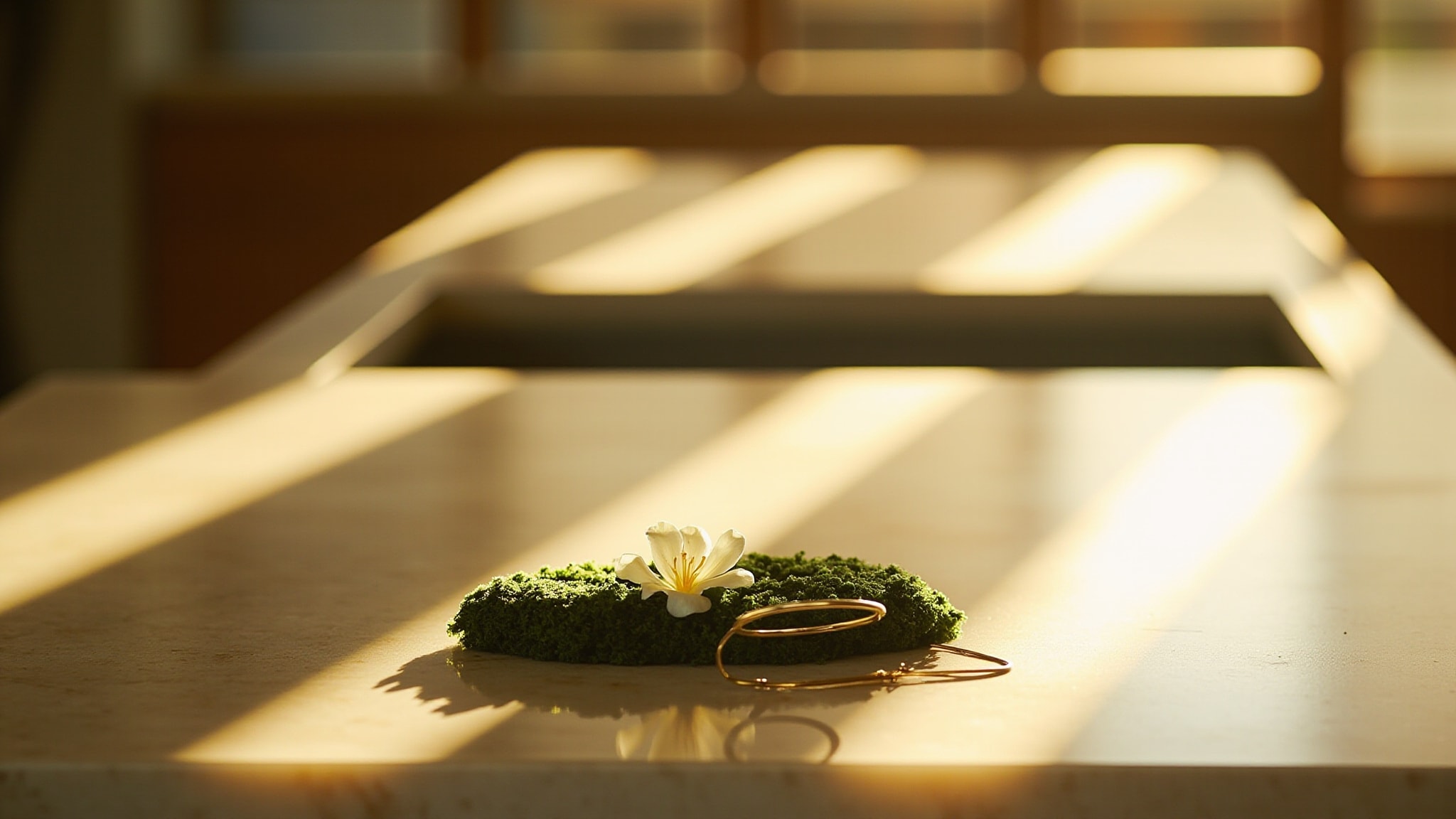
Jasmine White Moss started as Estée Lauder's own idea, a scent she sketched in 1980 and never finished. It stayed in that state for decades, a private collection within the private collection. Aerin Lauder, the granddaughter who would eventually shape the brand's aesthetic, eventually brought it to perfumer Jean-Marc Chaillan with a single instruction: finish what she started. Chaillan had Estée Lauder's original vision, her notes on what she wanted the jasmine to feel like, and the challenge of translating a decades-old ambition into something that could live on skin in 2009. The white moss was non-negotiable. So was the jasmine.
What makes this composition unusual is its structural clarity. The galbanum opening isn't decorative, it's a cold frame around the jasmine, keeping the florals from going soft. The jasmine itself is Sambac and Indian absolute, which carry a different weight than the lighter grandiflorum varieties. Sambac jasmine has a creamier, almost indolic quality that reads as opulent without sweetness. Paired with orange blossom and ylang-ylang, the heart becomes a white floral accord with genuine depth. But the oakmoss and vetiver base keeps pulling it back toward something cooler, more mineral.
The evolution
The opening announces itself quickly. Bergamot and galbanum arrive together, with blackcurrant adding a tart undertone that feels almost green rather than fruity. Thirty minutes in, the jasmine takes over, Sambac absolute, Indian jasmine, the whole white floral orchestra. But there's a coolness underneath, from orris root and violet, that prevents the heart from becoming heavy. The jasmine doesn't dominate so much as expand, filling space without force. Two hours in, the drydown begins. Oakmoss asserts itself, shifting the register from fresh garden to something older, more textured. Vetiver and patchouli anchor the base, extending the drydown another six to eight hours. On fabric, the white moss lingers overnight.
Cultural impact
Private Collection Jasmin White Moss emerged during a period when perfumers were rediscovering the raw beauty of natural materials, challenging the synthetic-heavy compositions that dominated the late 20th century. This fragrance belongs to a lineage of green chypres that pay homage to the pioneering works of the 1960s and 70s, when perfumers like Jean-Paul Belanger and others began exploring the darker, more complex facets of jasmine. The galbanum note in particular references a grand tradition of green accord construction that dates back to classic compositions like Diorella and Femme.