The Story
Why it exists.
The beginning
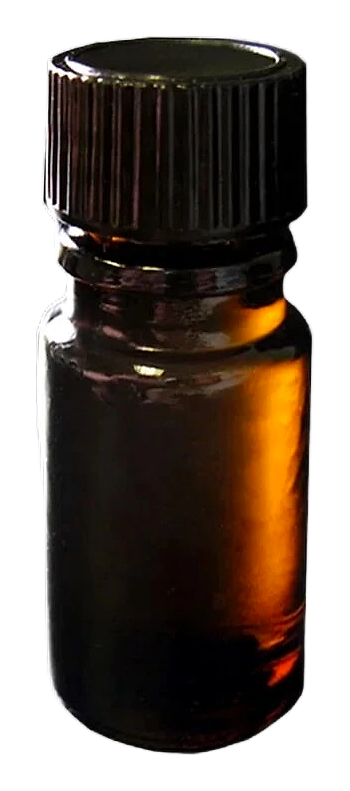
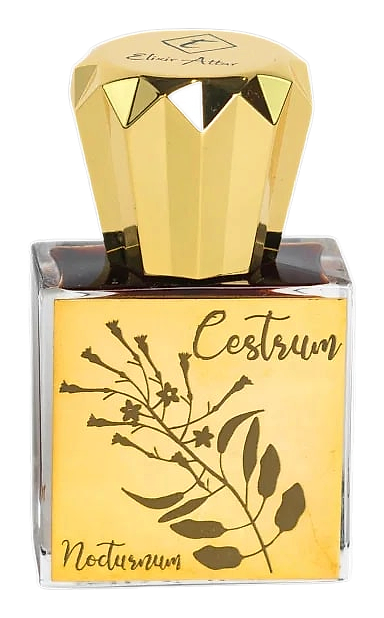
Cestrum Nocturnum is the perfume of a night-blooming plant that waits for darkness to open. The composition draws directly on that botanical conceit: a floral that refuses to behave like a daytime flower. It is built around layers of jasmine, tuberose, and neroli, then weighted at the base with Malayan oud, Siam benzoin, and Siberian deer musk, materials that don't politely fade into the background. The fragrance sits within the house's catalog as an attar-format composition, treating the format itself as a vehicle for a particular kind of density and intimacy. One that prizes the long arc of a single composition over the bright, shallow charm of a quick spritz. There's a darkness here that comes from the notes themselves, not from any clever trick of layering or contrast.
What's worth noting is the jasmine layering. Three distinct expressions of the flower appear in the heart: Jasmine CO2, which captures the absolute's waxy green intensity; jasmine sambac, which brings the creamy, almost narcotic sweetness; and night-blooming jasmine, which carries the indolic, slightly carnal edge that gives white florals their depth. Stacking three expressions of the same flower in a single heart is unusual, and the result pushes the composition toward complexity rather than any single jasmine character.
The evolution
The opening hits dense and sweet. Peach and raspberry read almost candied at first, lifted by ginger's clean heat and the presence of Sichuan pepper in the top notes. The composition plays like a spiced fruit compote, warm and golden, the honey in the base already starting to sweeten the edges. The fruit top notes do their work quickly, and once they've passed, the florals arrive in full. Jasmine sambac's creaminess softens the fruit, and tuberose adds weight, turning the sweetness into something more textured. The neroli cuts through with a green, slightly bitter edge that keeps the whole thing from collapsing into syrup. As the heart fades, the base settles into its final form: Malayan oud, smoky and leathery, sitting under honey and Siam benzoin's vanilla-leaning warmth.
Cultural impact
Cestrum Nocturnum draws on materials and combinations rooted in the attar tradition while incorporating contemporary niche sensibilities. The fragrance's jasmine-forward heart and oud-anchored base reflect a long-standing conversation within oil-based perfumery about how white florals interact with smoky, resinous woods. Night-blooming jasmine carries particular weight in this context: the flower itself waits for darkness to open, and that botanical behavior has made it a recurring motif in perfume, often paired with oud or other dark, resinous materials to evoke the contrast between floral sweetness and shadow.