The Story
Why it exists.
The beginning
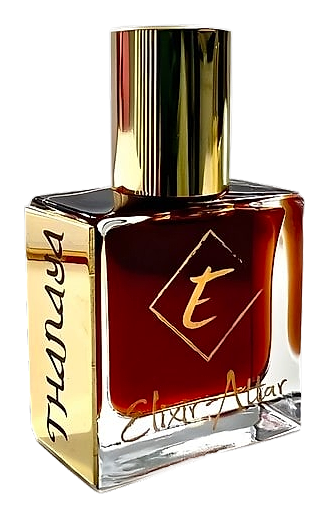
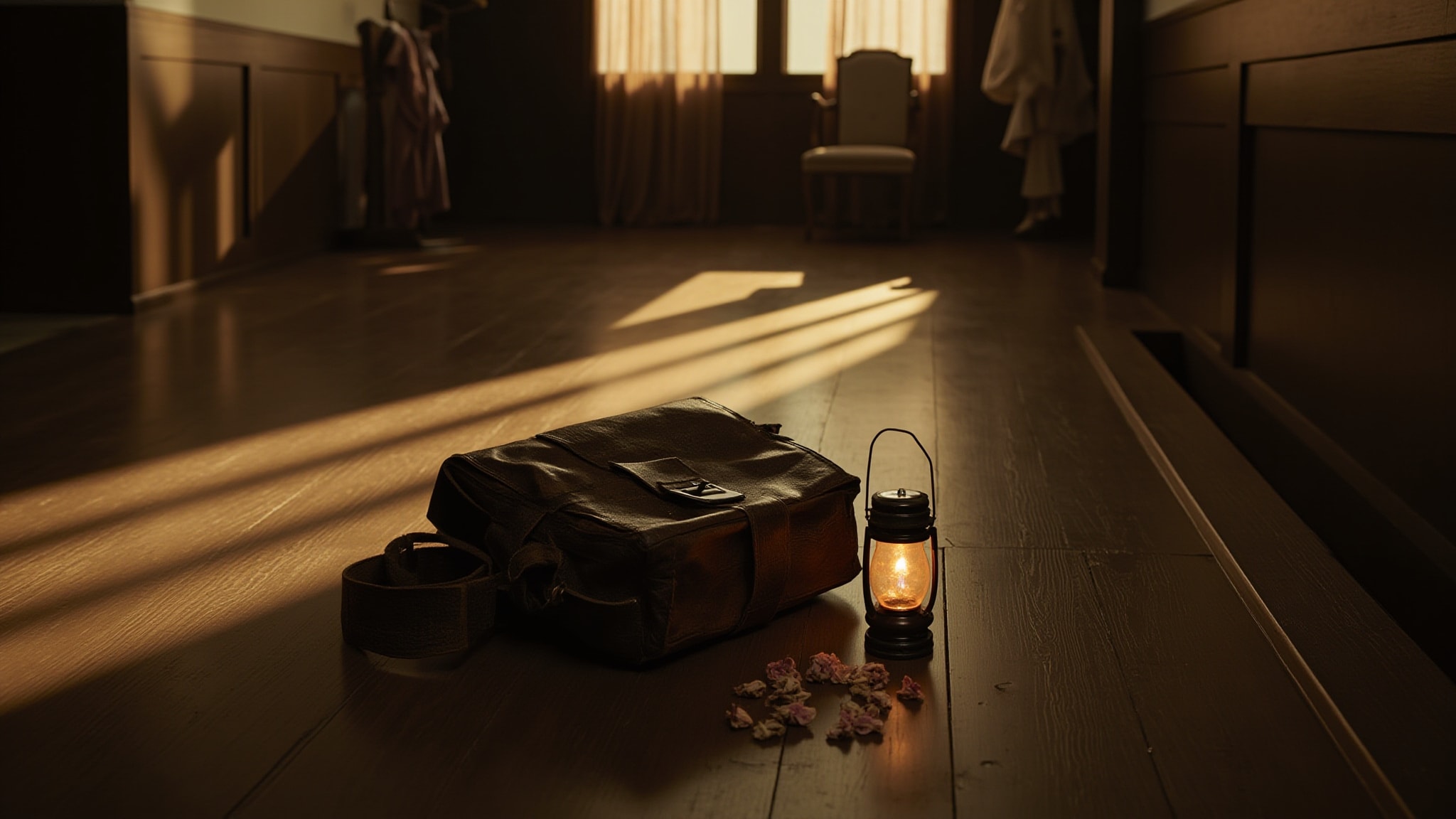
Thanaya comes from the Arabic word for folds, the folds of leather, the layers of it, the way it holds scent and heat and history simultaneously. The name itself suggests something that reveals itself gradually, layer upon layer, each fold containing its own depth. Castoreum and eleven varieties of rose. Multiple oud sources from different regions. These materials work together not as approximations but as the genuine article, creating a leather accord that avoids the typical hint-and-suggest approach. The combination of castoreum's animalic richness with the warm, multi-faceted rose and the smoky resinous quality of multiple ouds produces something that feels authentic rather than constructed. The thing itself.
The four main accords tell you what Thanaya is built from, oud from India, Papua, Thailand, Cambodia; Madagascan vanilla; castoreum; the rose blend. What they don't tell you is how inseparable they've become. The brand describes it as requiring a strongly experienced perfume aficionado to even break down those four components from the total accord. That's not marketing. The ingredients don't arrive sequentially or in clearly labeled sections. They arrive as one dense, layered thing. The castoreum isn't separate from the rose. The oud isn't waiting behind the vanilla. They're integrated at a level that makes this composition function as a complete olfactory object rather than a note pyramid.
The evolution
The opening arrives with bergamot, bright and citrus-sharp, before the castoreum announces itself with animalic presence that feels immediate and assertive. If you've encountered real leather that hasn't been processed into neutrality, you recognize the quality of what's happening here. The rose doesn't take long to appear, arriving as a structural element rather than a simple floral accent. Eleven varieties fuse into something that smells less like any single rose and more like the essential idea of rose itself, warm and complex and insistent. The oud emerges gradually as the composition develops, settling in the way heavier elements find their place in a blend. The vanilla arrives at some point, sweet and resinous, extending the drydown considerably.
Cultural impact
Thanaya arrives with a composition that emphasizes intensity and layered complexity, combining multiple oud sources with castoreum and a deliberate leather presence. The Extrait de Parfum format allows for concentrated depth that stands apart from more restrained approaches. The fragrance draws from traditions that have built lasting demand for oud, musk, and animalic notes in perfume markets, creating a piece that commands attention on its own terms rather than seeking to bridge different aesthetic sensibilities.