
The Story
Why it exists.
The beginning
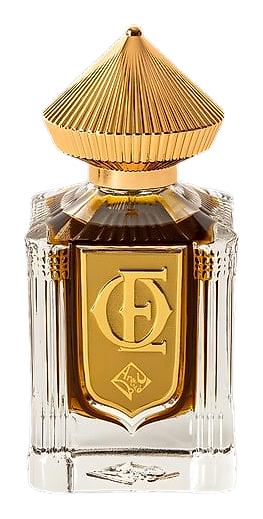
Iris is the pivot point. Every classical French tradition has one: the note that anchors the entire structure, the material perfumers reach for when they want a fragrance to mean something. For the creator behind Elixir Attar, the iris commission became a question of translation. How do you speak French classicism through hands trained in something else entirely? The answer arrived with Iris Chypre, a chypre formulation that doesn't perform its heritage so much as inhabit it. Oakmoss, labdanum, and the orris root that gives the composition its name. A French composition, but the hands behind it come from somewhere else entirely. This is perfume that knows where it comes from and where it belongs, holding both without apology.
The pyramid is dense, but it isn't cluttered. Eleven base notes could spell disaster, or a composition with nothing left to prove. What saves it is restraint masquerading as abundance. The orris and iris don't compete; they're the same flower at different depths, the absolute and the root working in sequence. Vanilla and benzoin arrive late, sweetening the oakmoss without dissolving it. The ambergris is barely there, a whisper of salt that makes the powder readable instead of dusty. This is the difference between a note list and a structure: every material has somewhere to go.
The evolution
The opening is all heat and brightness, bergamot cutting through cloves and ginger like light through a window. It doesn't linger. Soon the jasmine appears, waxy and tropical, and beneath it the rose de Mai unfurls with a honeyed softness that almost distracts from what's building underneath. The iris doesn't arrive all at once. It seeps. By the second hour, the powder is there, not synthetic violet, not baby powder, but the mineral-starchy reality of orris root macerating in lipid. The vanilla and benzoin arrive like a warm hand on the shoulder, present, undemanding. Oakmoss and cedar hold the whole thing together. The fragrance settles close to the skin, revealing its structure in quiet stages rather than dramatic reveals. On fabric, it lasts until the next wash cycle. On skin: it becomes you.
Cultural impact
Iris Chypre occupies a specific space: classical French chypre tradition executed by a perfumer trained outside that tradition. That tension, the outsider's deep study of a canonical form, gives it a particular quality. It doesn't imitate French perfumery. It translates it. The powder-to-velvet drydown reads as intimacy rather than statement, which places it closer to private ritual than public performance. This is fragrance that speaks in a register most people have forgotten how to hear, and that silence is exactly the point.