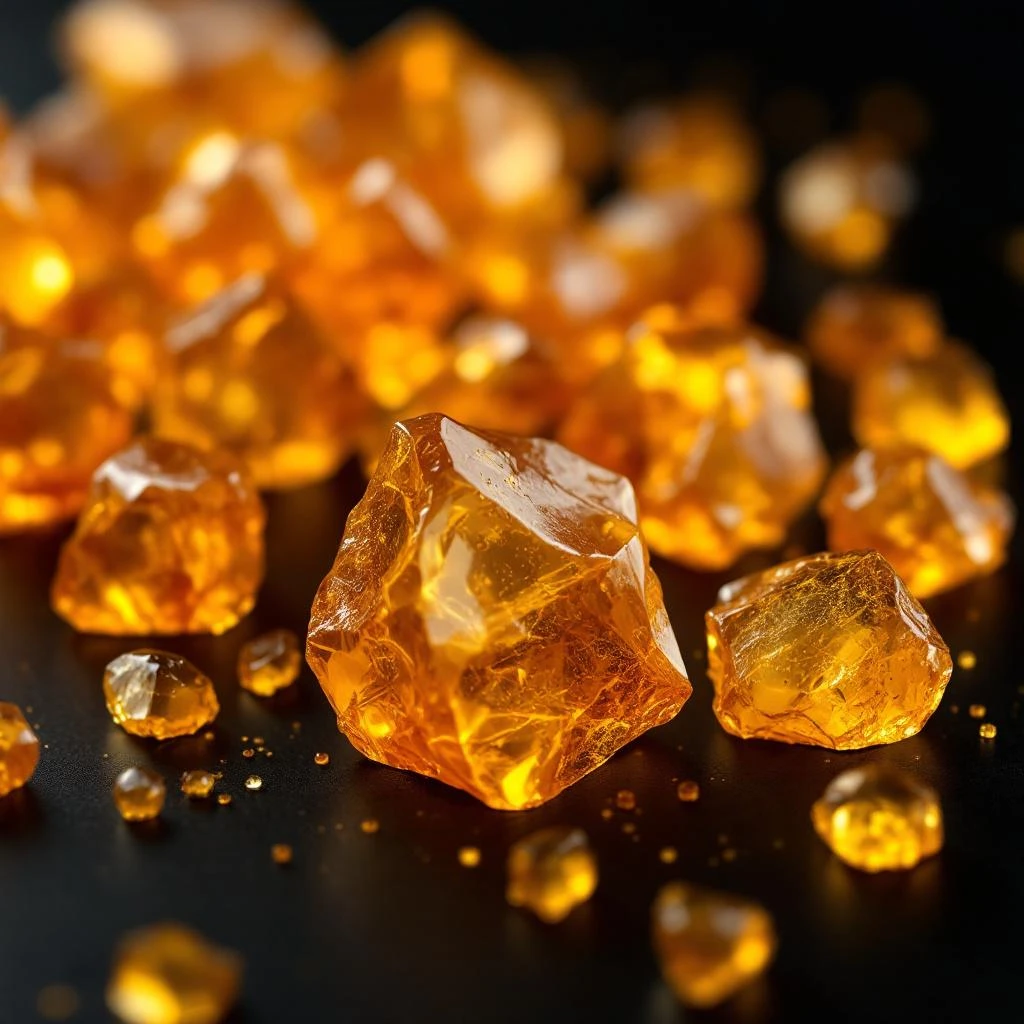
Irish Ambergris
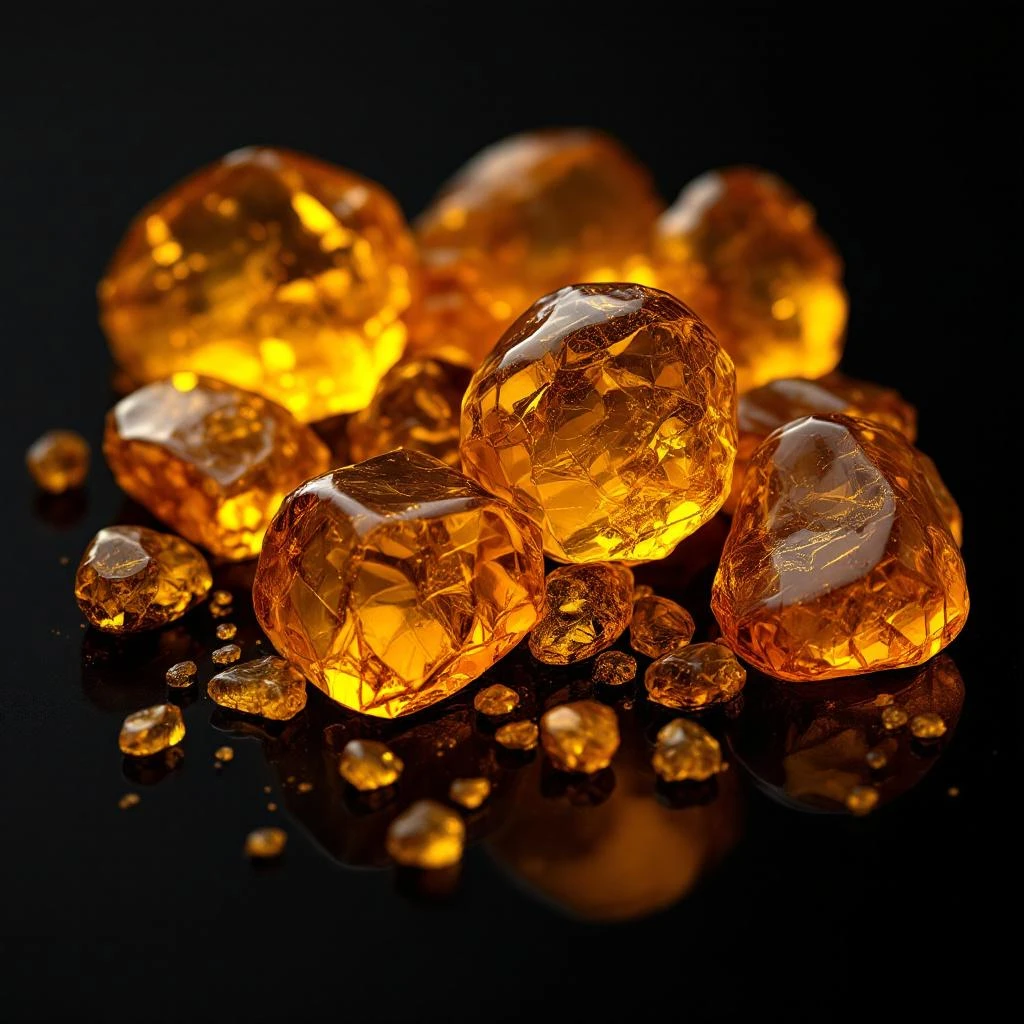
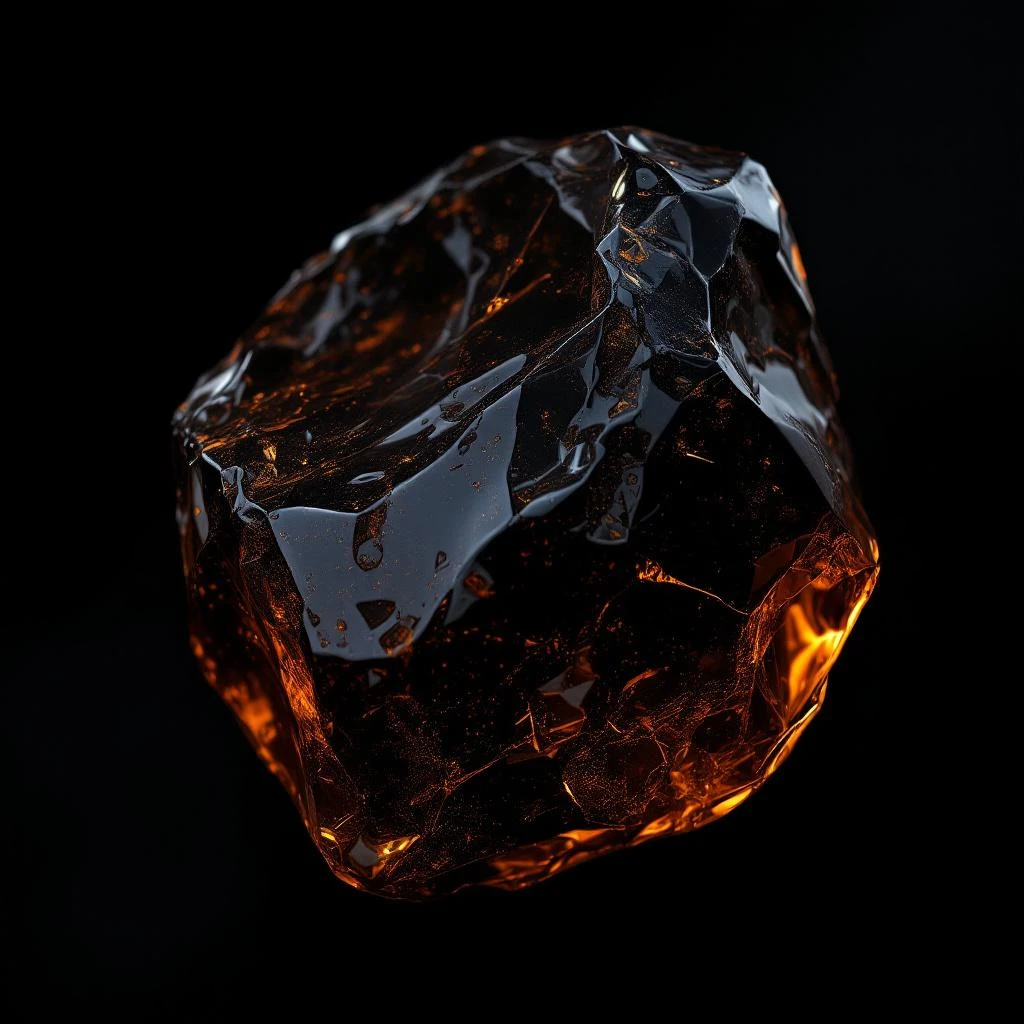
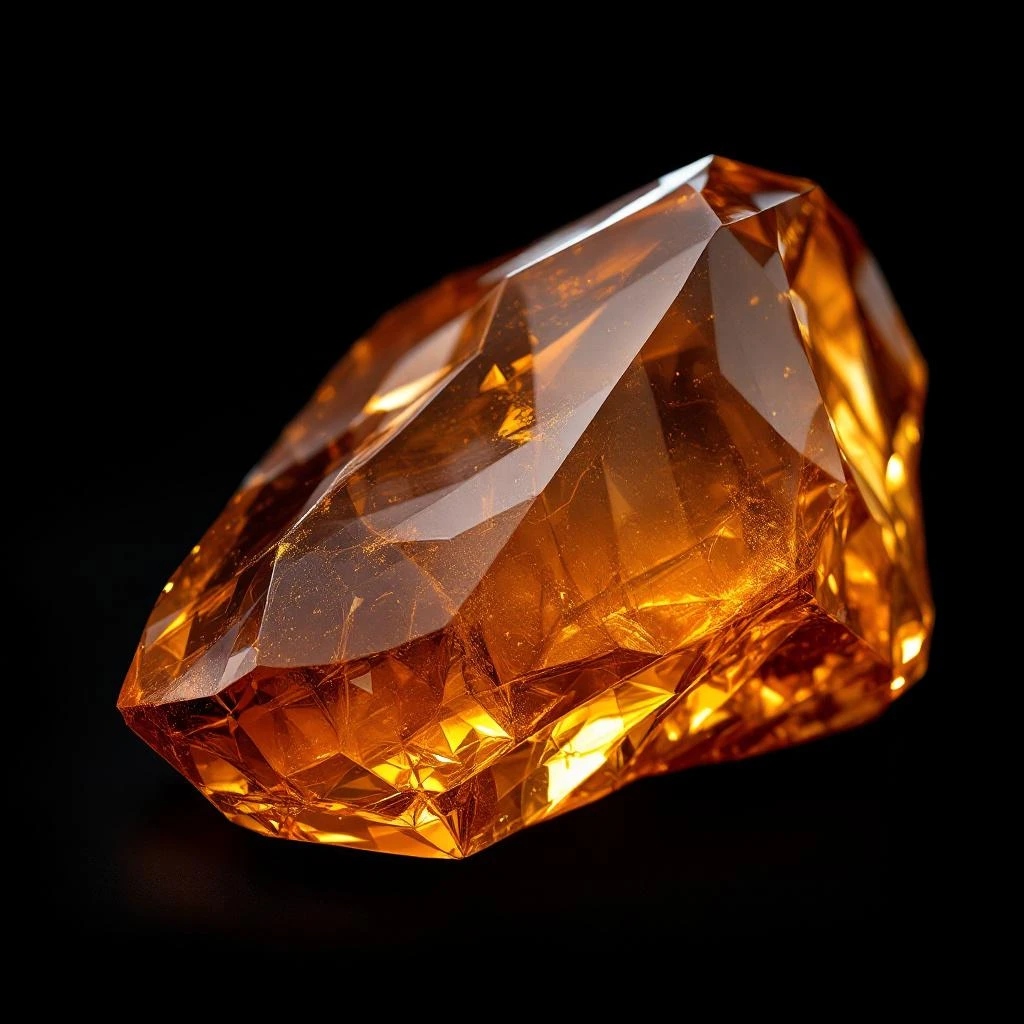
Marine gold from the Atlantic. This rare sperm whale secretion, washed ashore on Ireland's windswept coasts, has enchanted perfumers for centuries as a fixative unlike any other.
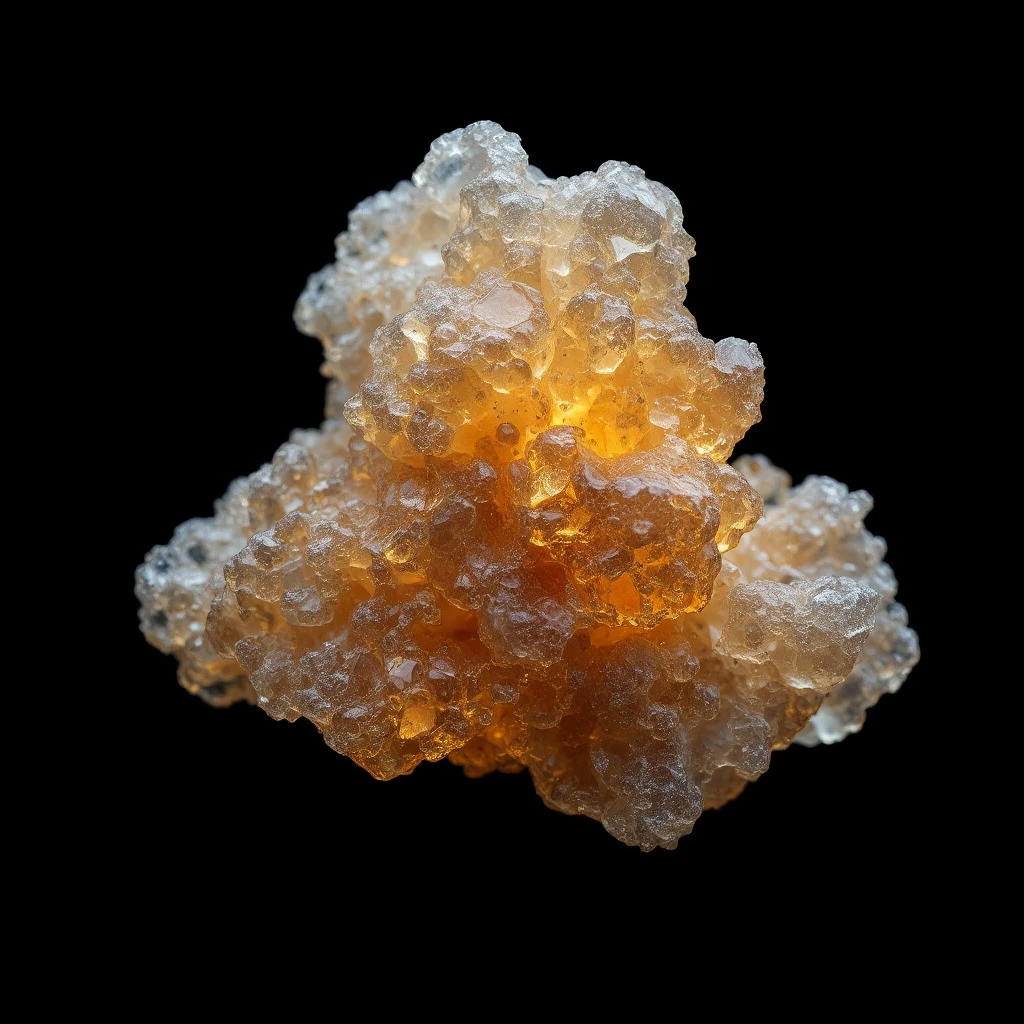
Character
How it smells
Ireland's ocean treasure: the fixative that time forgot.
Sperm whales produce ambergris to protect their intestines from sharp squid beaks they cannot digest. Nature's defensive secretion becomes perfumery's treasure.




Origin
Ireland
The first documented use of ambergris in fine perfumery traces to Arab populations in Spain during the 10th century. These traders recognized something extraordinary drifting from northern waters. By the 17th century, European apothecaries and perfumers prized ambergris as highly as spices from the east. Colonial powers targeted sperm whales partly for this substance, leading to decades of exploitation.
Irish maritime tradition intersected with this trade. The island's western coastline lies along migration routes for sperm whales traveling between the North Atlantic and warmer waters. Local fishers sometimes found the substance tangled in their nets or washed high on storm-tossed shores. The Irish called it by various names, but the recognition was universal: this was something valuable.
While synthetic alternatives now exist, natural ambergris still appears in certain heritage fragrances. Its history connects perfumery to ocean conservation, to the strange biology of deep-diving whales, and to the patient work of time itself transforming something expelled into something precious.
Wears it best
Fragrances featuring Irish Ambergris
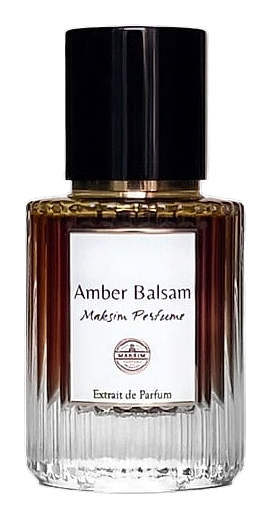
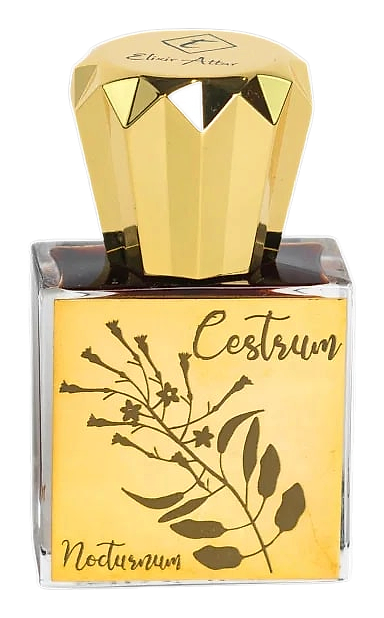
Brands
Brands known for Irish Ambergris
Good to know
Questions, answered
The essentials on Irish Ambergris in perfumery: how it smells, where it comes from, and how it behaves on skin.
How does ambergris form inside sperm whales?
Sperm whales produce ambergris to protect their digestive tracts. When whales swallow squid, the sharp beaks sometimes injure their stomachs. The whales secrete a waxy substance to coat these irritants. The coated mass eventually passes out of the whale.
Does harvesting ambergris harm whales?
No whale dies for ambergris. Sperm whales expel it naturally, usually at depth. Collectors find it floating on the ocean or washed ashore. Modern regulations through CITES govern its trade, and most perfumers use aged stockpiles rather than fresh specimens.
Why do people call ambergris floating gold?
The name reflects extreme rarity and value. A single kilogram has sold for thousands, comparable to precious metals. Its journey from ocean floor to perfume counter takes decades, and finding usable specimens remains nearly impossible.
What chemical compounds give ambergris its scent?
Sea aging converts ambrein into ambrox and ambrinol. These compounds produce ambergris characteristic warm, animalic, marine signature. The exact ratio varies with each specimen, giving natural ambergris a complexity no synthetic has fully replicated.
How does ambergris function in perfume?
Ambergris acts as a fixative. It binds with more volatile fragrance molecules and slows their evaporation. This extends how long a scent lingers on skin. It also adds a smooth, almost velvety quality to the dry-down.
Where does Irish ambergris come from?
Atlantic currents carry it to Irish shores. Sperm whales swim through waters west of Ireland during seasonal migrations. The Gulf Stream and North Atlantic Drift deposit whatever floats eastward onto the island western coastline.
Does ambergris smell like a whale?
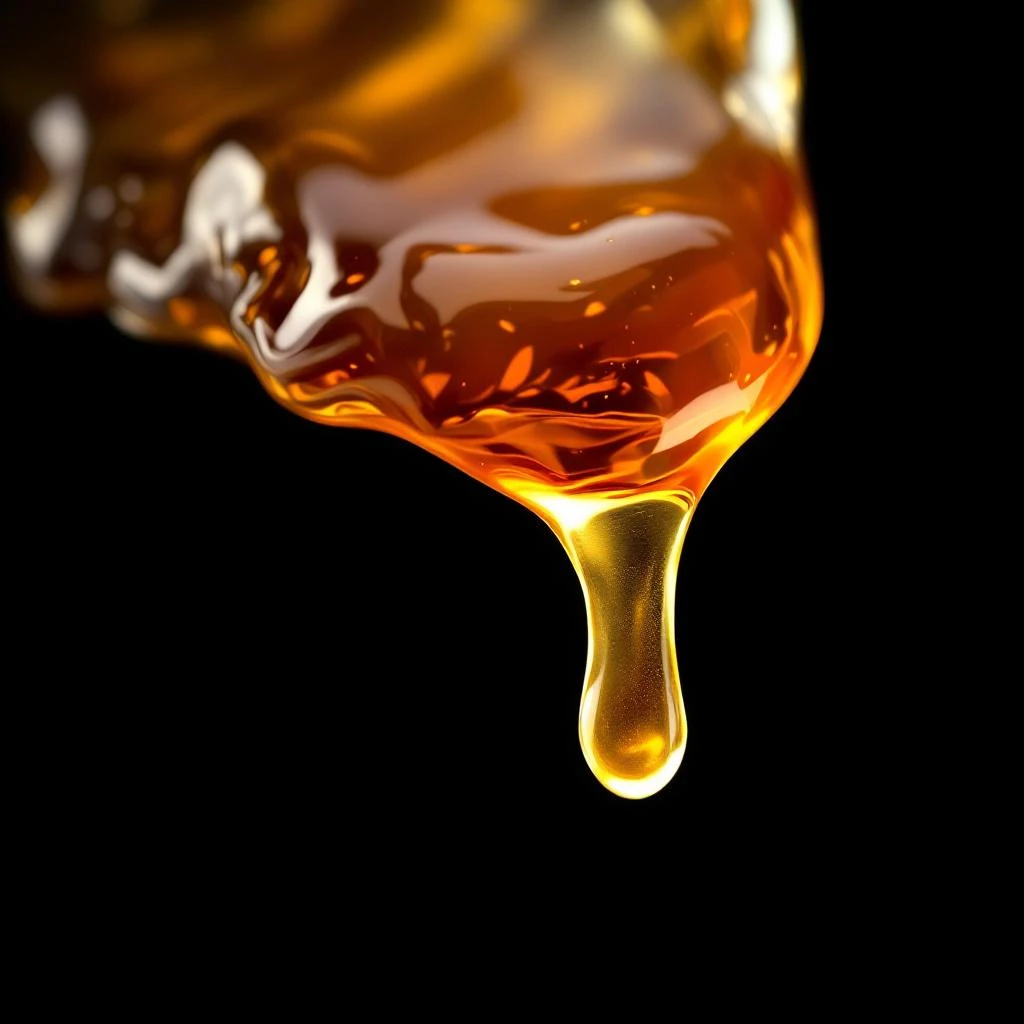
Fresh ambergris smells nothing like a living whale. Only specimens aged for years in seawater develop the prized fragrance. Aged ambergris reveals warm, sweet, and earthy notes reminiscent of the sea, moss, and rare honey.
Is natural ambergris still used today?
Natural ambergris remains extremely rare in modern perfumery. Synthetic alternatives like Ambroxan replicate some qualities. However, a few traditional houses still incorporate genuine ambergris, particularly in haute couture fragrances.