The Story
Why it exists.
The beginning
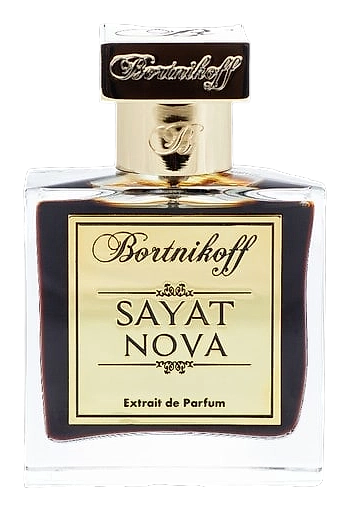
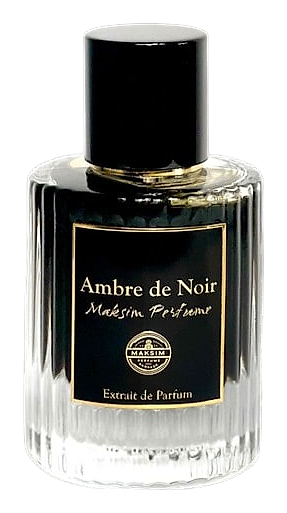
The "Noir" in Ambre de Noir is the tell. Not darker for the sake of it, darker because amber, handled without restraint, becomes something else entirely. The night-bazaar framing sets the scene: spices and smoke, florals cooling in humid air, warmth that doesn't apologize for itself. Maksim Bortnikoff built this as an evening signature, the kind of fragrance that works when the room thins out and what's left matters more than what came before.
What makes the structure unusual is the Irish ambergris. It appears twice in the pyramid, once in the base, once woven into Shamamatul amber attar in the heart, and its function is structural as much as aromatic. Ambergris doesn't just smell good. It holds everything else in place, slowing the evaporation so that the florals and tobacco don't compete but take turns. The tobacco itself is Cuban, which carries a natural sweetness that Thai frangipani and magnolia extend into something almost creamy. Persian saffron threads through the entire composition, lending its signature bitterness to each phase rather than just the opening.
The evolution
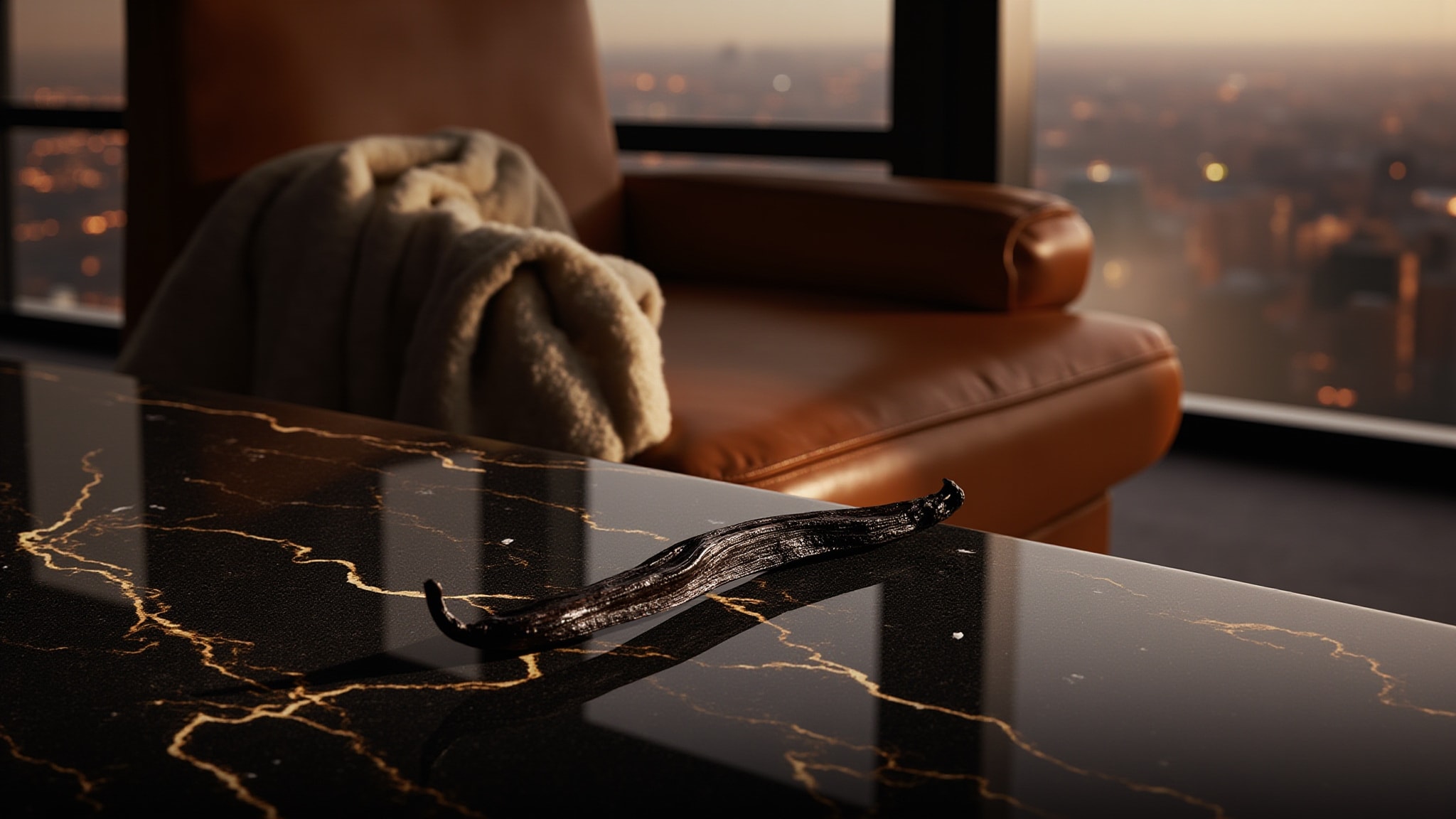
The first minutes belong to saffron and green herbs. That curious bitterness, not sharp, not soft, creates space. Something is about to happen. Within fifteen minutes, the florals arrive: Thai frangipani first, creamy and exotic, followed by magnolia that tempers rather than dominates. The tobacco emerges quietly, earthy and smoky, and for a moment all three compete. Then the ambergris settles in. It doesn't win the argument. It ends it. The composition coalesces into something unified and warm. Over the next several hours, sandalwood and tonka bean soften the edges. Bourbon vanilla adds a velvety, barely smoky finish that stays close, not projecting, not retreating. On fabric, it lingers into the next day. On skin, expect eight to ten hours with a sillage that remains intimate throughout.
Cultural impact
Ambre de Noir taps into the enduring fascination with amber and tobacco as luxury materials dating back centuries to Middle Eastern perfumery traditions. Persian saffron has been prized in perfumery and cuisine across the region for thousands of years, and its inclusion here connects this contemporary release to ancient sensory heritage. The use of Shamamatul amber attar, a traditional Middle Eastern perfumery ingredient, grounds the fragrance in cultural specificity rather than generic orientalism. Irish ambergris adds an Atlantic dimension, referencing the historical transatlantic trade routes that moved luxury aromatic materials across continents.