Philippine Ylang-ylang
From Manila's tropical groves to the world's finest fragrances, Philippine ylang-ylang has scented skin and spirit for generations. This heady blossom yields one of perfumery's most treasured materials.
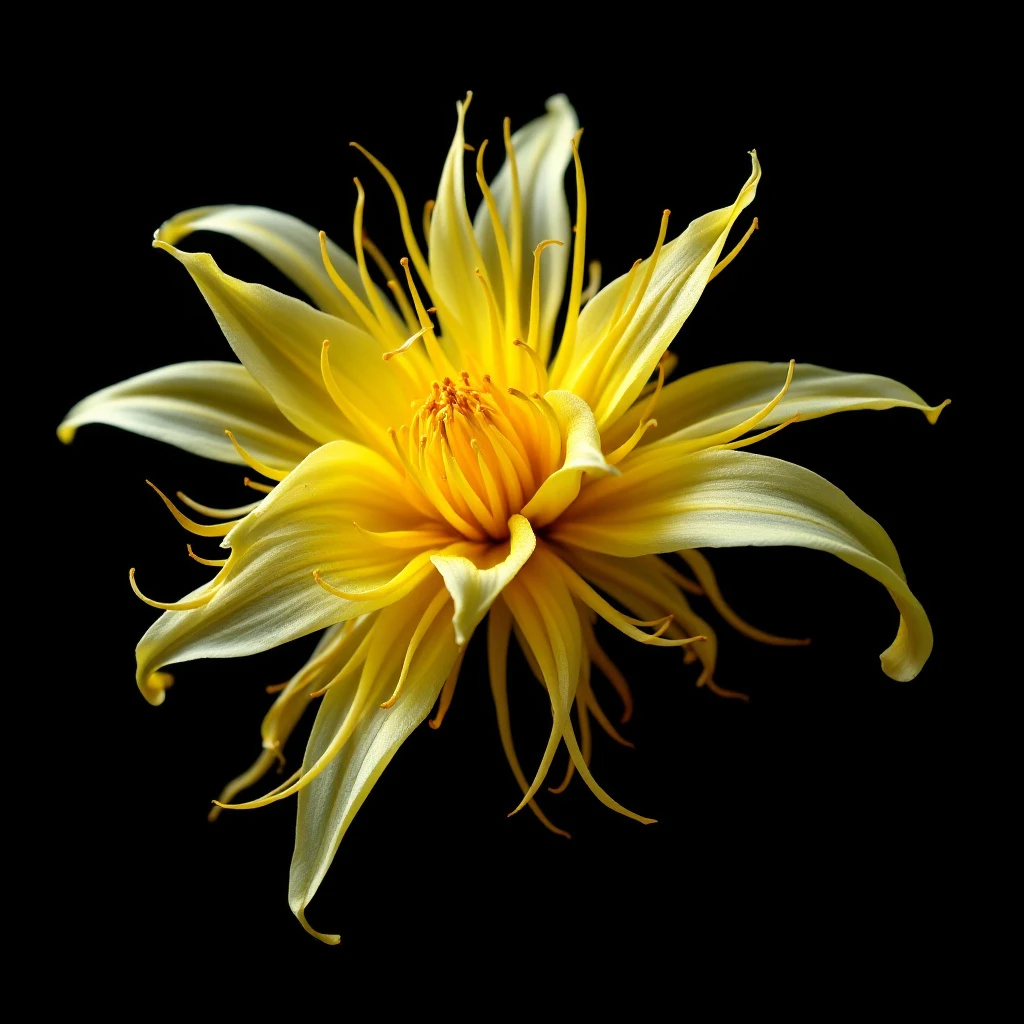
Character
How it smells
The sweet heart of tropical florals, rooted in Philippine tradition.
Manila was the global center of ylang-ylang production from 1860 to 1950, earning the flower the nickname Manila Wood.

Origin
Philippines
The Philippine ylang-ylang industry began in Manila around 1860, launched by Albert Schwenger, a sailor who found himself stranded on Filipino shores. Schwenger recognized commercial potential in the fragrant flowers already woven into local traditions and established the first distillation operations. For roughly fifty years, from 1860 to 1950, the Philippines dominated global ylang-ylang production.
Filipino oil carried the scent of tropical abundance to European perfumers hungry for exotic materials. Colonial trade networks connected Manila to Grasse, shaping both economies. During the 20th century, competition from Comoros and other tropical regions eroded Philippine dominance.
Yet the plant itself remains woven into Filipino culture, its flowers traditionally scattered across beds and worn in hair. The scientific name Cananga odorata reflects the tree's unmistakable presence, while common names like Macassar oil tree trace connections across Southeast Asian maritime history. Today, Philippine ylang-ylang endures as a marker of heritage rather than a global commodity, its story intertwined with colonialism, trade, and the persistence of fragrant tradition.
Wears it best
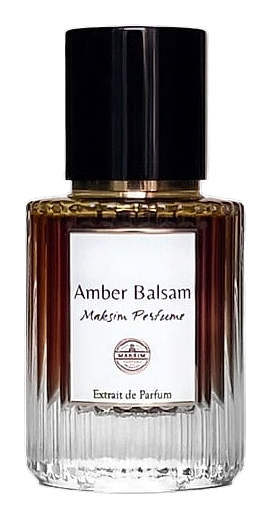
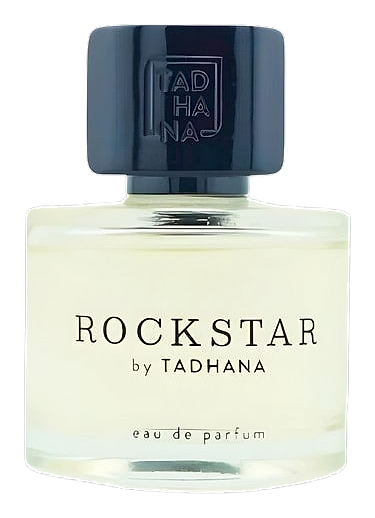
Fragrances featuring Philippine Ylang-ylang

Brands
Brands known for Philippine Ylang-ylang
Good to know
Questions, answered
The essentials on Philippine Ylang-ylang in perfumery: how it smells, where it comes from, and how it behaves on skin.
What is Philippine ylang-ylang?
Philippine ylang-ylang is an essential oil extracted from the flowers of Cananga odorata, a tropical tree native to Southeast Asia. The Philippines served as the global center of ylang-ylang production from 1860 to 1950, and Filipino oil remains prized for its sweet, intensely floral character.
Where does ylang-ylang originate?
Ylang-ylang originates in Southeast Asia, with the Philippines as its historical heartland. The industry began in Manila around 1860. The tree thrives in tropical climates, and Philippine ylang-ylang oil carries distinct aromatic qualities tied to local soil and growing conditions.
How is ylang-ylang oil distilled?
Distillers harvest ylang-ylang flowers by hand before dawn, then process them within hours using hydrodistillation. The flowers simmer in water over direct heat for 15 to 20 hours while steam carries aromatic compounds upward, condensing into separate layers of essential oil and hydrosol.
What are the different grades of ylang-ylang oil?
Four grades exist based on distillation timing. Extra grade arrives first, prized for its radiant top notes. First and Second grades follow, offering richer, more complex character. Third grade completes the process. Perfumery typically blends fractions for balance, while separate grades serve specific functional applications.
What does ylang-ylang smell like?
Ylang-ylang opens with a sweet, intensely floral aroma often described as heady and tropical. Beneath the bright top notes lie creamy, almost banana-like facets with subtle spicy warmth. The dry-down softens into a rich, honeyed warmth that lingers on skin.
Why is Philippine ylang-ylang significant in perfumery?
Filipino perfumers value Philippine ylang-ylang for its bright, sweet floral profile that blends readily into both oriental and floral compositions. The oil ranks among the most important natural raw materials in fine fragrance, adding depth and sensuality to countless classic perfumes.
What does the name ylang-ylang mean?
The name derives from the Tagalog word ilang, meaning wilderness or wild, referencing the tree's natural habitat. The doubled syllable emphasizes the plant's untamed tropical character rather than translating literally as flower of flowers, despite that popular interpretation.
What distinguishes Philippine ylang-ylang from other origins?
Manila established the global ylang-ylang trade around 1860, giving Philippine oil historical prestige. Growers and distillers in the Philippines have refined methods shaped by over a century of continuous production, and many perfumers consider Philippine ylang-ylang to have a sweeter, more radiant floral character than oils from Comoros or Madagascar.





