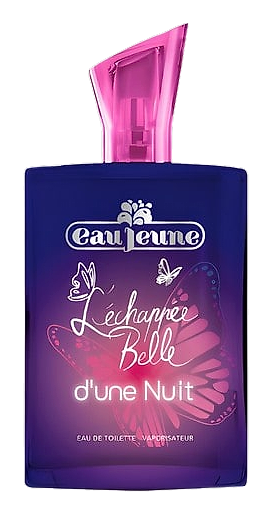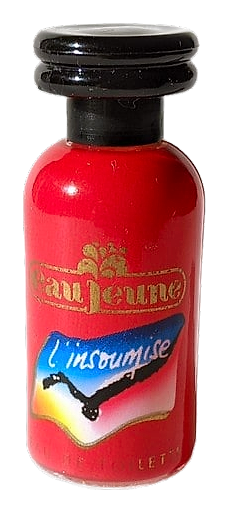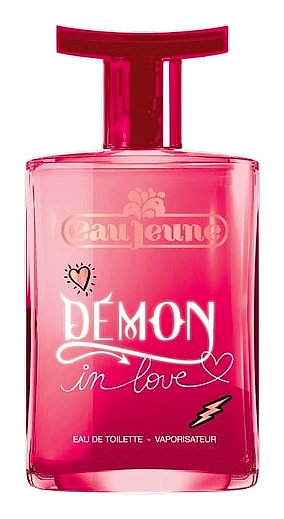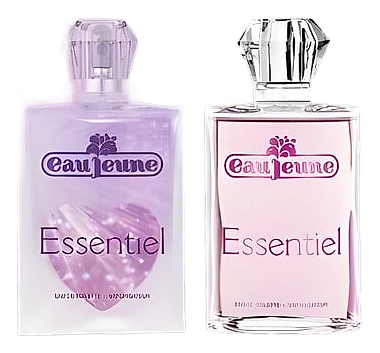
The Story
Why it exists.
The beginning
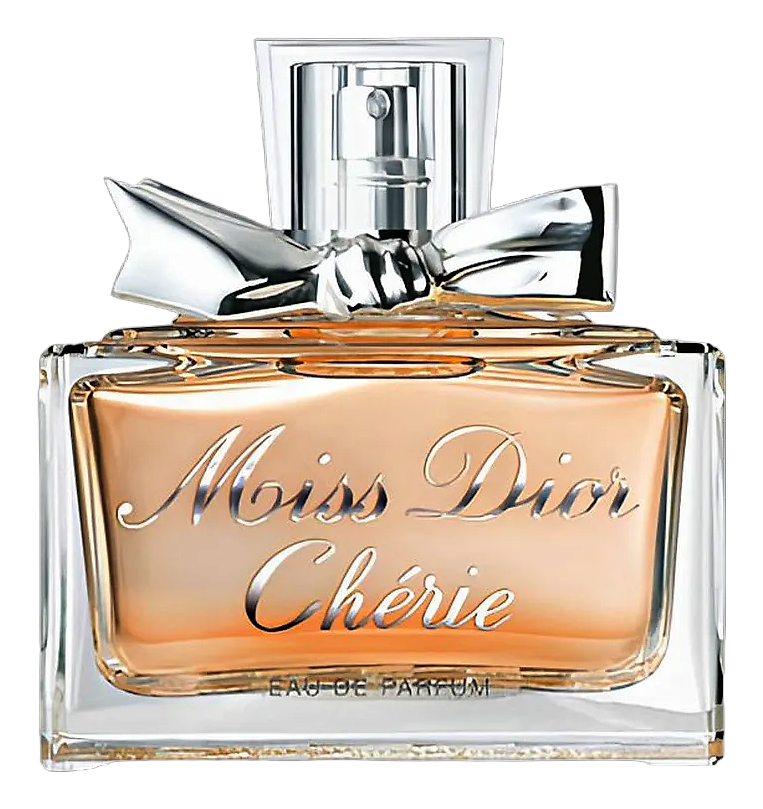
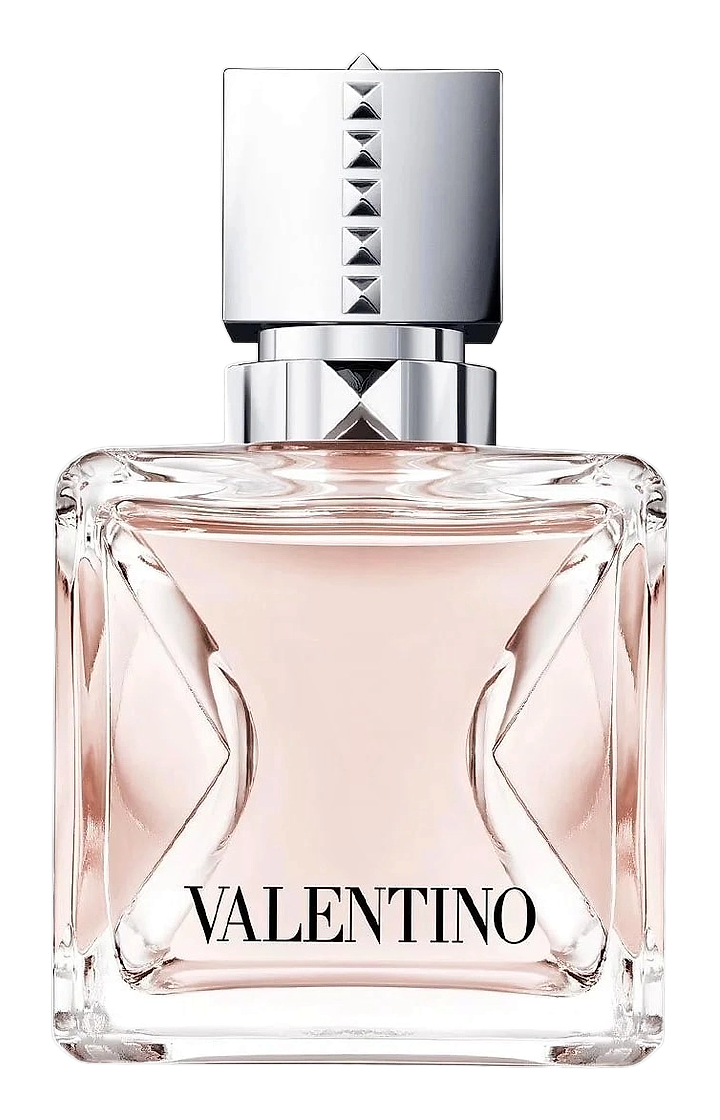
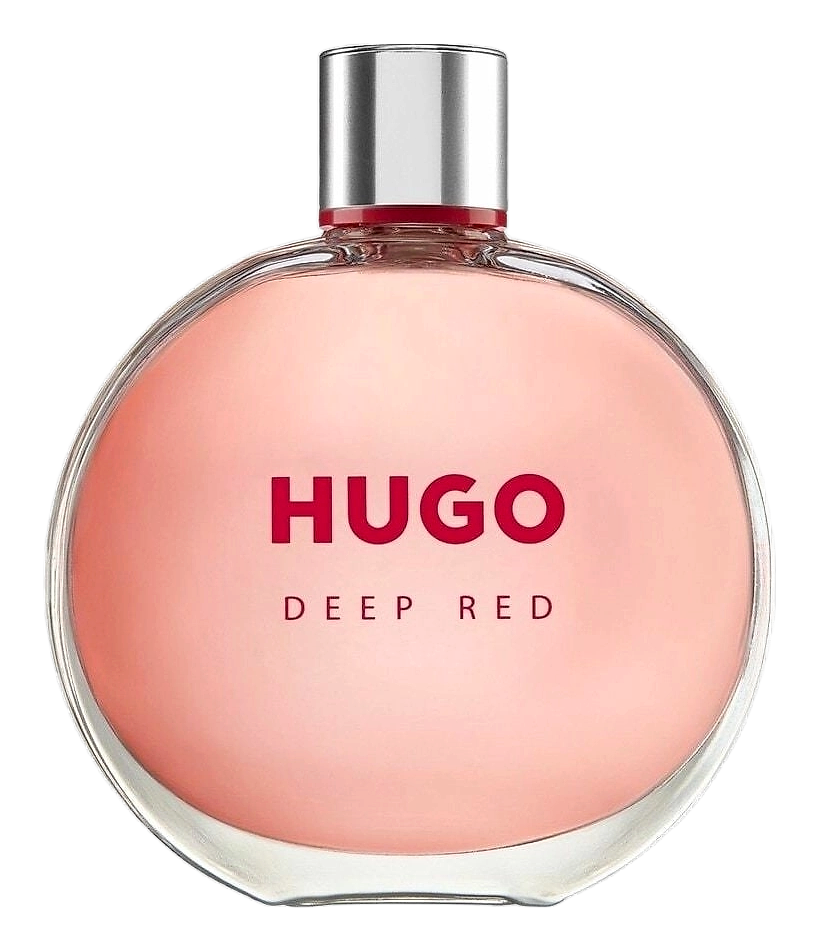
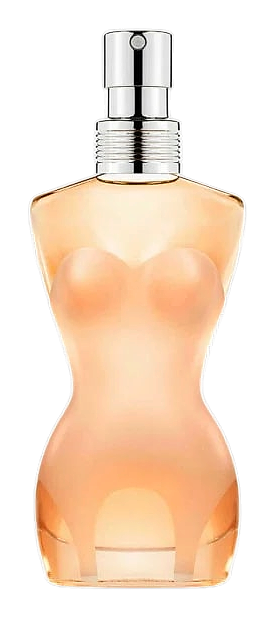
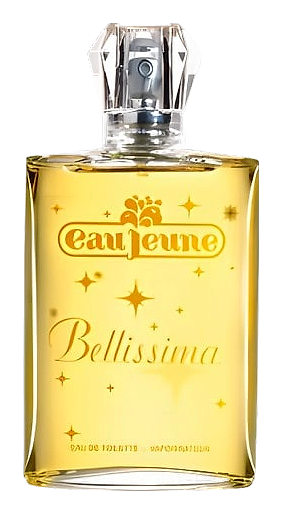
Bellissima arrived in 2007 from the house of Eau Jeune, a French brand that had been quietly bottling everyday refinement since 1977. By the time Beatrice Piquet sat down to compose it, the brand had already built a catalog built on soft, wearable compositions with a feminine, floral signature. The brief, if there was one, leaned feminine, floral, and unmistakably soft. Piquet built the composition around litchi, a note that smells like a peach got caught in a rose garden and decided to stay. Mandarin orange lifts it with a bright, juicy zest that never quite surrenders to the heart. White iris and musk ground it, lending a cool, almost suede-like dryness that keeps the fruit from feeling like dessert. The result is a fragrance that doesn't argue for attention.
The interesting choice here is the restraint. Piquet uses black pepper sparingly, not as a statement but as a quiet rim of warmth that keeps the litchi from drifting into candy. White iris sits in the base, where its cool, rooty powder gets a chance to breathe without being smothered. The musk has something clean to lean against, and the whole composition settles into a softness that feels deliberate. The pepper doesn't bite so much as hum, a low note of heat that rounds out the fruit without flattening it.
The evolution
The first thirty minutes belong entirely to litchi and mandarin, sharp and almost sparkling, like biting into cold fruit on a warm afternoon. The sweetness isn't sugary; it's the watery sweetness of something ripe, almost floral on its own. By the one-hour mark, the mandarin recedes and peony takes over, supported by lily. The composition gets quieter here, less bright and more rounded, the way a room softens after the windows close. The black pepper shows up around the two-hour mark, not as heat but as a faint spice that warms the florals from underneath. Then comes the long phase: white iris and musk, skin-close, powdery without being soapy. It holds that shape for four to six hours, getting closer to the body with every hour. The next morning, on a scarf or a collar, you'll catch a trace of warm iris and clean musk. It's the kind of drydown that makes you wonder if you imagined putting on perfume at all.
Cultural impact
Bellissima lands in a register that feels made for the everyday vanity, the kind of bottle you reach for without thinking about whether the occasion warrants it. It's the sort of scent that ends up on dressers without ceremony, worn by people who buy fragrance for themselves and don't need it to announce anything. The litchi-and-white-iris combination gives it a soft, slightly playful character that suits mornings, commutes, and the kind of low-key afternoons where you want to smell nice but not noticeable.
The House
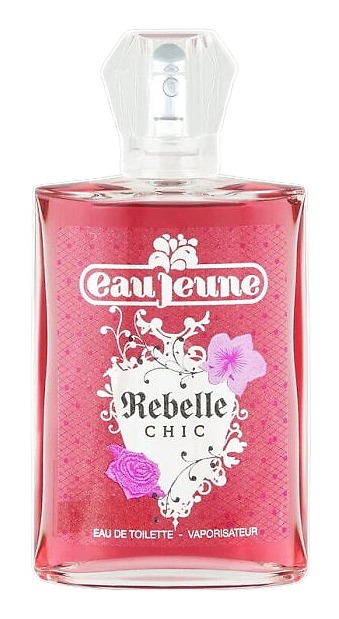
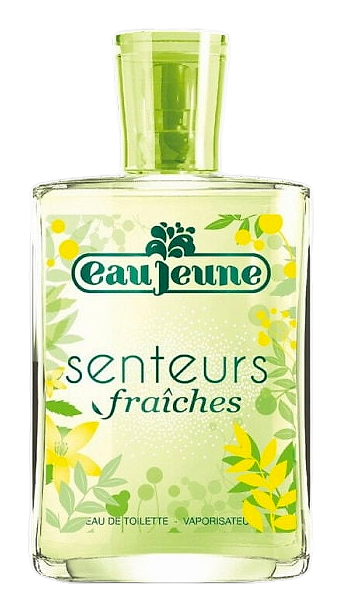
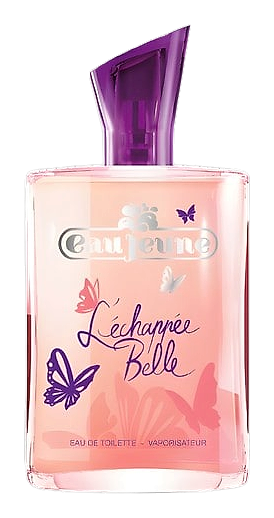
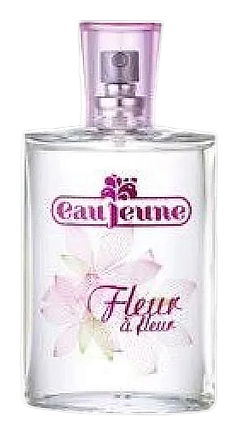
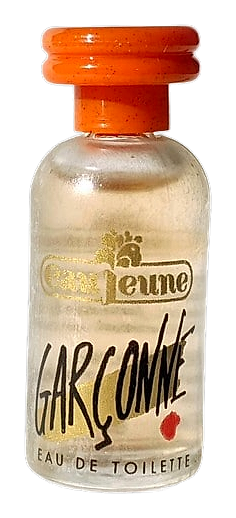
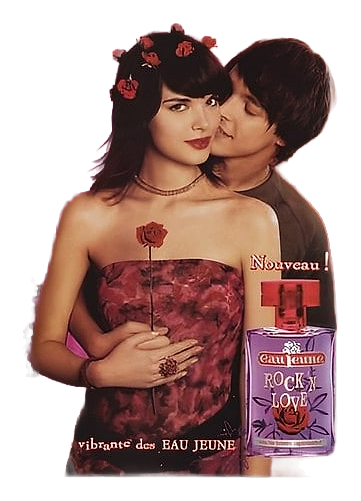
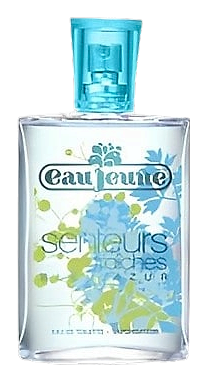
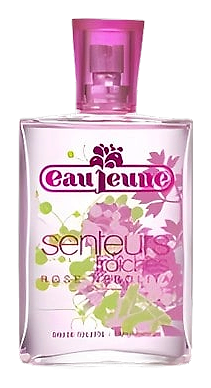
Eau JeuneEau Jeune presents a catalogue that reads like a quiet chronicle of modern French perfumery. Since the late 1970s the house has released scents that balance crisp citrus, subtle florals and restrained woods, inviting wearers to experience everyday moments with a touch of refinement. The brand’s portfolio includes early releases such as Senteurs Fraiches (1977) and later compositions like L'Orientale 2021, each framed by a clear, minimalist aesthetic. Eau Jeune positions itself as a conduit for personal memory, favouring transparent storytelling over overt hype, and it remains a modest yet respected name among niche fragrance enthusiasts.
The Creator
Beatrice PiquetThe signature of Piquet’s work lies in precise structure and daring contrast. She favors crisp top notes such as bergamot, pink pepper, or red berries, then anchors them with warm woods, amber, or resinous bases.