
The Heritage
The Story of Eau Jeune
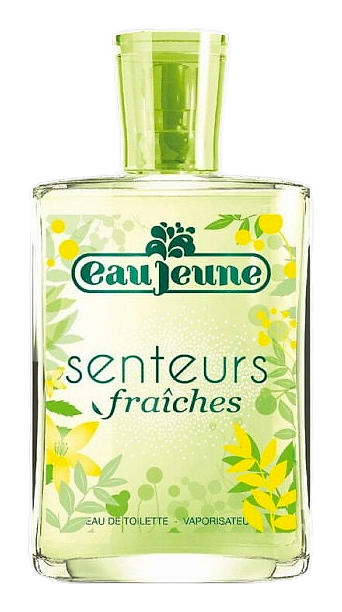
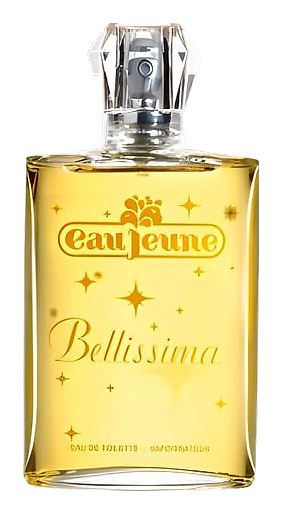
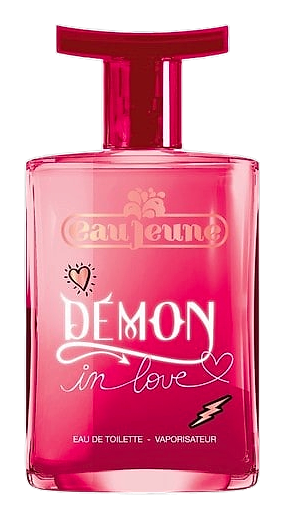
Eau Jeune presents a catalogue that reads like a quiet chronicle of modern French perfumery. Since the late 1970s the house has released scents that balance crisp citrus, subtle florals and restrained woods, inviting wearers to experience everyday moments with a touch of refinement. The brand’s portfolio includes early releases such as Senteurs Fraiches (1977) and later compositions like L'Orientale 2021, each framed by a clear, minimalist aesthetic. Eau Jeune positions itself as a conduit for personal memory, favouring transparent storytelling over overt hype, and it remains a modest yet respected name among niche fragrance enthusiasts.
Heritage
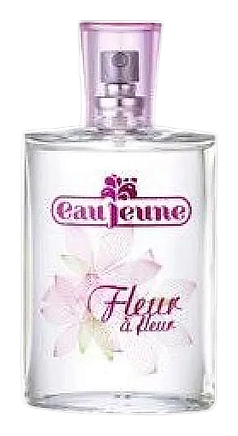
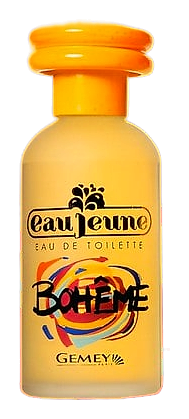
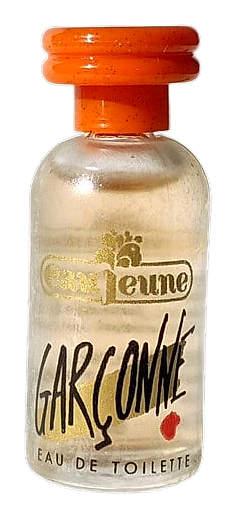
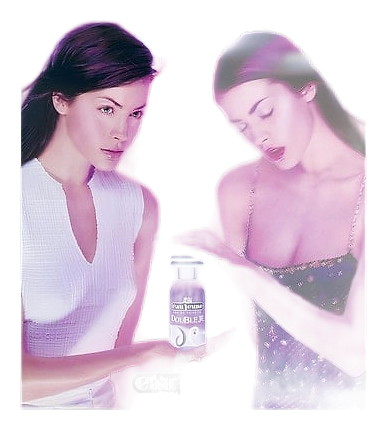
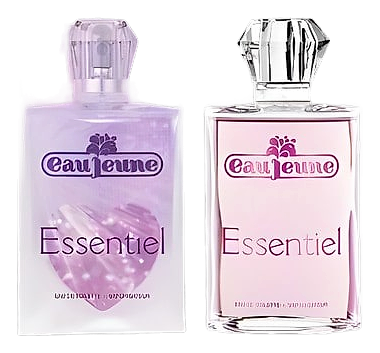
The precise origins of Eau Jeune are not widely documented in mainstream perfume histories, but trade registries list the company as active in France from the late 1970s. Early catalogues show the launch of Senteurs Fraiches in 1977, a fresh citrus‑green fragrance that quickly found a place in boutique selections. By 1982 the house introduced Fleur à Fleur, a delicate bouquet that signaled a shift toward more floral‑centric compositions. The 1990s saw a series of experimental releases: Garçonne (1990) explored youthful gourmand notes, while Bohême (1995) blended spice and amber in a subtle nod to Eastern influences. Double Je (1999) marked the brand’s first foray into dual‑layered scent architecture, a technique that would be refined in later offerings. The new millennium brought Essentiel (2001), a minimalist scent built around a single, high‑purity ingredient, reflecting the growing industry interest in ingredient transparency. In 2007 Delice de Pomme arrived, celebrating crisp apple accords that resonated with the era’s fruit‑forward trend. Bleu Azur (2008) offered a marine‑inspired composition, aligning with the coastal aesthetic popular at the time. The most recent milestone, L'Orientale 2021, combines oud, incense and soft florals, demonstrating the brand’s willingness to engage with contemporary luxury trends while maintaining its restrained signature. Throughout its history, Eau Jeune has remained independent, avoiding large corporate acquisitions, and continues to operate from a modest workshop in the Parisian suburbs, where the original founders’ descendants still oversee production.
Craftsmanship
Production at Eau Jeune takes place in a small‑scale facility that blends traditional French techniques with modern analytical tools. Raw materials arrive from vetted farms in Grasse, Madagascar, Indonesia and the United States, where the house conducts quarterly audits to verify ethical harvesting practices. Natural extracts are cold‑pressed or steam‑distilled to preserve volatile aromatics, while synthetics are sourced from reputable chemical manufacturers that meet REACH standards. The formulation stage relies on a combination of hand‑blending on marble slabs and computer‑assisted volatility modelling, allowing perfumers to fine‑tune the balance of top, middle and base notes. Once a formula is approved, the mixture undergoes a maturation period of three to six months in temperature‑controlled vats, a practice that mirrors the ageing of fine wines and helps integrate complex accords. Quality control includes gas‑chromatography analysis to confirm ingredient purity and blind panel testing with a diverse group of fragrance consultants. Bottling is performed on a dedicated line that fills each 50 ml glass vessel under nitrogen to minimize oxidation. The bottles are sealed with corks sourced from sustainably managed cork oak forests in Portugal, and each is hand‑wrapped in recycled paper. Throughout the process, Eau Jeune records batch data in a digital ledger, ensuring traceability from raw material to finished product. This meticulous attention to detail reflects the brand’s commitment to delivering scents that are both olfactorily consistent and environmentally responsible.
Design Language
The visual language of Eau Jeune mirrors its olfactory restraint. Bottles feature slender, cylindrical glass with a soft matte finish that catches light without glare. Labels are printed on uncoated paper using a single, understated serif typeface, often in a muted charcoal or deep navy hue. The brand’s colour palette draws from natural tones—pale sand, muted teal and warm amber—evoking the ingredients within each fragrance. Caps are crafted from brushed aluminium or sustainably sourced wood, depending on the edition, providing a tactile contrast to the smooth glass. Packaging inserts are concise, offering a brief scent description and a note on ingredient provenance, reinforcing the brand’s emphasis on transparency. In retail settings, Eau Jeune displays its bottles on reclaimed wooden shelves, accompanied by small potted herbs or dried botanicals that reference the fragrance’s key notes. The overall aesthetic avoids flashiness; instead, it aims for a timeless elegance that feels at home in both modern minimalist interiors and classic vanity tables. This restrained visual identity supports the brand’s narrative that fragrance should be an intimate, personal experience rather than a status symbol.
Philosophy
Eau Jeune’s creative outlook rests on the belief that fragrance should echo the rhythm of daily life rather than dominate it. The brand states that each perfume is conceived as a scent‑journal entry, capturing a specific mood or fleeting impression. Sustainability is woven into this vision; the house prioritises ingredients that are responsibly sourced and supports growers who practice low‑impact agriculture. Transparency guides the formulation process, with many releases disclosing the proportion of natural versus synthetic components. Eau Jeune also values quiet collaboration, inviting perfumers to work in a shared studio where ideas can evolve without the pressure of commercial deadlines. This approach fosters a sense of artistic freedom that translates into scents that feel personal rather than generic. The brand’s communication style mirrors its philosophy: clean typography, restrained colour palettes and copy that reads like a friendly note rather than a sales pitch. By keeping the narrative simple, Eau Jeune hopes to let the fragrance itself speak, encouraging wearers to form their own memories around each bottle.
Key Milestones
1977
Launch of Senteurs Fraiches, the brand’s first citrus‑green fragrance.
1995
Release of Bohême, introducing spice and amber accords to the portfolio.
2001
Essentiel debuts, highlighting a single high‑purity ingredient and minimalist composition.
2008
Bleu Azur arrives, offering a marine‑inspired scent that aligns with coastal trends.
2021
L'Orientale 2021 launches, blending oud, incense and soft florals for a contemporary take on Eastern influences.
At a Glance
Brand profile snapshot
Origin
France
Collection
1
Fragrances released
Avg Rating
4.8
Community sentiment
Release Rhythm


