The Story
Why it exists.
The beginning
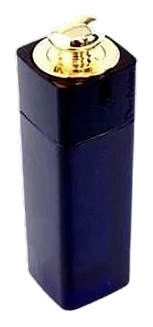
Demon arrived in 1993 with a name that raised eyebrows and a composition that answered them. The opening statement leads with blackcurrant and peach, bold and unapologetic in their presence. Jasmine and vanilla follow, building an argument that refuses to be ignored. The name works because the fragrance earns it. Not through aggression, but through sheer presence. The timing made it interesting. Demon distinguished itself through its contrasts. Tart fruit against warm florals. Sweet against indolic. This was a scent that arrived and occupied space, refusing to disappear into the background of the category it entered.
The note structure unfolds in clear stages: blackcurrant and peach open the composition, jasmine and lily of the valley form the heart, vanilla and musk anchor the base. But the interplay is what matters. Blackcurrant brings a tart, assertive quality that commands attention. It doesn't whisper. Peach softens it, adds body, makes the opening readable as sweet rather than acidic. Together they create an entrance that commands attention without screaming. The heart is where Demon earns its reputation. Jasmine is warm, slightly indolic, unapologetically feminine in its character.
The evolution
The opening hits sharp. Blackcurrant's cassis note asserts itself immediately, tart and distinctive, with that recognizable edge that makes blackcurrant unmistakable. Peach sits underneath, adding sweetness and body. The florals begin to arrive as the fruit notes gradually recede. Jasmine pushes through, warm and slightly indolic, taking space from the fruit. Lily of the valley adds its green, dewy quality, softening the jasmine's warmth. The transition isn't dramatic. It's more like watching someone settle into a room and realize they've always belonged there. As time passes, the vanilla begins its contribution to the composition. The composition shifts from floral-warm to sweet-warm. The musk amplifies this, skin-close, intimate, the kind of sillage that someone standing next to you will notice but the rest of the room won't.
Cultural impact
Demon exists in an interesting space: 1993, French mass-market, fruity-floral-gourmand. What distinguishes Demon is the boldness of its contrasts: tart fruit against warm florals, sweet against indolic. It's not subtle, and it doesn't try to be. Wearers who connect with it tend to connect deeply. Those who don't often cite the sharpness of the blackcurrant or the warmth of the jasmine as reasons to pass. The fragrance stands apart through its willingness to embrace presence rather than background quietness.