The Story
Why it exists.
The beginning
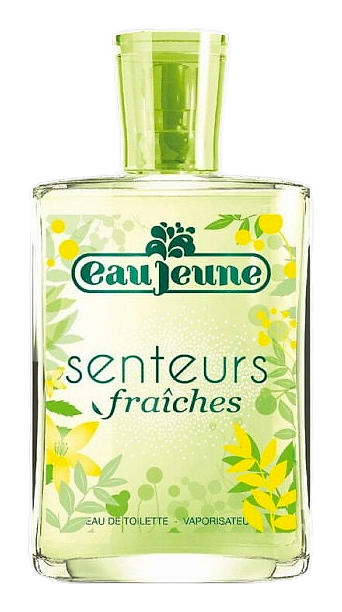
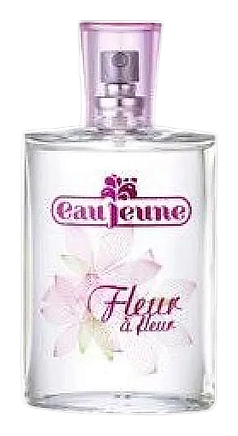
Eau Jeune emerged in the late 1970s as a modest French house content to chronicle everyday sensory moments rather than chase industry accolades. The brand's early work explored citrus and green territories, creating quiet scent-journal entries that resonated with wearers seeking restraint over extravagance. By 1982, they attempted something structurally unusual: a fragrance that would function as a single, sustained note rather than a narrative arc. Fleur à Fleur was distilled into white florals only, dropping the pretense of opening choreography entirely. The perfumer working within the Eau Jeune ethos chose to let Magnolia carry the opening weight while Honeysuckle, Jasmine, and Tiare Flower completed a heart that never intended to leave.
Eau Jeune approached the heart-only structure of Fleur à Fleur with the brand's signature quiet restraint. By eliminating opening and drydown chords, the house made a philosophical choice: some moments bloom fully from the start and never ask the wearer to wait for beauty. The Magnolia-Honeysuckle pairing establishes immediate brightness, while Jasmine adds necessary depth to prevent the composition from reading as naive. Tiare Flower functions as both blender and amplifier, its coconut-adjacent creaminess unifying the indoles and creating a velvety finish that holds everything together.
The evolution
Fleur à Fleur opens with Magnolia immediately present, its waxy greenness paired instantly with Honeysuckle's honeyed sweetness. These two create the luminous entry point, a sunlit garden moment that arrives without preamble. Jasmine then layers in, its indolic depth adding roundness and just enough nocturnal warmth to distinguish this white floral from a simple bouquet. Tiare Flower finishes the quartet, its Polynesian gardenia creaminess smoothing the indoles and giving the composition a tropical float. From this point, the fragrance simply sustains. There is no dramatic heart-to-base transition, no wood or amber arrival. Magnolia softens and becomes more buttery. Honeysuckle loses its eager sweetness and settles into quiet honey. Jasmine rounds into translucent floracy. Tiare Flower, slightly warmest and most persistent, lingers longest as the final breath of the composition. The arc is flatness as a feature, not a flaw.
Cultural impact
Since its 1982 debut, Fleur à Fleur has become a quiet favorite among vintage collectors, prized for its understated garden vibe. Wearers often cite it as a nostalgic reminder of early-80s French perfumery, and it occasionally appears in retro scent swaps alongside other Eau Jeune classics.