The Story
Why it exists.
The beginning
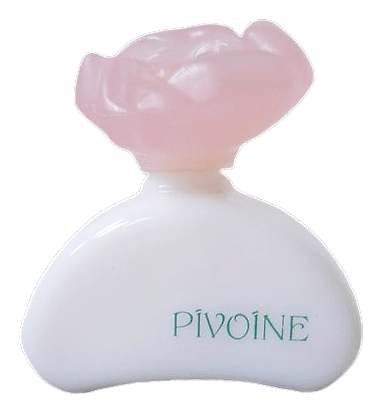
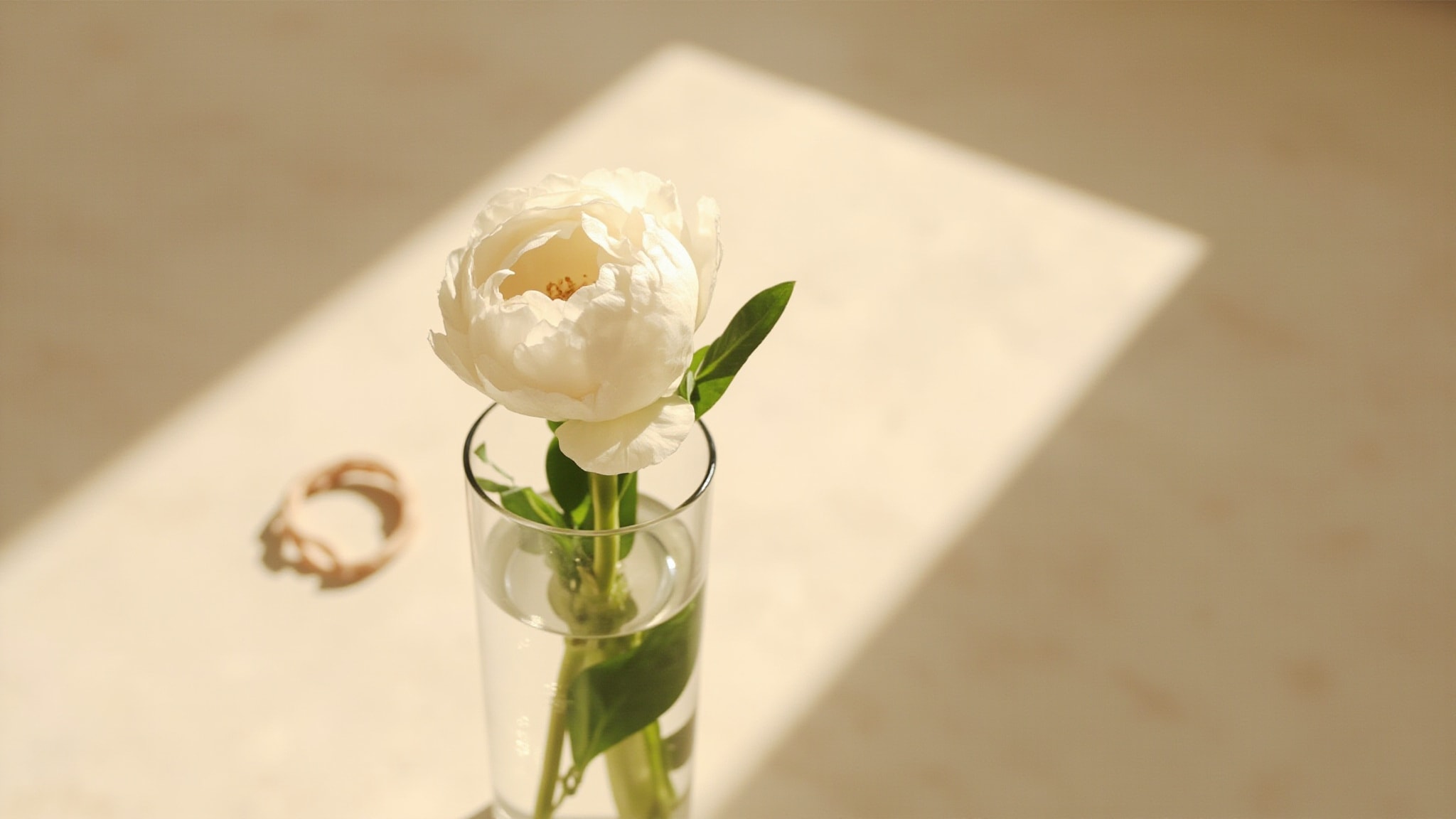
In 1993, Yves Rocher looked at the peony, showy, ruffled, and decided it deserved a fragrance of its own. Not a supporting note. Not a footnote. The whole flower, distilled. The house had built its identity on botanical honesty, on ingredients pulled from the earth rather than constructed in a lab. Pivoine was the logical extension of that philosophy: a soliflore that let the bloom speak without embellishment. The result captures the flower at its most expressive, the lush layers of petals rendered in scent form, soft yet assertive, with a natural sweetness that feels both delicate and generous. Every element serves the peony, nothing competes, nothing distracts from that central vision of what the flower can be when given room to breathe.
What makes the structure interesting is the tension between freshness and softness. Peony alone can read flat, rosy water, nothing more. Here, mandarin orange cuts in at the top to give the petals immediate brightness. Carnation adds a spice that keeps the floral from going static. The powder arrives later, earned rather than imposed. It's a composition that trusts the flower enough not to overpower it.
The evolution
The opening hits clean and green, mandarin zest bright against peony's natural sweetness, like sunlight through petals. Thirty minutes in, the carnation warmth arrives, and the freesia lifts the heart into something more complex than a simple soliflore. Then the drydown: powdery softness, the lily of the valley extending the bloom's last breath. The fragrance settles close to the skin, leaving a faint trace the following day, like flowers pressed between pages. The peony remains the star throughout, its character evolving from bright and sparkling in the opening to rounded and intimate as the hours pass. Each phase flows naturally into the next, creating a coherent narrative from first spray to final fade.
Cultural impact
Pivoine occupies a specific corner of 1990s French perfumery, the heritage house taking a botanical ingredient seriously. Discontinued now, it persists in secondhand markets and fragrance communities as a quiet reference point for what a peony fragrance can do when it's not trying to be anything else. It stands as an example of restraint in perfumery, showing that a single flower can command attention without needing elaborate support. For those who encounter it, the scent offers a particular kind of elegance that feels timeless rather than dated.