The Story
Why it exists.
The beginning
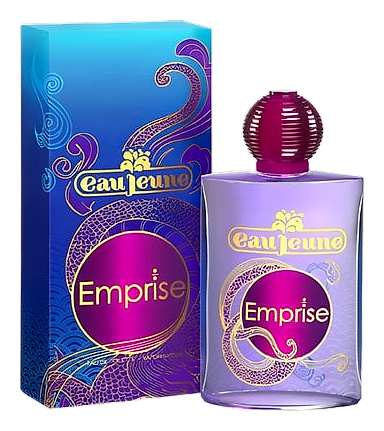
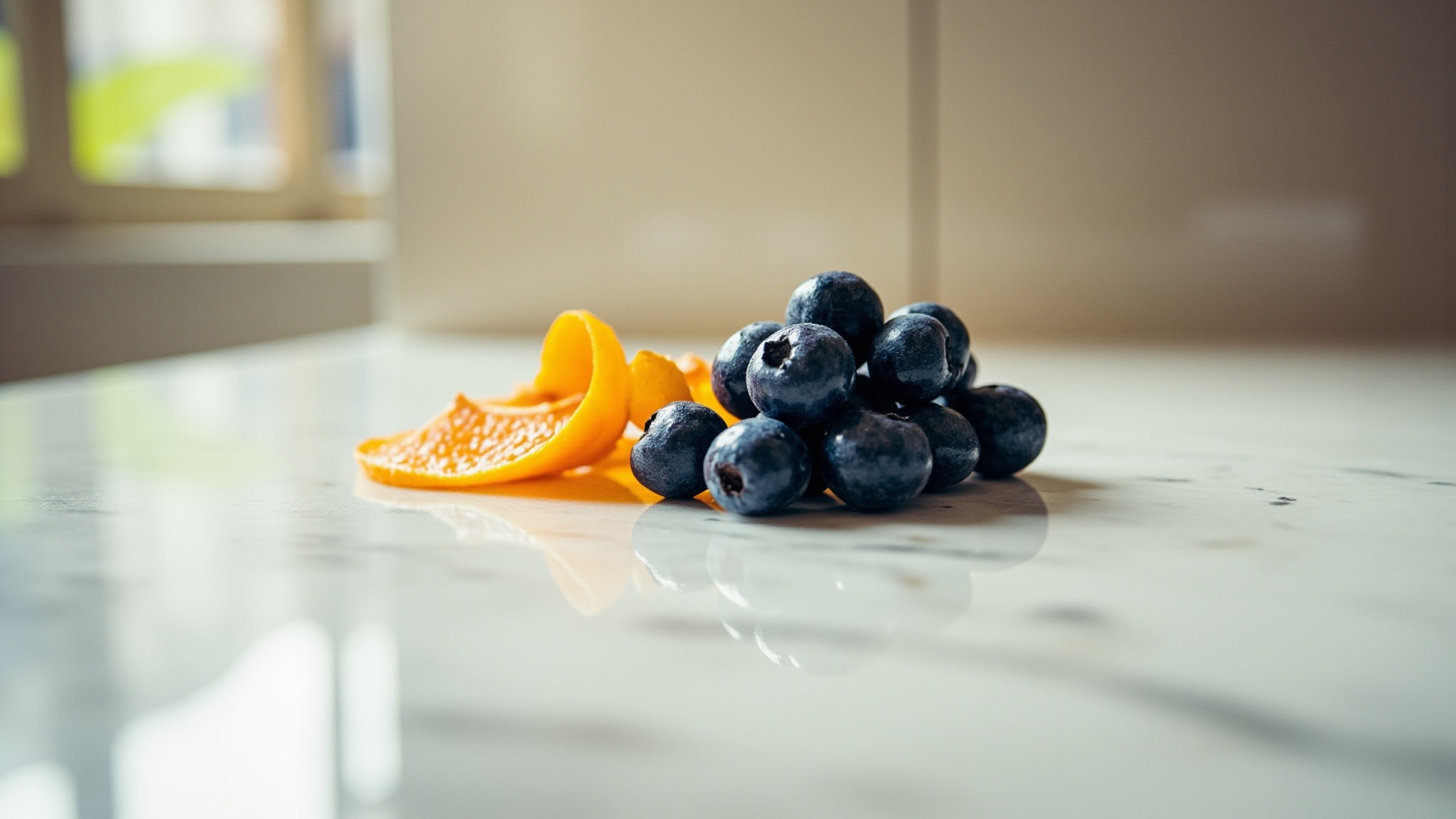
Emprise arrived in 2010 with a take on femininity, sensuality and the kind of allure that doesn't wave a flag. Its documented note structure is compact but clever: bergamot, mandarin orange and blueberry establish a bright, fruity entrance, while freesia brings the floral lift. Patchouli then pulls the composition toward earth and depth, and its Oriental Floral classification captures the meeting point between those contrasting elements. Nothing here demands attention through sheer volume. The appeal sits in contrast, like polished shoes paired with a private joke. As the citrus and fruit gradually give way to floral air, patchouli and warm woody notes, Emprise catches a moment of confident femininity without making the moment feel staged.
The striking part is how berry sweetness meets patchouli earth. Blueberry makes the opening playful and edible, but patchouli keeps it from becoming a simple fruit scent. Freesia supplies an airy floral passage between those poles, while cedar and amber give the final composition a measured warmth. Bergamot and mandarin orange sharpen the start with citrus energy, their sharper character briefly enlivening the juicy fruit before softer floral notes emerge. The result walks between fresh, fruity, floral and earthy registers without settling into just one mood. That's the point.
The evolution
The first impression is swift and bright, built around citrus and blueberry. On skin, that fruitiness can read almost like a fresh berry chilled with citrus peel, polished rather than sugary. As the heart arrives, freesia lifts the composition and patchouli introduces a darker, more tactile layer. This is the surprise in the arc: the scent briefly stops behaving like a polished floral-fruity daytime perfume and takes on a grounded, slightly smoky earthiness. Virginia cedar and amber then provide warmth and structure, though some sources also list musk and vanilla in the base, adding further softness around the woody notes. As wear progresses, the opening gives way to a gentler floral-earthen impression, with sweet fruit, warm woods and patchouli lingering together rather than one note taking over. The exact duration varies with wear and interpretation.
Cultural impact
Emprise fits within Eau Jeune's register of accessible French refinement, where fragrance accompanies daily life rather than overwhelming the room. Its berry-and-patchouli pairing gives that understated character a more distinctive edge, appealing to wearers who want something feminine, sweet and composed with a little extra attitude. The movement from citrus and blueberry into freesia, earth and warm woods also gives the fragrance an identity built around contrast rather than spectacle.
The House
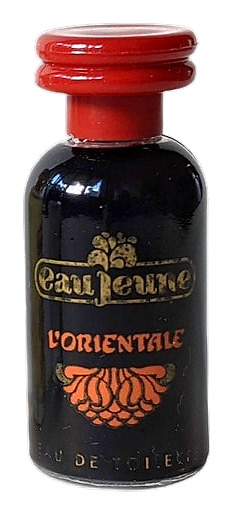
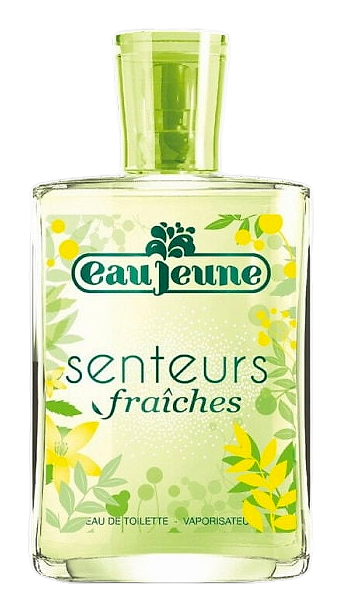
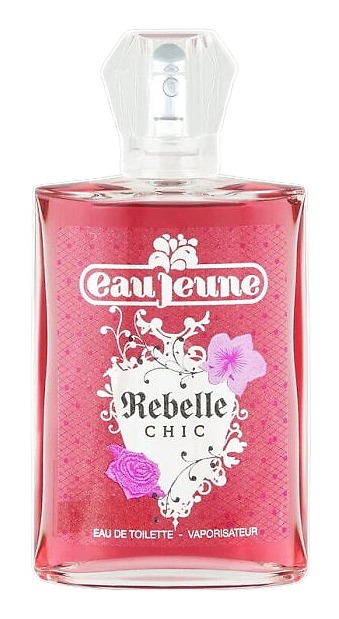
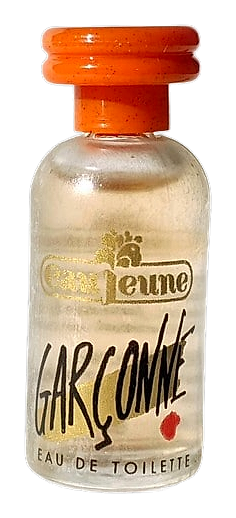
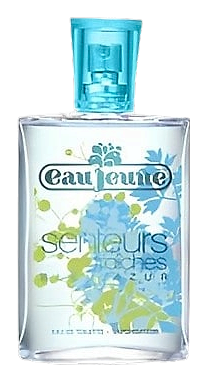
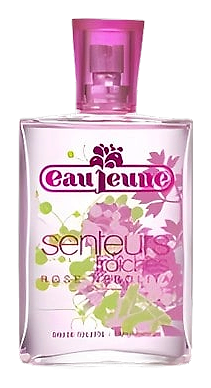
Eau JeuneEau Jeune presents a catalogue that reads like a quiet chronicle of modern French perfumery. Since the late 1970s the house has released scents that balance crisp citrus, subtle florals and restrained woods, inviting wearers to experience everyday moments with a touch of refinement. The brand’s portfolio includes early releases such as Senteurs Fraiches (1977) and later compositions like L'Orientale 2021, each framed by a clear, minimalist aesthetic. Eau Jeune positions itself as a conduit for personal memory, favouring transparent storytelling over overt hype, and it remains a modest yet respected name among niche fragrance enthusiasts.
The Creator
Lucas SieuzacHis signature combines French classical training with a restless experimental streak. Sieuzac favors bold contrasts, layering unexpected elements to create fragrances that feel both refined and rebellious.