The Story
Why it exists.
The beginning
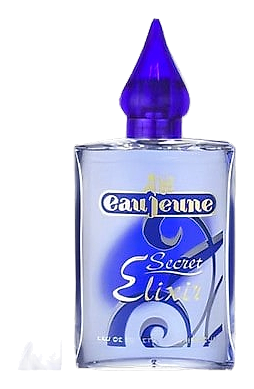
Secret Elixir arrived in 2008 from the perfumer Sophie Labbé, a nose with a reputation for building compositions that feel more like a mood than a statement. Eau Jeune had spent decades working in a register most French houses had quietly moved away from: clean florals with substance, compositions designed to be worn rather than admired on a strip. This one sits squarely in that lineage. The name promises secrecy. The juice keeps its word.
What makes Secret Elixir distinctive is the balance Labbé found between brightness and gravity. Kumquat and citron give the opening a sparkling, almost edible lift, but jasmine and rose in the heart pull it back to something grown and floral rather than fruity-sweet. The sandalwood and vanilla base are warm without going gourmand. It's a composition that reads on the warm-spicy and powdery axes simultaneously, a fairly unusual place to land for something this approachable.
The evolution
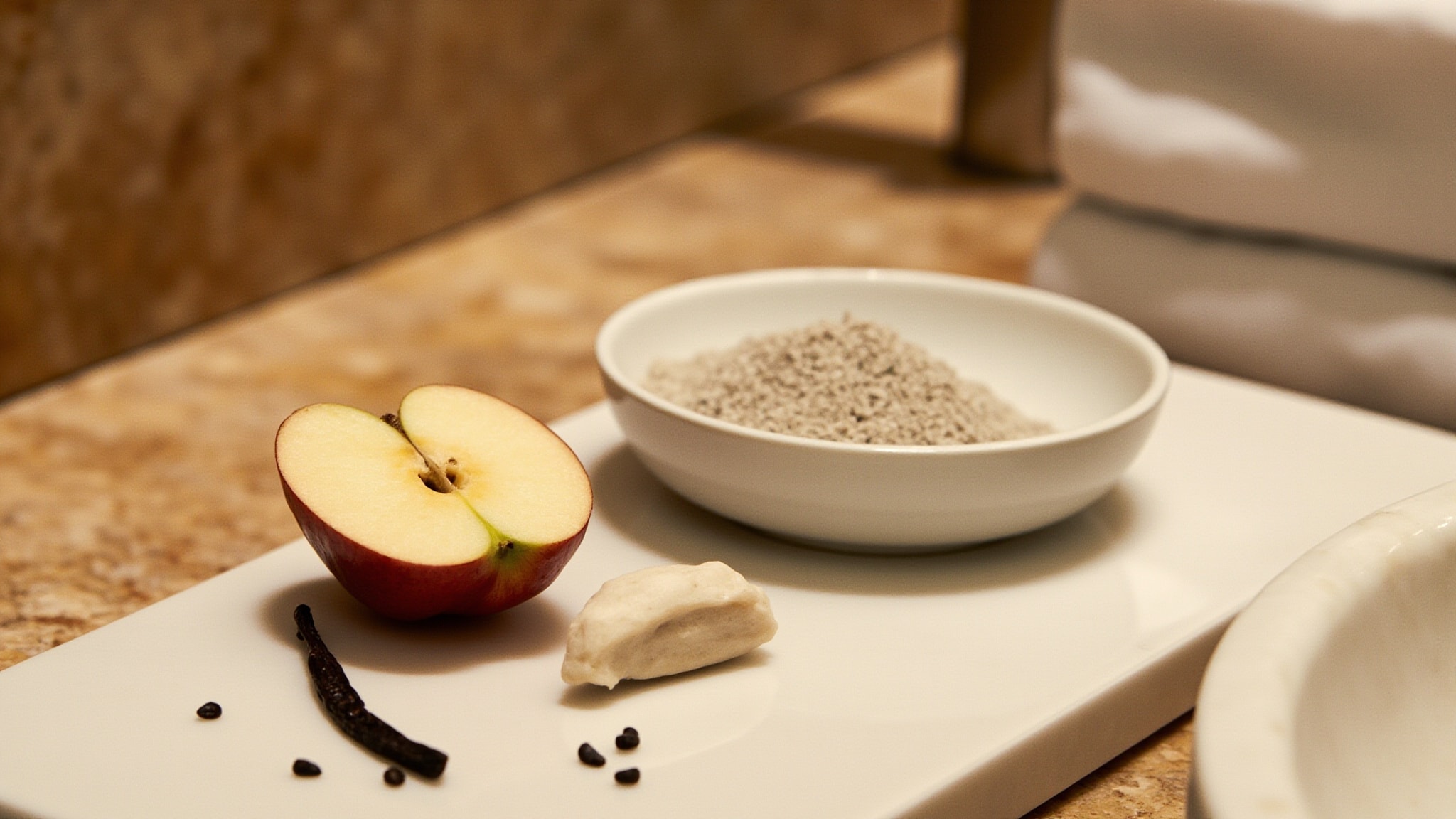
The first fifteen minutes are where Secret Elixir announces itself, and it does so with a kind of polite insistence. Citron brings the bright snap, red apple rounds it out with something almost edible, and kumquat ties a small ribbon around the whole opening. It's crisp, a touch chilly, the olfactory equivalent of crisp October air. Then comes the handoff, and it's surprisingly quick. Within thirty minutes the jasmine has taken over, freesia softening the edges, and rose lending just enough darkness underneath to keep the composition from reading as simply sweet. The florals don't bloom so much as settle in, like someone letting out a long breath. By the third hour the drydown has fully arrived: sandalwood and Virginia cedar providing a dry, slightly creamy woodiness, vanilla warming the base from underneath. Nothing about the close is loud.
Cultural impact
Secret Elixir reflects the late-2000s mainstream fragrance culture, when accessible French floral scents were often positioned as versatile personal signatures rather than statement-making niche compositions. Its citron, kumquat, and red apple opening connects to the period's appetite for bright, fruit-led freshness, while jasmine, freesia, rose, sandalwood, cedarwood, and vanille place it within a familiar clean-floral-woody register. The combination also illustrates how everyday scent layering and office-friendly projection became important ideas in fragrance marketing. Its moderate diffusion and roughly 4-6 hour wear time make it culturally legible as a practical daily fragrance, while the warm base gives the fruit profile a more polished character.
The House
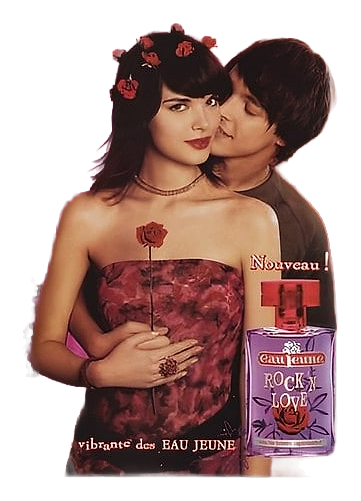
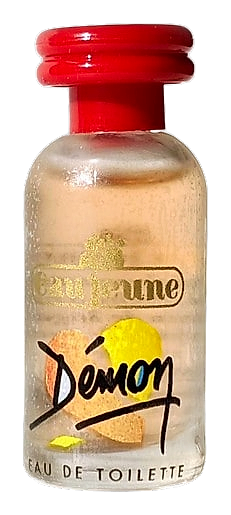
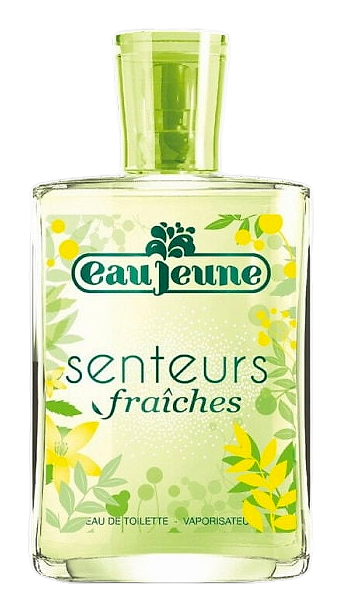
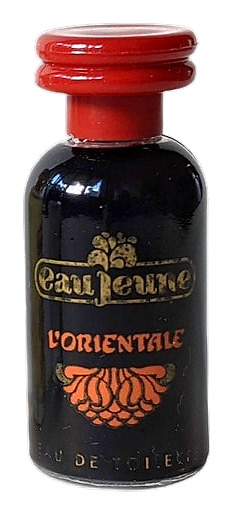
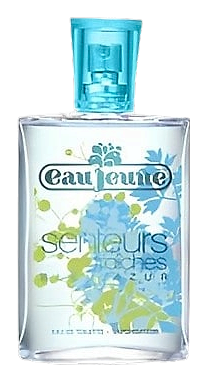
Eau JeuneEau Jeune presents a catalogue that reads like a quiet chronicle of modern French perfumery. Since the late 1970s the house has released scents that balance crisp citrus, subtle florals and restrained woods, inviting wearers to experience everyday moments with a touch of refinement. The brand’s portfolio includes early releases such as Senteurs Fraiches (1977) and later compositions like L'Orientale 2021, each framed by a clear, minimalist aesthetic. Eau Jeune positions itself as a conduit for personal memory, favouring transparent storytelling over overt hype, and it remains a modest yet respected name among niche fragrance enthusiasts.
The Creator
Sophie LabbéLabbé toggles effortlessly between florals andwoods, between skin-close intimacy and confident sillage. Her jasmine work, especially the Jasmin Noir pairing for Bulgari, shows a preference for richness without heaviness—amber-tinged petals, mossy depths, a warmth that never ov…