
The Story
Why it exists.
The beginning
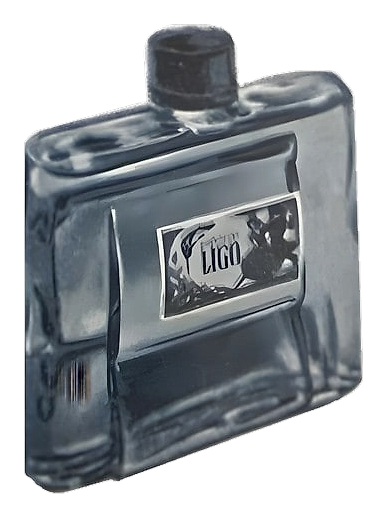
Līgo is Latvian for Midsummer, the summer solstice festival where the Baltic night barely darkens and the countryside fills with smoke from bonfires, wreaths of oak leaves, and the smell of wild herbs warming in the sun. Dzintars bottled that evening in 1950, composing an aromatic fougère that captures the cool, herbal quiet of the celebration rather than the fire itself. The opening pairs peach with rosemary, two top notes that set a green and gently sweet tone right away. Lavender joins in, reinforcing the aromatic backbone that defines the fougère family. The result is a fragrance that reads as June in a bottle, soft and herbal with a fruit edge that never turns syrupy.
What makes Līgo (1950) unusual among mid-century men's fougères is the floral heart. The core folds in mimosa, ylang-ylang, and cyclamen alongside lavender, producing powdery and yellow florals that soften the green without burying it. Calamus adds a warm-spicy lift to the base that vetiver alone couldn't deliver, sitting alongside tonka bean, vanilla, ambergris, and moss in the deeper layers. The result is a fougère that remembers flowers. It smells like a garden, not a barbershop, with a sweetness from vanilla and tonka that stays faint rather than gourmand.
The evolution
The first ten minutes are all green. Rosemary and herbaceous notes cut through with a brightness that reads more like wild chamomile tea than kitchen spice. Peach sits underneath, adding a round sweetness that keeps the opening from going sharp. Lavender joins the top notes alongside rosemary and peach, reinforcing the aromatic herbal quality from the very first spray. Nothing aggressive. Nothing loud. The opening feels gentle and green, more sylvan than sharp. By the thirty-minute mark, the florals arrive. Ylang-ylang and mimosa push the composition warmer, and a subtle cyclamen green keeps things from going too golden. Cyclamen contributes a cool, slightly spicy floral note that brightens the heart alongside ylang-ylang and the powdery softness of mimosa, a combination that reads fresh and slightly cool rather than heavy or indolic.
Cultural impact
Līgo (1950) holds a quietly distinctive place in men's fougères. Existing reviews of the fragrance are surprising in their consistency: wearers who try it tend to find more depth and craft than they expected, especially given its modest market footprint. The floral heart sets it apart from more austere herbaceous fougères, and the calamus base adds a warmth that keeps the composition from going too green or too austere. It's a fougère for people interested in older formulations of the genre, and for anyone curious about how classic masculine structures were approached outside the dominant French maisons.