
The Story
Why it exists.
The beginning
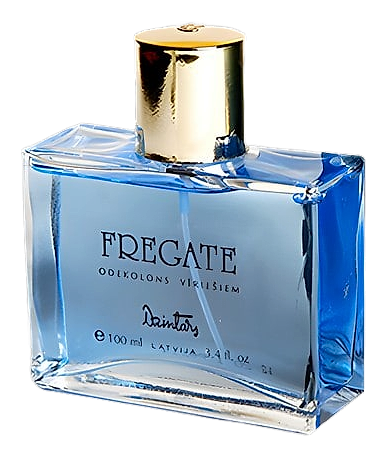
Frégate launched in 2010 from Dzintars. The name itself carries the suggestion of movement, something quick and lean rather than docked or anchored. The composition reads the same way: a marine-spicy aromatic that doesn't settle into one mood. Grapefruit and sea notes open the top with a brisk, saline brightness that feels closer to open water than harbour wall. Then saffron, cardamom and cloves push into the middle, warming the salt with spice that builds rather than smothers. The base settles with the resinous hush of birch alongside white musk, a pairing that pulls the whole thing back toward skin rather than letting it float off into the room.
What makes the structure interesting is the marriage of three usually separate languages: a marine-aromatic coastal reading, a warm Baltic spice heart, and a smoked birch undertone that borrows from northern leather traditions. Most aromatic fragrances pick one lane. Frégate tries all three and lets them share a single arc. The cassia in the opening gives the grapefruit a faint cinnamon flicker before the saffron even arrives, which is unusual for a marine-led top.
The evolution
The first impression is cold. Grapefruit peel and sea spray hit the skin with a saline, almost ozonic brightness, and the cassia hums below them like a radiator in a cold flat. As the opening softens, the spice stack starts to surface. Cardamom arrives sharp and slightly green, saffron arrives warmer and more leathery, and cloves ground the whole heart with a low, dry heat. There is a moment early in the wear where the marine opening and the spicy heart seem to belong to different compositions. That tension resolves as birch enters. The birch leaf doesn't flutter, it lands. White musk cushions it, and the composition settles into a smoky, slightly sweet warmth that sits close to the skin. On most wearers it holds this shape for a good long stretch, the marine top fading first while the spicy heart lingers longer than expected.
Cultural impact
Fregate arrived in 2010 as part of Dzintars's continued exploration of aquatic-aromatic territory, a category the brand had been working within for years. The release fit within a house tradition of structured, accessible fragrances aimed at everyday wear rather than luxury spectacle, and it carried forward the smoked, resinous undertones that run through much of the Dzintars catalogue. Its marine-spicy profile positioned it within a broader regional conversation about Baltic perfumery, a tradition that prizes clarity, wearability and a certain restraint over the heavier orientals and sweet gourmands that dominate some other markets.