The Story
Why it exists.
The beginning
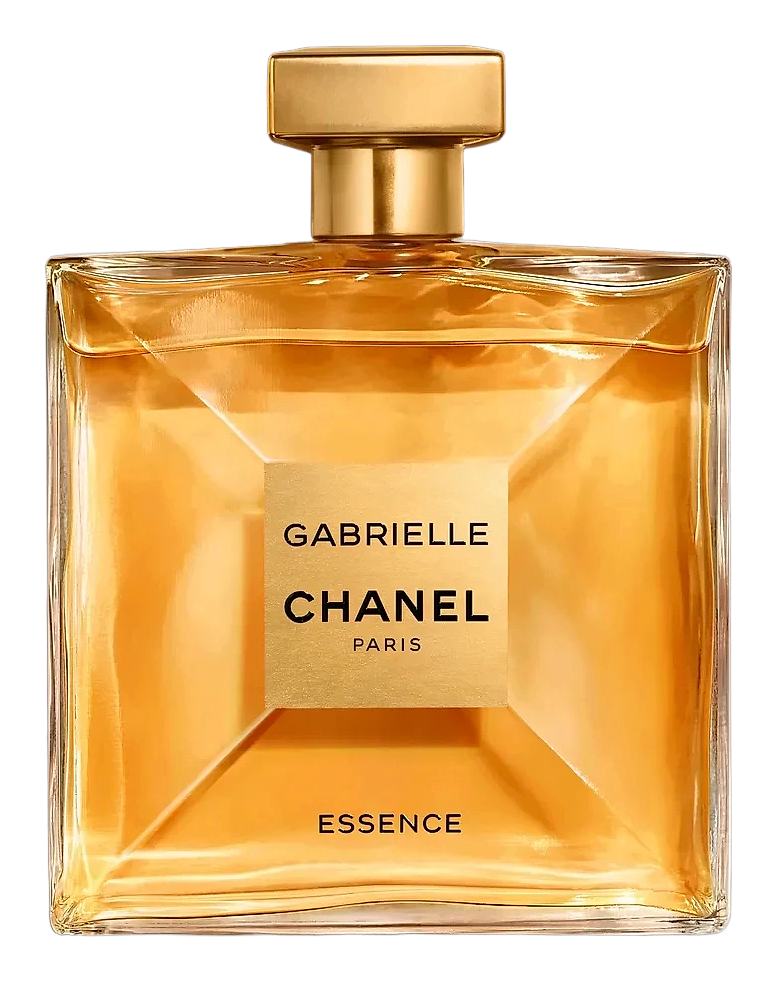
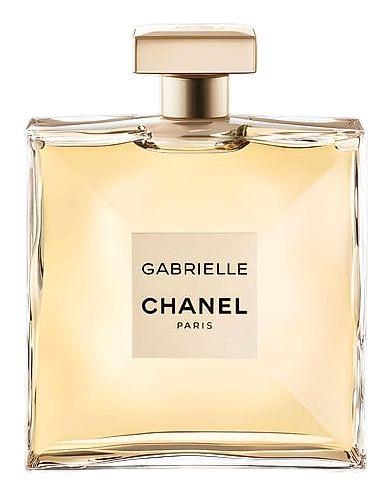
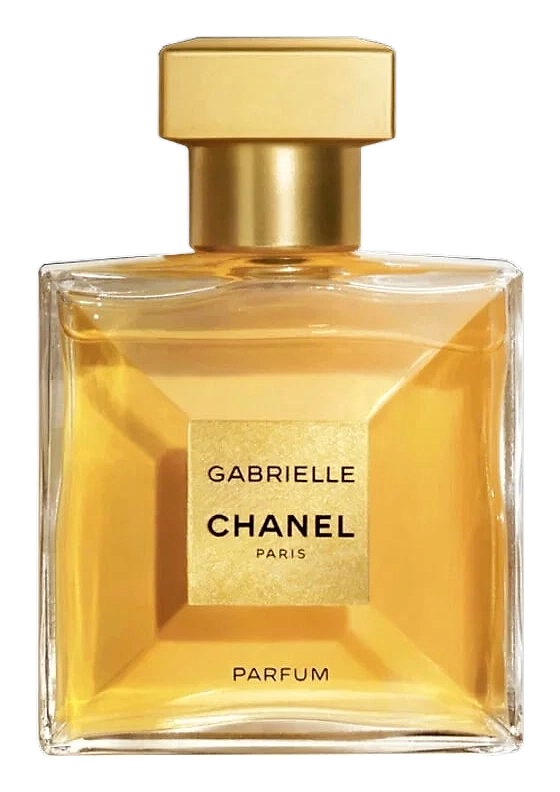
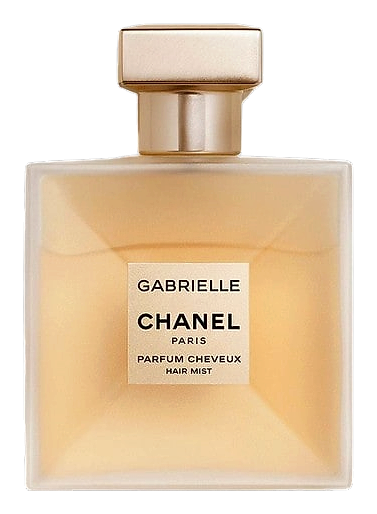
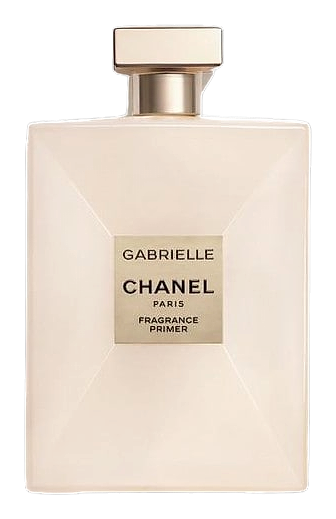
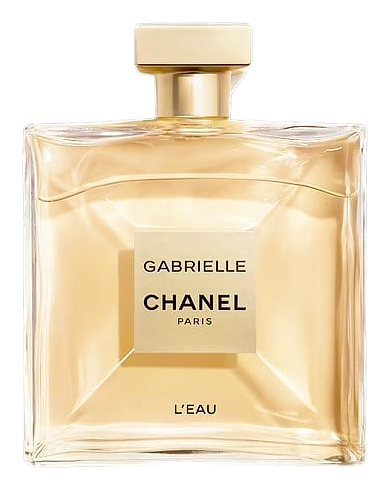
The name says everything. Gabrielle L'Eau is built around Gabrielle Chanel herself, the woman who refused to be anything but exacting, who understood that restraint is its own kind of power. Olivier Polge, who joined Chanel's fragrance division in 2015, was tasked with translating that energy into something new. The original Gabrielle lived in depth and richness, gardenia, tuberose, warm woods. L'Eau takes the same four flowers and makes them breathe differently. Brighter. More immediate. Not lighter as in lesser, but light as in effortless. A fragrance that doesn't announce itself because it doesn't need to.
The most interesting decision in Gabrielle L'Eau is the Grasse tuberose. Tuberose usually means cream, thick, lactonic, the kind of white floral that announces itself from across a room. Polge made a different call. This tuberose leans green. Almost vegetal. The brand's own copy calls out this reworking, emphasizing the 'green and vegetal facets' of a flower usually prized for its richness. It's a small change that changes everything. The four flowers aren't a bouquet here, they're a conversation, with the tuberose grounding the others instead of amplifying them. Red fruits add tartness at the top, keeping the florals from going sweet in the opening.
The evolution
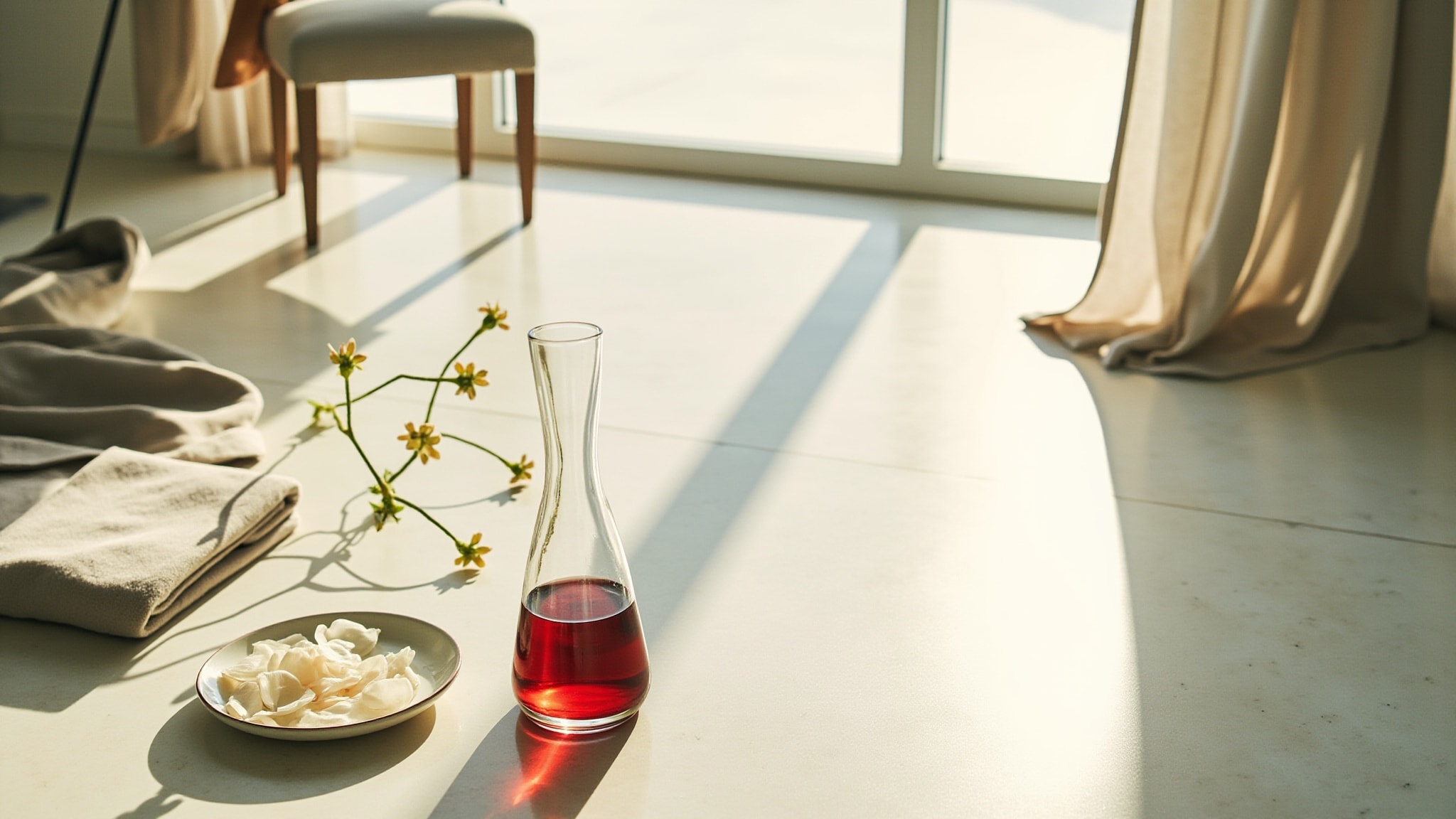
The opening is tart and bright, red berries that feel like a cassis spritzer, the kind that catches light as it pours. The green notes underneath give it an almost effervescent quality. Not quite sparkling, but close. The first thirty minutes belong to the fruits. Then the flowers arrive. Jasmine opens warm, with a honeyed quality that anchors everything that follows. Orange blossom adds clean brightness, the kind that makes you think of soapy skin and warm light. Ylang-ylang runs tropical underneath, a whisper of something exotic beneath the florals. The Grasse tuberose is the tell. In most fragrances, tuberose is the loudest thing in the room. Here, it doesn't shout. It contributes a green, almost leafy undertone that keeps the heart from going sweet. The red fruits don't disappear, they fold into the petals, their tartness threading through the florals like a quiet counter-melody. By the drydown, the florals have settled into something intimate. Musk creates a clean warmth, skin-warm, close, the kind that only registers when someone's standing near.
Cultural impact
Gabrielle L'Eau is the kind of Chanel that works without explanation. The original Gabrielle made its case through richness and presence; L'Eau makes its case through brightness and restraint. For someone approaching the house for the first time, it functions as a bridge, Chanel's authority, but without the weight of the numbered line or Les Exclusifs. The reception has been notably consistent. Wearers describe it as an elegant, light floral classic, smooth, warm, luminous from start to finish. The word 'classic' keeps appearing, which is both praise and positioning. This isn't trying to reinvent anything. It's trying to become something you reach for every morning.