The Story
Why it exists.
The beginning
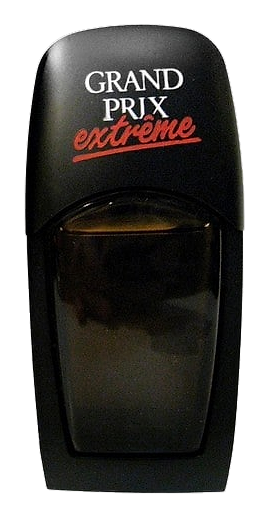
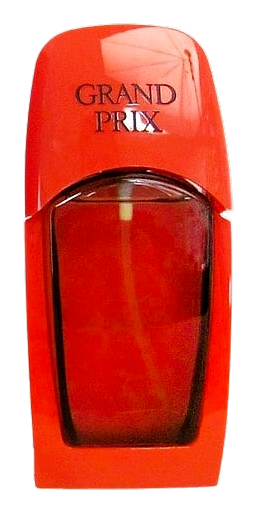
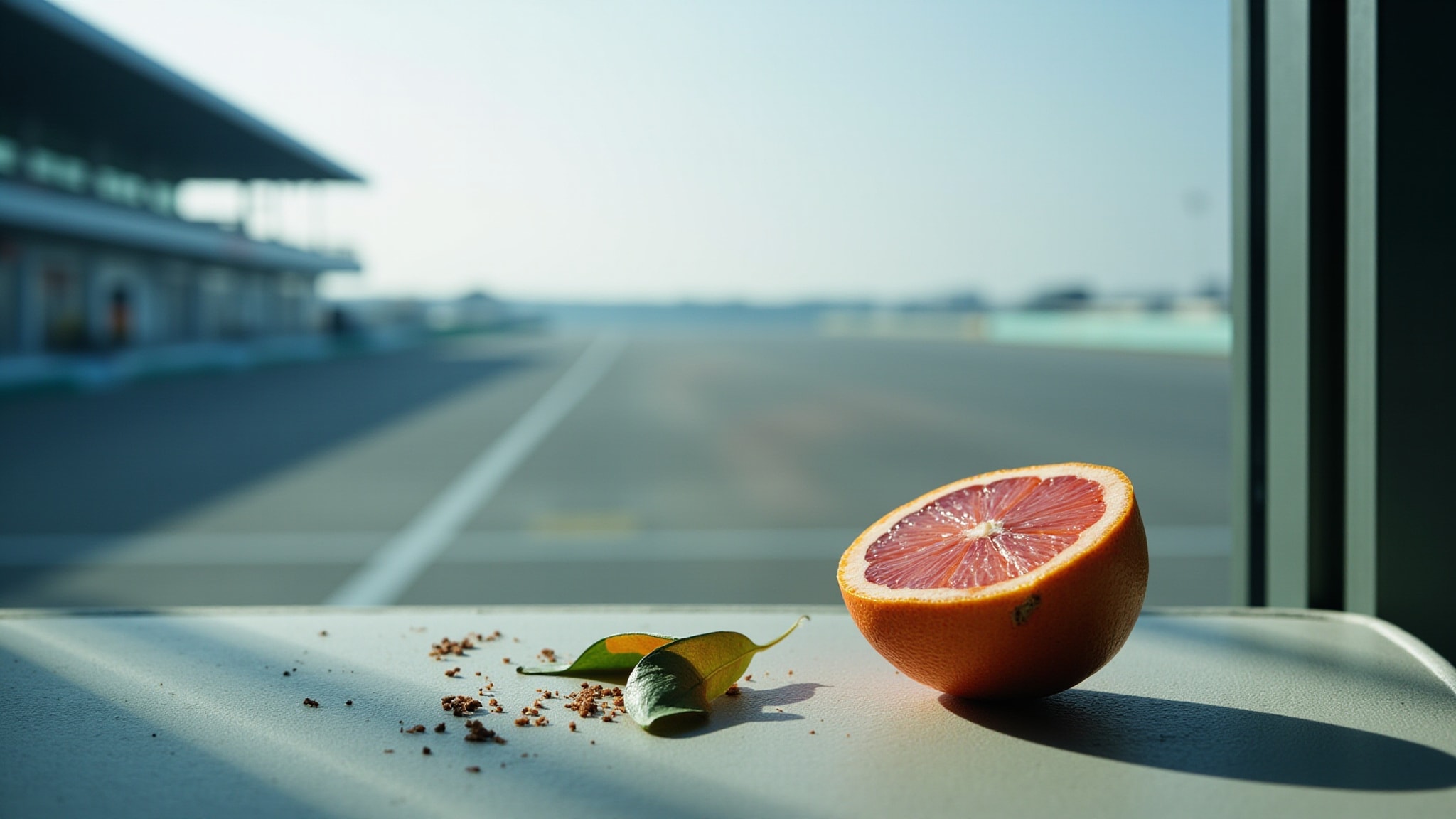
Grand Prix arrived in 1991 from Deborah. The name suggests speed and competition, but the juice underneath leans classic European fougère, that crisp, aromatic-green family that defined masculine fragrance for decades. Grand Prix positions itself squarely in that territory, with a generous herbal-spice accord wrapped in citrus and grounded by a mossy-woody base. It's a confident, well-dressed take on the fougère template, the kind of composition that rewards attention without demanding it. The opening reads bright and slightly bitter, the green sharpness of galbanum cutting through bergamot and grapefruit in a way that feels deliberate rather than accidental. By the heart, rosemary and sage carry most of the weight, with lavender softening the edges and juniper keeping things clean.
What makes the structure work is density without heaviness. Six top notes stack citrus against galbanum's green bite, creating an opening that smells colder and more vegetal than the average fresh citrus splash. There's a prickling quality to the first few seconds, almost mentholated in feel, though the mint note is brief and gives way quickly to the herbs underneath. The heart is where the ambition lives: rosemary, lavender, basil, juniper, and sage layered with pineapple and raspberry, a surprising fruity pivot inside an otherwise herbal composition.
The evolution
On skin, Grand Prix opens with a snap. Bergamot, grapefruit, and galbanum arrive first, mint adding a cool edge before fading quickly into the composition's herbal core. The herbal heart takes over as the opening settles, rosemary and sage dominating while lavender softens the edges and juniper keeps things sharp. The pineapple and raspberry are subtle, less obvious fruit than a faint sweetness woven into the herbs, most noticeable in warm conditions where the fruity notes have a chance to bloom. As the fragrance develops, the green qualities begin to recede and oakmoss steps forward, pulling cedar and sandalwood into the foreground. Vetiver adds a dry, earthy note that anchors the composition through the later stages. By the final hours, what's left is a quiet mossy-woody drydown, close to the skin, with amber warming it just enough to keep the base from feeling cold or austere.
Cultural impact
Grand Prix offers something denser, greener, and more herbal than many of the fresher masculine fragrances that gained popularity in subsequent decades. It's a fougère in the classic mold, with galbanum and oakmoss doing significant work alongside citrus and herbal middle notes. For wearers who gravitate toward traditional barbershop fougères, Grand Prix reads as familiar but not generic, its pineapple and raspberry providing a small twist inside an otherwise expected structure.