The Story
Why it exists.
The beginning
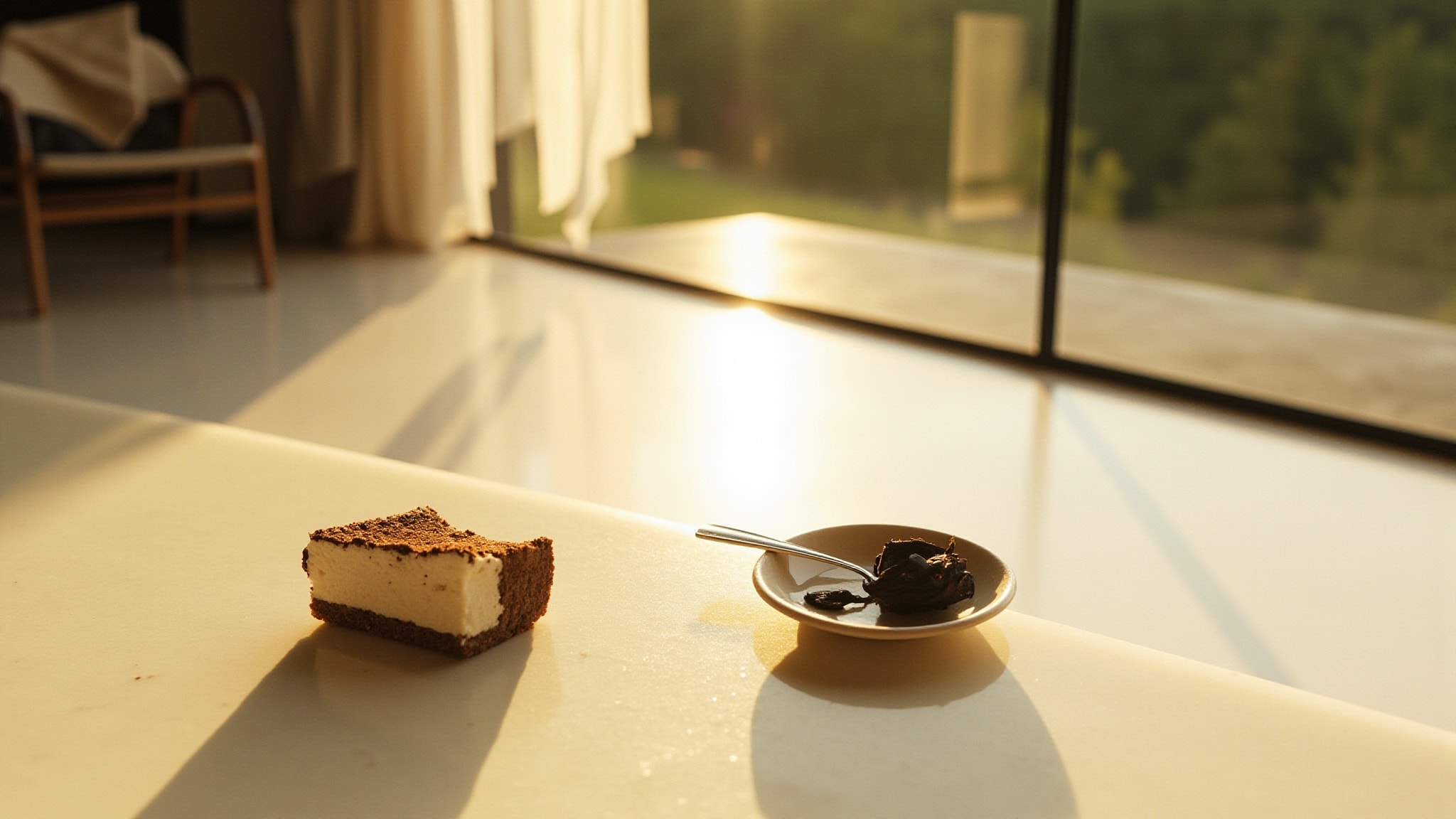
Vanilla is the comfort note everyone reaches for. But something else lives in it too, the potential for something slightly dangerous. A whisper of excess. Of too much. For Vaniglia, the composition builds around that edge deliberately. Cocoa and milk open together, creating a hot-chocolate effect that's immediate and inviting, the kind of warmth that fills a room before you've even sprayed it. Coconut milk brings tropical warmth alongside heliotrope's powdery sweetness, the combination conjuring images of sun-drenched afternoons and delicate florals dried and pressed between pages. Praline and caramel deepen the gourmand register, adding layers of confection that feel both indulgent and perfectly controlled.
The lactones in the composition create a buttery richness that gives the fragrance its creamy, edible character without any actual dairy involved. These compounds are what make coconut milk smell like coconut milk, what gives white chocolate its smooth, melt-on-your-tongue quality. In perfumery, lactones create the impression of something genuinely delicious, the warmth of skin after a long bath, the comfort of a dessert that didn't earn its calories. Vaniglia uses cocoa alongside milk in the top, which makes the chocolate readable as confection rather than bitter cacao.
The evolution
The opening arrives with the chocolate already dominant, cocoa, dark chocolate, milk all present simultaneously. It's rich in the way opening a box of bonbons is rich, immediate sensory impact without preamble. The coconut moves in quickly, pushing the lactonic warmth forward alongside heliotrope's powdery softness. Praline and caramel appear before the milk fades completely, so the handoff feels seamless, sweetness building as the dairy recedes. The chocolate note doesn't disappear as Vaniglia dries down. It deepens instead, becoming warmer and more resinous as the opening materials burn off. By the time the base arrives, the cocoa has transformed from confection to something closer to actual cacao in a warm composition, richer and more enveloping. The final stage belongs to vanilla, caramel, and sandalwood, a close, skin-hugging warmth that persists for hours.
Cultural impact
Vaniglia arrives in a space where sweet, edible fragrances have earned their place as serious craft rather than dismissed as simplistic. The house treats the fragrance as a narrative object, and Vaniglia tells its story in the language of comfort and excess. Wearers describe it as the scent of someone who gravitates toward warmth, not because they need it, but because they've decided they deserve it. There's a confidence in that choice, a quiet insistence on pleasure without apology, and that sensibility runs through every layer of the composition.