
The Story
Why it exists.
The beginning
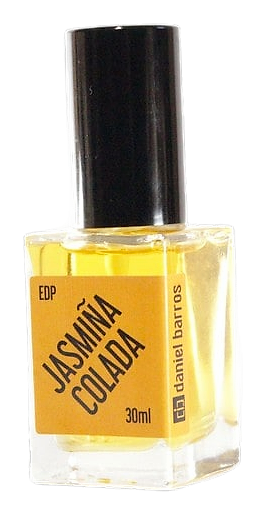
The piña colada has a complicated origin story, tangled somewhere between Caribbean pirates and post-war hotel bars. Legend credits the 19th-century Puerto Rican privateer Roberto Cofresí with mixing pineapple, coconut, and rum to lift his crew's spirits, though the recipe vanished for decades. In 1954, bartender Ramón Marrero at the Caribe Hilton reconstructed the drink with a precise ratio of those same three ingredients. By 1978, Puerto Rico named the piña colada its national drink. The cocktail's appeal rests on a controlled collision: tangy meets sweet, cold meets warm, creamy meets sharp. Daniel Barros translated that contrast into scent with Jasmiña Colada in 2016.
What makes Jasmiña Colada worth exploring is how it moves between categories without settling into a single tropical profile. The coconut and milk create a creamy, lactonic center, while ambergris and rum bring warmth and depth beneath the sweetness. The white florals do heavy lifting: jasmine and tuberose give the heart its floral body, while neroli and magnolia on top keep the composition bright. As the fragrance develops, pineapple's juicy sharpness becomes more apparent beside coconut, and the floral notes soften into a smooth, enveloping background.
The evolution
The first ten minutes are a blur of piña colada. Coconut cream, ripe pineapple, and the soft burn of rum form the opening, with neroli flickering above it and keeping the sweetness from becoming too heavy. The fragrance initially reads as slightly sweet and lightly sharp, like the drink translated into scent. Then jasmine and tuberose arrive. They push through the coconut, shifting the composition from a simple tropical sweetness toward a fuller floral center. Ylang-ylang adds a smooth richness, and lily of the valley keeps a green thread running through the cream. Over the next hour, the fruit tones gradually recede while the florals take center stage. By hour three, sugar and milk settle in alongside sandalwood's creamy wood and ambergris's soft salted warmth. The drydown sits close to skin: warm, gently milky, and faintly saline.
Cultural impact
Jasmiña Colada draws on the familiarity of a classic tropical drink while presenting it through a fuller floral lens. Coconut, pineapple, rum, and creamy sweetness establish the reference, then jasmine, tuberose, neroli, magnolia, and lily of the valley add layers of white floral character. The result is a composition that can shift between fresh, creamy, warm, and gently salted impressions as it wears. Its name makes the drink connection immediately legible, while the note list gives the scent a more elaborate profile.
The House
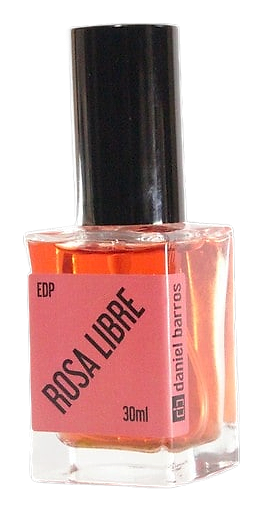
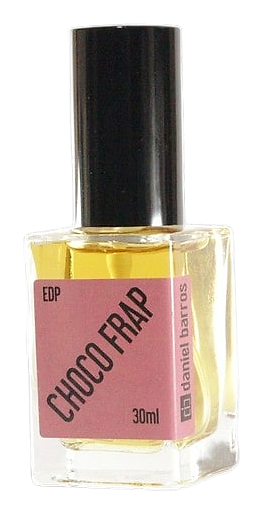
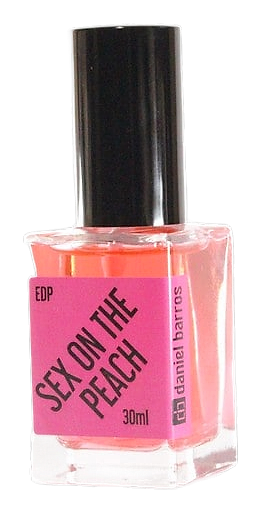
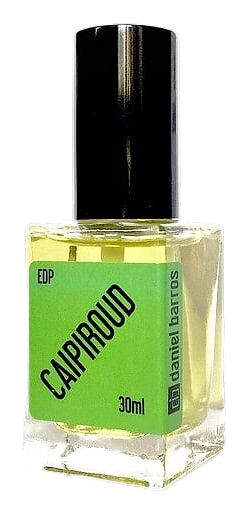
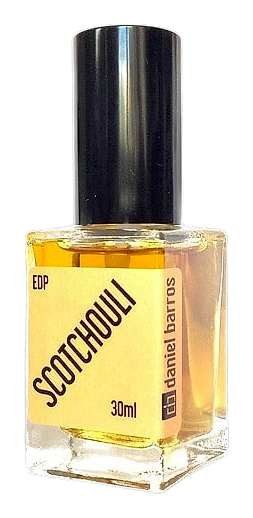
Daniel BarrosDaniel Barros is a São Paulo-based fragrance personality, author, and nose whose work spans editorial writing, perfumery consultation, and fragrance creation. He contributes to Brazilian fragrance media, building a following among Portuguese-speaking fragrance enthusiasts. His 2016 fragrance collection brought ten conceptual scents to market, each built around a specific cultural reference or taste memory. Barros founded Ego In Vitro, a fragrance consultancy that draws on psychological frameworks to match clients with scents suited to their personality and style. He published the 500-page reference work "1001 Perfumes: The Guide," covering fragrance history from 1881 through the modern era. His approach to perfumery combines playful conceptual thinking with an understanding of market gaps and consumer desire.
The Creator
Daniel BarrosBarros brings an educator's clarity to fragrance writing, favoring organized frameworks that help readers navigate complex olfactory territory. His book divides the fragrance landscape into digestible sections, moving from foundational concepts to broader industry context.