
The Story
Why it exists.
The beginning
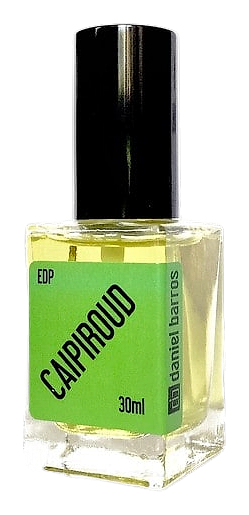
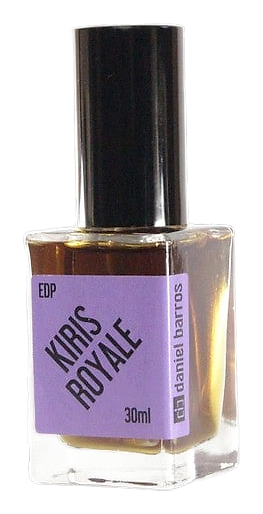
The name says it: cedretto, a softer take on cedar. When Daniel Barros released his 2016 collection of ten fragrances, each built around a cultural reference or taste memory, Cedretto took cedar as its subject, not the loud cedar of forests, but something quieter, more intimate. The amaretto and almond came first, because Barros wanted an opening that felt familiar without being forgettable. Vanilla and sugar followed, because warmth needed somewhere to land. The whole thing was designed to smell like the idea of comfort, translated into eleven notes.
Eleven notes sounds like a lot until you smell it and realize nothing fights for attention. The cedar does the work of holding everything together, it bridges the nutty sweetness of the opening and the warm sweetness of the base without ever becoming the loudest thing in the room. What makes Cedretto interesting is that balance: sweet oriental, but not heavy. Woody, but not sharp. Powdery, but not dusty. The composition has a through-line most fragrances in this style don't bother with.
The evolution
The first minutes belong to amaretto and almond. Sweet-bitter, almost marzipan, like biting into a confection before you've decided if you like it. Orange sits underneath, keeping it bright for maybe ten minutes, then disappears entirely, some notes are just passing through. Cedar announces itself next, not loud, more like a warm hand on your shoulder. Nutmeg and cinnamon add a subtle spice. Then comes the long part: vanilla, sugar, the sweetness that refuses to leave. Benzoin gives it resinous depth. Iris adds powdery softness. Musk keeps it close to skin. Myrrh lingers in the background, not quite medicinal, just present. The sugar outlasts almost everything else, you can still smell it four or five hours in, sweet without being cloying. On fabric, it hangs around for a day. The drydown is the whole point: warm, soft, something you'd want to fall asleep in.
Cultural impact
Daniel Barros built his following writing for the community and publishing fragrance criticism in Portuguese, treating scent as autobiography for a community that reads fragrance as cultural memory. Cedretto, part of his 2016 debut collection, embodies that approach: warm, sweet, and approachable, a fragrance that invites recognition rather than demanding attention.