
The Story
Why it exists.
The beginning
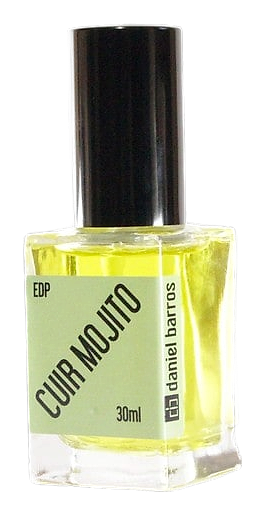
The mojito has origins as murky as Havana's history. Some trace it to a 16th-century medicinal drink for sailors suffering from dysentery and scurvy. The Cubans had their version: lemon, mint, rum, sugar cane. The British added more rum. The name? Possibly 'mojo,' a lemon-based seasoning. Possibly a diminutive of 'mojado', wet in Spanish. Nobody knows for certain. What Daniel Barros knew was that the drink's defining tension, cold mint meeting hot rum, sweet cutting through spirit, hadn't been properly captured in fragrance. The mojito's aromatic character demanded translation, and leather seemed the only base honest enough to hold it without flinching.
Most leather fragrances build from the hide outward: warm, animalic, eventually giving way to florals or spices that soften the blow. Cuir Mojito inverts this structure almost entirely. The opening belongs to the mojito, lime, mint, rum, saffron, grass, bright and aromatic, nothing like leather at all. The leather doesn't arrive immediately. It builds. This delayed arrival is what makes the fragrance work: the cool elements create space, and the leather fills it with warmth that feels earned, not imposed. It's a composition that asks you to wait before delivering its central argument.
The evolution
The first five minutes belong to the mint. It doesn't tiptoe, it announces. Lime follows, sharp and Tahitian-sweet, with saffron's dry spice cutting through like a bartender's cut. The rum arrives thick and warm, almost boozy, while grass adds a green undertone that keeps everything grounded. No subtlety here. This is a scent that wants you to know it's arrived. Within twenty minutes, the florals begin their slow entrance. Violet and geranium layer in with a powdery elegance, lily of the valley providing dewy coolness that tempers the mint without erasing it. Patchouli anchors the heart, pushing the composition away from fresh and toward aromatic. The mojito is still there, but it's transforming. By the hour, the leather takes over. Not dramatically, not a complete swap, but the cool mint recedes, and the warmth beneath finally surfaces. Oakmoss adds a slightly damp, old-world earthiness that extends the leather's staying power. Cashmeran cushions everything with a soft, almost plush quality.
Cultural impact
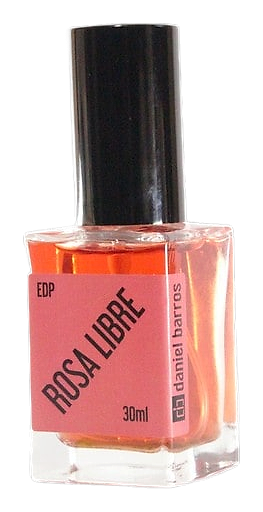
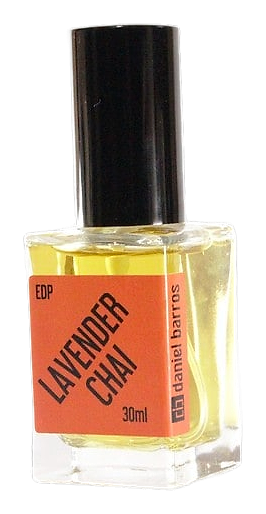
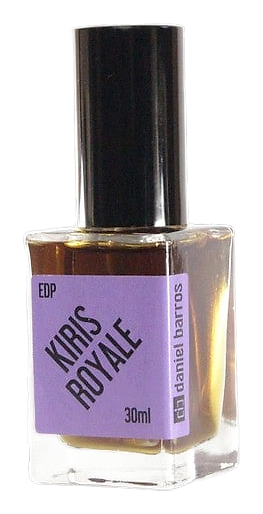
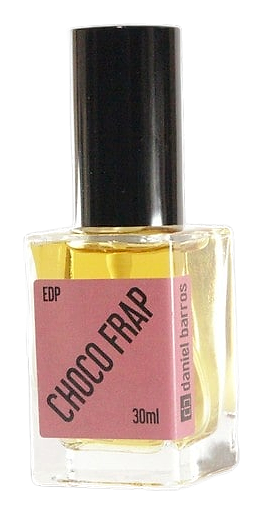
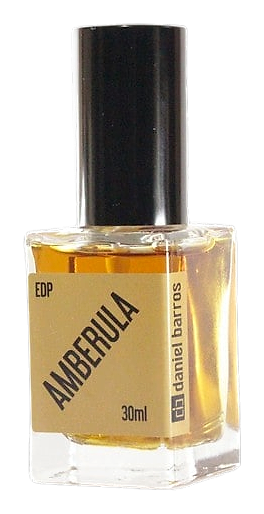
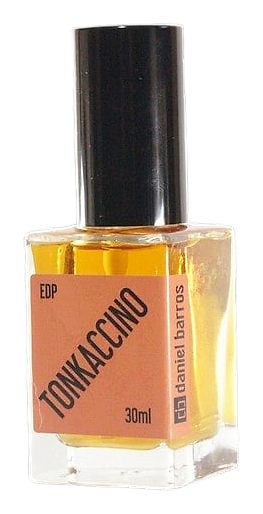
Barros built a following among Portuguese-speaking fragrance enthusiasts before expanding into authorship with his comprehensive perfumery guide. Cuir Mojito stands apart in the 2016 collection, its leather-and-mojito concept is more provocative than pun-driven siblings like Tonkaccino or Amberula. Among fragrance enthusiasts, the combination sparks genuine division: the cool mint and rum opening either intrigues or alienates, while the animalic leather base rewards those who stay long enough to experience it. Wearers describe it as unexpected, a leather fragrance that doesn't feel like one until it does.