The Story
Why it exists.
The beginning
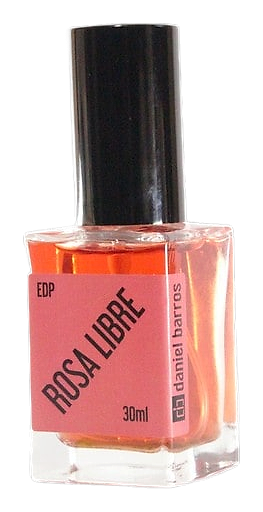
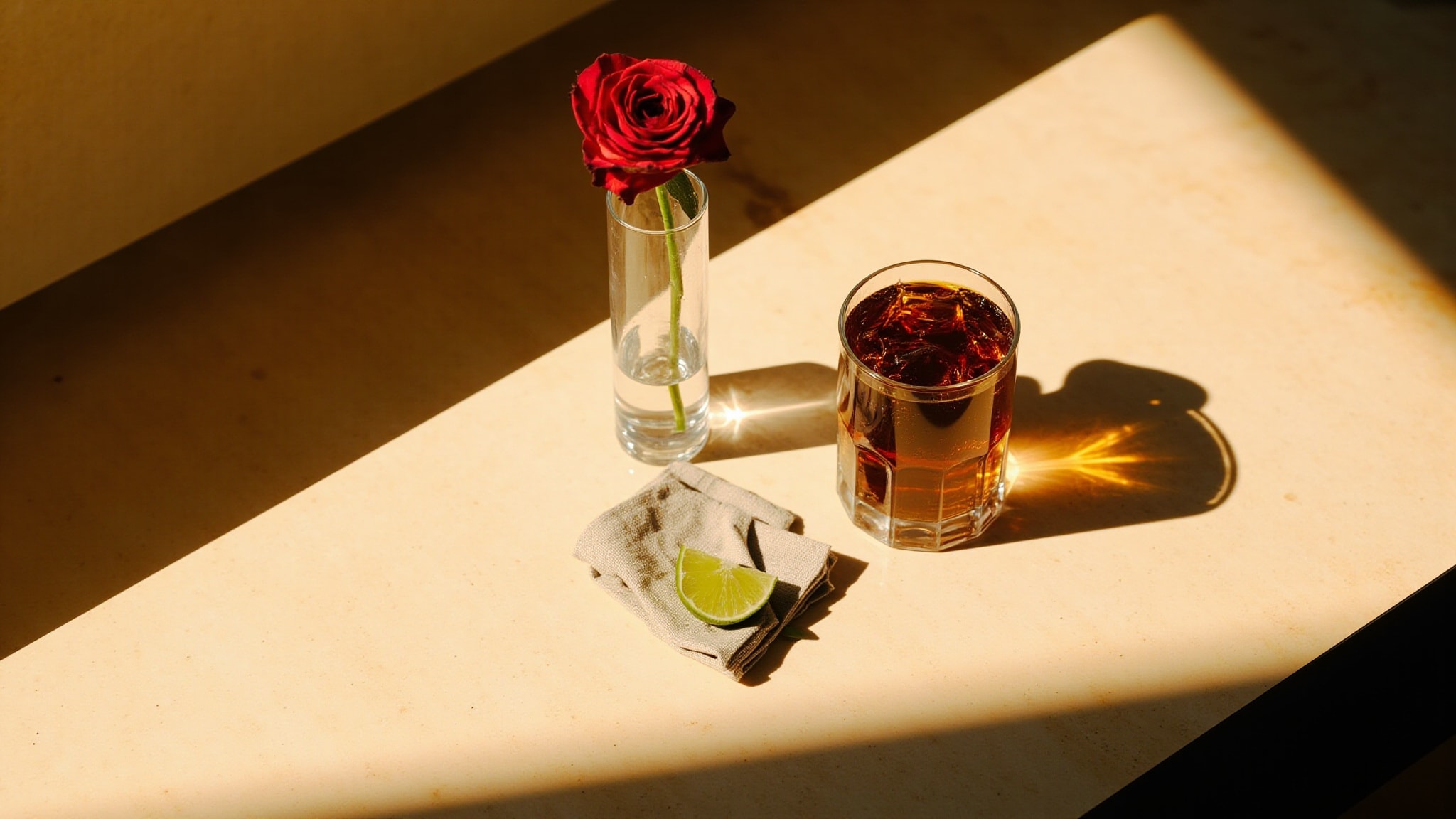
The story is in the name. Rosa Libre borrows from Cuba Libre, Bacardi and Coca-Cola, lime, ice, the drink invented in 1900 Havana when a US captain asked a bartender to make something from what was available. Free Cuba. That's what it meant. Daniel Barros took that concept and turned it into a fragrance. Not the rum, the idea. The sweet, bubbly, syrupy character of the drink, translated into scent. But where the original had spirit, this one has rose. Rosa. Free Rose. It's the same move the original made: take something familiar, add something unexpected, and call it by a name that means liberation. The 2016 collection included thirteen fragrances, each built around a pun or a memory. Rosa Libre was the one that wanted to say something about freedom itself, which is harder than it sounds in perfumery.
The Coca-Cola note is the gamble. It's not a common material in fine fragrance because it risks going synthetic, too sweet, or just wrong. But Barros grounds it with violet leaf and citrus, that green, slightly metallic freshness that cuts through sweetness before it can settle. The result reads as carbonation, not candy. The rose that follows is the other bet. Not a delicate rose. Not a rose that apologizes for being there. The black pepper and geranium in the heart give it a green, slightly sharp edge that keeps the sweetness honest. Ylang-ylang adds a soft, almost narcotic warmth underneath. The base is chypre architecture: patchouli, oakmoss, labdanum. Old-world structure holding the modern idea together.
The evolution
The opening hits first, bright, effervescent, the Coca-Cola note hitting the nostrils like the first sip on a hot day. Citrus and violet leaf add dimension, a green crispness that keeps it from flattening into sweetness. Ginger lingers in the background, warm spice that teases without burning. Within twenty minutes, the rose arrives. Not gradually. It announces itself. The black pepper and geranium push it forward, give it presence. For the next two hours, that's the story, rose and spice, the sweetness of the opening fading into something warmer and more grounded. The drydown is where the chypre shows up. Patchouli and oakmoss arrive together, earthy and dry. Labdanum adds a sticky, resinous warmth. Musk holds everything close to the skin. By hour four, it's intimate, present but not projecting, the kind of scent you catch when you move your wrist close to your face. On fabric, it lasts longer. The rose can linger for eight hours on a scarf or shirt cuff, faint but unmistakable the next morning.
Cultural impact
Rosa Libre occupies an unusual position in the landscape of rose fragrances. Most rose scents lean either classical (Rose Absolue, Ottoman-style) or modern minimal (Rose 31, Rose Noir). Rosa Libre does neither. It takes the rose, a material steeped in heritage, and drops it into something playful, almost casual. The Coca-Cola note reads as a deliberate refusal of seriousness. Among fragrance enthusiasts, it sparks debate: some find it too sweet, others find it unexpectedly sophisticated. What nobody disputes is that it's memorable. In a market where most fragrances aim to please, Rosa Libre aims to be recognized.