Daniel Barros
Daniel Barros wears his passion for fragrance like a second skin. Based in São Paulo, he spent two formative years immersed in perfumery study before branching out to found Ego In Vitro, a consultancy that guides clients toward their ideal scent. His voice found a wider audience through his work as a columnist, where his accessible take on fragrance culture attracted a devoted following. Barros channeled that reader relationship into his book "1001 Perfumes: The Guide," a reference work that brings structure and depth to the sometimes overwhelming world of scent. Beyond writing, he operates as a fragrance marketing specialist and events organizer, bridging the gap between brands and the enthusiastic communities that surround them. He approaches fragrance as both an art form and an accessible pleasure, refusing to gatekeep a world he believes belongs to everyone.
The hits
Notable creations







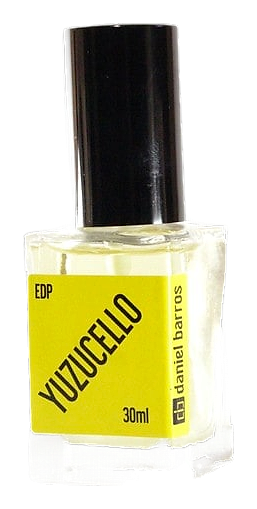

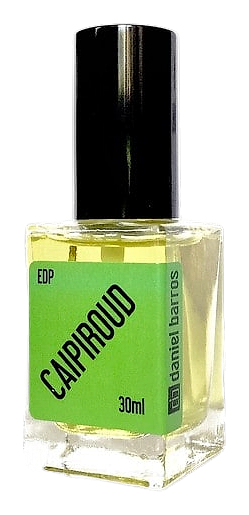


The signature
How Daniel composes
Barros brings an educator's clarity to fragrance writing, favoring organized frameworks that help readers navigate complex olfactory territory. His book divides the fragrance landscape into digestible sections, moving from foundational concepts to broader industry context. He writes about mainstream designer releases and niche offerings with equal enthusiasm, refusing the hierarchies that sometimes divide the fragrance world. His communication style is conversational yet informed, balancing expertise with the warmth of a knowledgeable friend sharing something precious.
Philosophy
What drives Daniel
Barros rejects the notion that fragrance appreciation requires formal credentials or expensive acquisitions. He built Ego In Vitro on the premise that anyone can find their perfect scent with the right guidance, not the deepest pockets. His writing reflects this democratizing impulse, breaking down fragrance culture for newcomers while still offering substance for seasoned enthusiasts. He treats scent as a personal language, one that speaks differently to each nose, and sees his role as translator rather than authority. The joy of discovery, he suggests, matters more than the prestige of the bottle.
The houses