
The Story
Why it exists.
The beginning
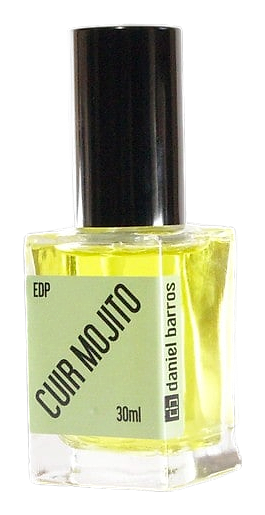
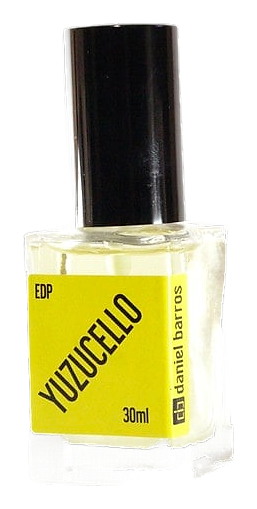
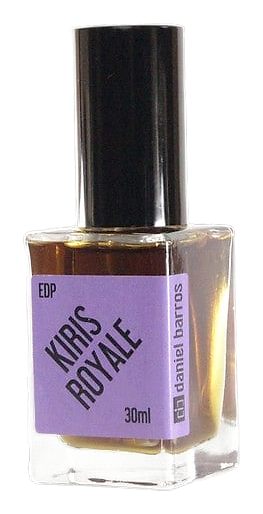
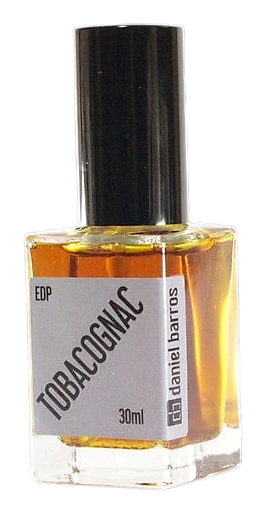
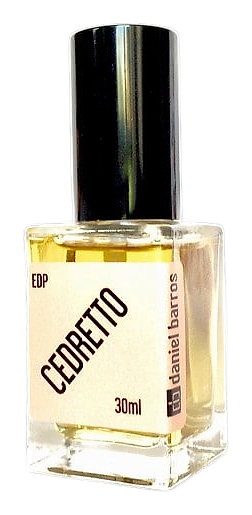
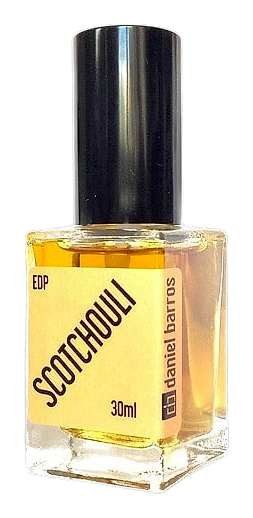
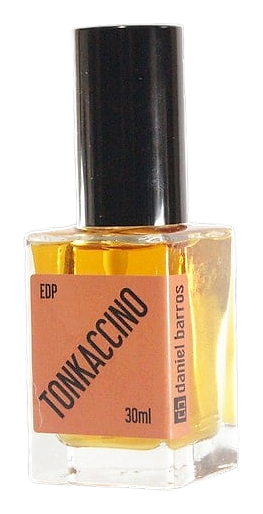
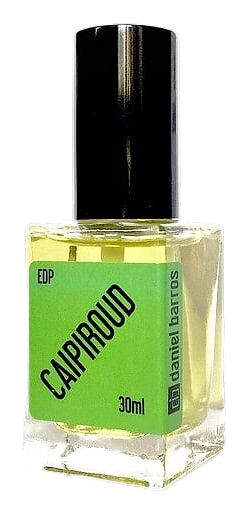
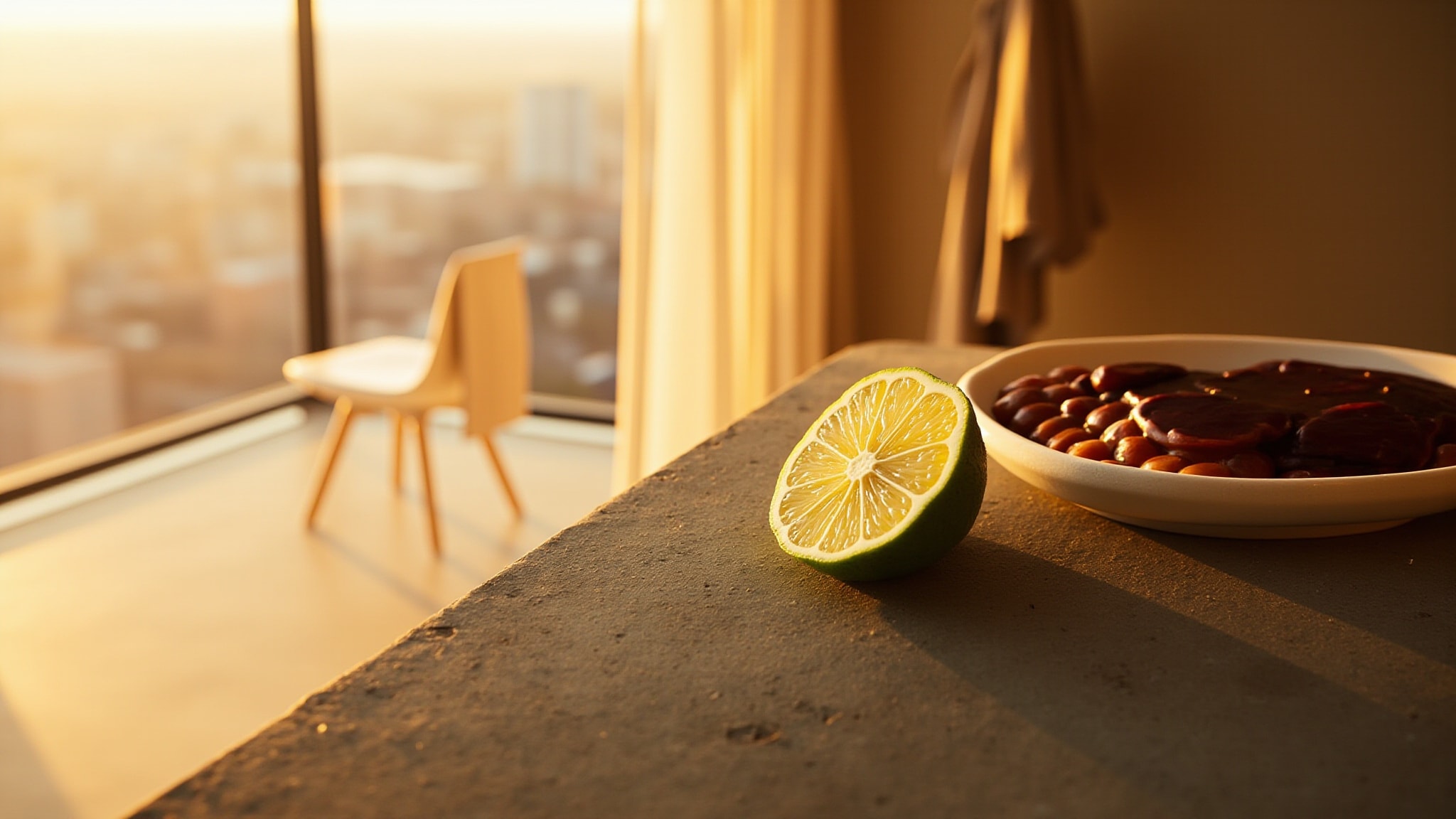
The name is the concept. "Caipiroud", caipirinha meets oud, is Daniel Barros doing what he does best: taking something unmistakably Brazilian and subverting expectations. Barros launched fragrances built around cultural references and taste memories. Scotchouli. Tonkaccino. Tobacognac. His sensibility treats fragrance as autobiography, inviting wearers to recognize something familiar translated into scent. The playful naming masks serious compositional work, each scent a memory distilled into liquid form. Caipiroud takes Brazil's national cocktail, lime, cachaça, sugar, and asks what happens when the party doesn't stop. The opening is the drink you ordered. The rest is what you didn't see coming.
The challenge of Caipiroud is structural: how do you build a bridge between tropical freshness and resinous darkness? The caipirinha opening sets up expectations, bright lime, the green-bitter edge of cachaça, sugar's sticky sweetness. Then the oud enters. Something warmer, more measured. The composition has to support that transition, and it does, through geranium's herbal bite and nagarmotha's earthy spice acting as a bridge between the cocktail's brightness and the base's depth.
The evolution
The opening hits bright and citrus-forward, lime and caipirinha screaming tropical, petitgrain's green freshness cutting through. For a good stretch, this is pure Brazilian afternoon. Then the geranium arrives. Its herbal, almost medicinal edge tempers the sweetness, adds structure. The rose and jasmine in the heart don't dominate, they soften, warmth against the green. Nagarmotha brings earthiness, a quiet spice that keeps things grounded. Cashmeran wraps around skin like a soft blanket while guaiac wood contributes its warm, smoky signature. The oud doesn't ambush, it settles, warm and resinous, with just enough sugar sweetness to keep the transition smooth. The drydown is intimate, close-to-skin, the kind that lingers for hours on end.
Cultural impact
Barros approaches fragrance as cultural storytelling, attracting wearers who see scent as autobiography. His work translates familiar taste memories into scent, inviting recognition rather than exclusivity. Caipiroud sits at an interesting intersection: the tropical citrus appeals broadly, but the oud and cashmeran base rewards those looking for something more complex.
The House
Daniel BarrosDaniel Barros is a São Paulo-based fragrance personality, author, and nose whose work spans editorial writing, perfumery consultation, and fragrance creation. He contributes to Brazilian fragrance media, building a following among Portuguese-speaking fragrance enthusiasts. His 2016 fragrance collection brought ten conceptual scents to market, each built around a specific cultural reference or taste memory. Barros founded Ego In Vitro, a fragrance consultancy that draws on psychological frameworks to match clients with scents suited to their personality and style. He published the 500-page reference work "1001 Perfumes: The Guide," covering fragrance history from 1881 through the modern era. His approach to perfumery combines playful conceptual thinking with an understanding of market gaps and consumer desire.
The Creator
Daniel BarrosBarros brings an educator's clarity to fragrance writing, favoring organized frameworks that help readers navigate complex olfactory territory. His book divides the fragrance landscape into digestible sections, moving from foundational concepts to broader industry context.