Tahitian lemon
Tahitian lemon brings the sun-drenched brightness of tropical citrus to perfumery. This variety carries the classic lemon character with a softer, more rounded quality that blends seamlessly into modern fragrance compositions, from fresh colognes to sophisticated florals.

Character
How it smells
Tropical citrus brightness with soft, rounded warmth.
Lemon peel oil ranks as the most-used citrus ingredient in cosmetics, with over 500 reported applications in personal care products according to FDA data.








Origin
India
True lemon originated in South Asia, with documented cultivation tracing back over 3,000 years to the Kashmir region. Arab traders spread lemons throughout the Mediterranean by 1000 AD, where they became central to both culinary and medicinal traditions. The 'Tahitian' designation in citrus commerce often refers to varieties grown in Pacific-influenced climates or specific cultivar selections, though the underlying Citrus limon species remains consistent.
California became the twentieth-century leader in lemon production, supplying the fragrance industry with consistent, high-quality peel. The Tahitian connection likely reflects hybrid varieties developed in Pacific regions or marketing terminology for premium tropical-grown lemons, which may develop slightly different aromatic profiles due to soil and climate conditions.
Wears it best
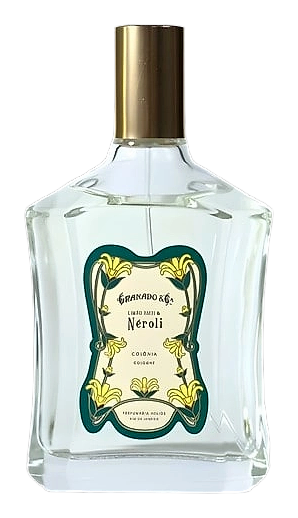
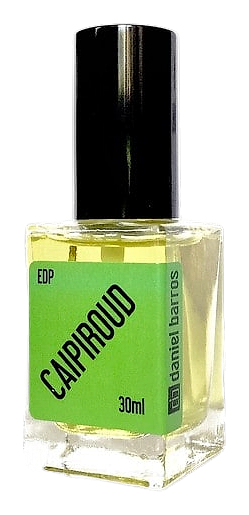
Fragrances featuring Tahitian lemon
Brands
Brands known for Tahitian lemon
Good to know
Questions, answered
The essentials on Tahitian lemon in perfumery: how it smells, where it comes from, and how it behaves on skin.
What does Tahitian lemon smell like?
Tahitian lemon offers bright, zesty citrus with a cleaner, slightly sweeter character than Mediterranean varieties. It combines sharp top notes with softer, rounder undertones that integrate well with florals and woods.
Is Tahitian lemon a real citrus variety?
Tahitian lemon typically refers to lemons grown in tropical or Pacific-influenced climates. The underlying species is Citrus limon, but growing conditions can produce subtle aromatic variations in the peel oil.
How is lemon oil extracted for perfumery?
Most lemon oil for perfumery comes from cold pressing the fruit peel. This mechanical method preserves delicate aromatic compounds that steam distillation can alter.
What fragrance families use Tahitian lemon?
Tahitian lemon appears in fresh colognes, citrus chypres, fougeres, and bright florals. It works as both a primary note and a lift ingredient in heart compositions.
Does lemon oil contain allergens?
Lemon oil contains naturally occurring allergens like limonene and citral that must be declared on product labels. Concentration levels in fragrance are carefully controlled for safety.
Can Tahitian lemon be synthetically replicated?
Synthetic lemon alternatives exist and are widely used for consistency and cost. Natural lemon oil remains preferred in fine perfumery for its complex aromatic profile.
What role does lemon play in fragrance architecture?
Lemon provides immediate opening impact and freshness. It acts as a bridge note, connecting top citrus elements with heart and base compositions while adding brightness.
How long has lemon been used in perfumery?
Lemon entered Western perfumery in the eighteenth century alongside other citrus materials. Its sharp, clean character made it essential for cologne-style fragrances from the beginning.