Cola
Cola in perfumery delivers a warm, sweet aroma with spicy undertones reminiscent of caramel, vanilla, and subtle bitter herbs. This note typically appears as a reconstructed accord blending natural and synthetic materials. It adds a gourmand warmth to fragrances, often functioning as a bridge between fresh and oriental elements.

Character
How it smells
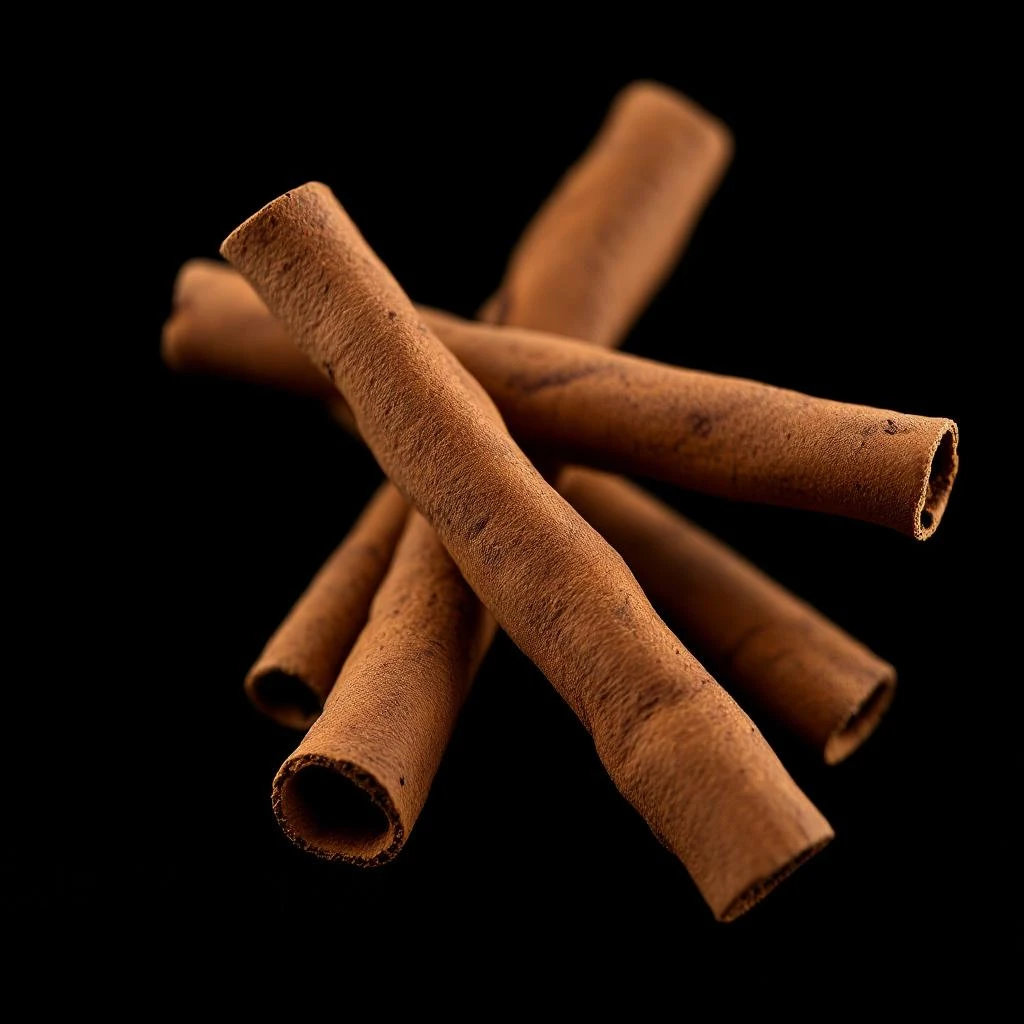
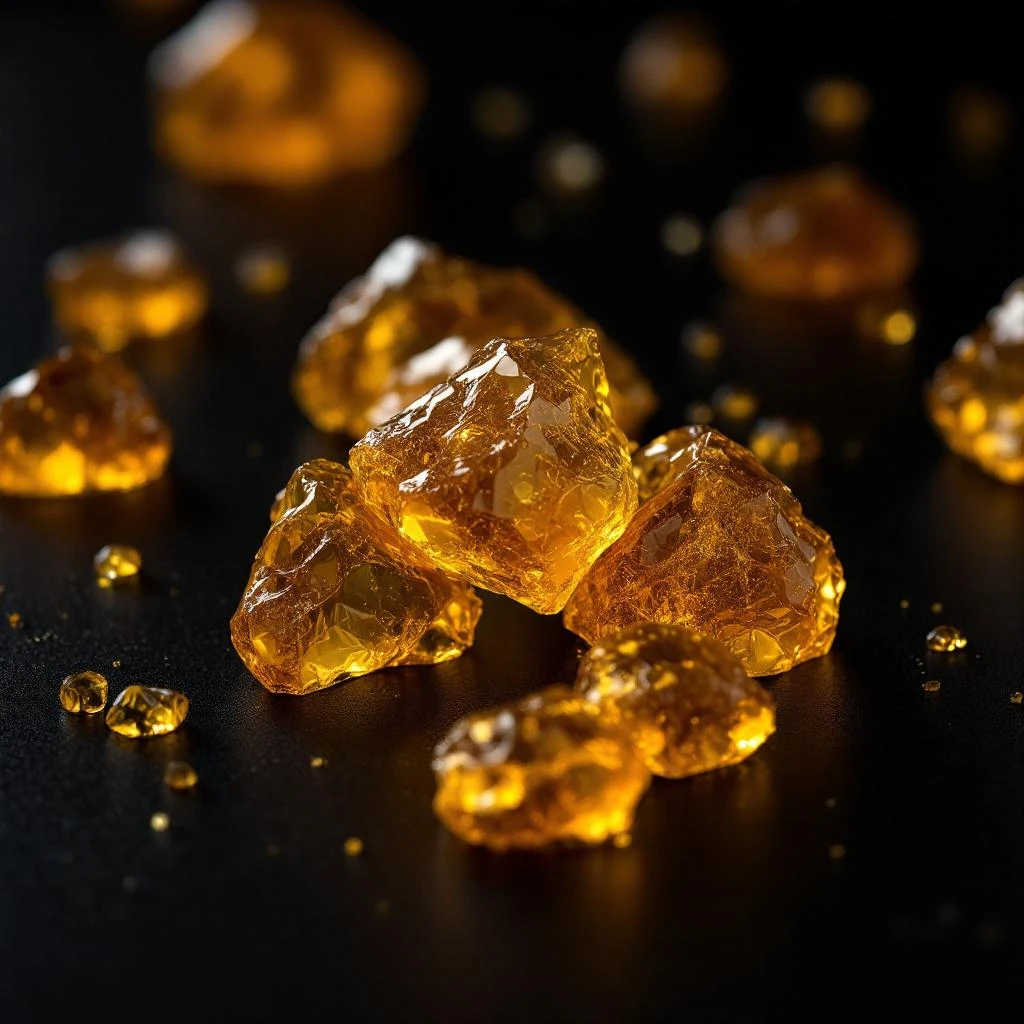
Sweet warmth from tropical kernels, distilled into scent.
The cola nut contains roughly 2-3.5% caffeine by weight, making it one of the few botanical ingredients with a naturally occurring stimulant that carries directly into perfumery materials.







Origin
Nigeria
For centuries before perfumery, West African cultures used the cola nut in ceremonies, hospitality rituals, and as a social stimulant. Chewed fresh or dried, the nuts were offered to guests as a sign of respect and community.
European traders encountered these seeds in the 19th century and began exporting them as commodities. The nuts entered Western consciousness primarily through the soft drink industry, with Coca-Cola launching in 1886 and establishing a globally recognized flavor profile.
Fragrance chemists subsequently isolated key aromatic compounds from the natural material, enabling perfumers to incorporate the warm, sweet-spicy character into artistic compositions. The cola note gained prominence in late 20th-century gourmand perfumery, where it became associated with playful, nostalgic, and comforting olfactory themes.
Wears it best
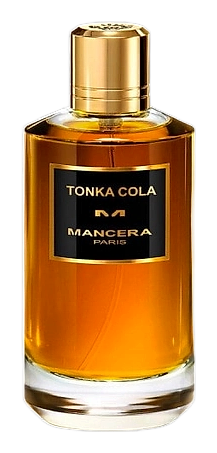
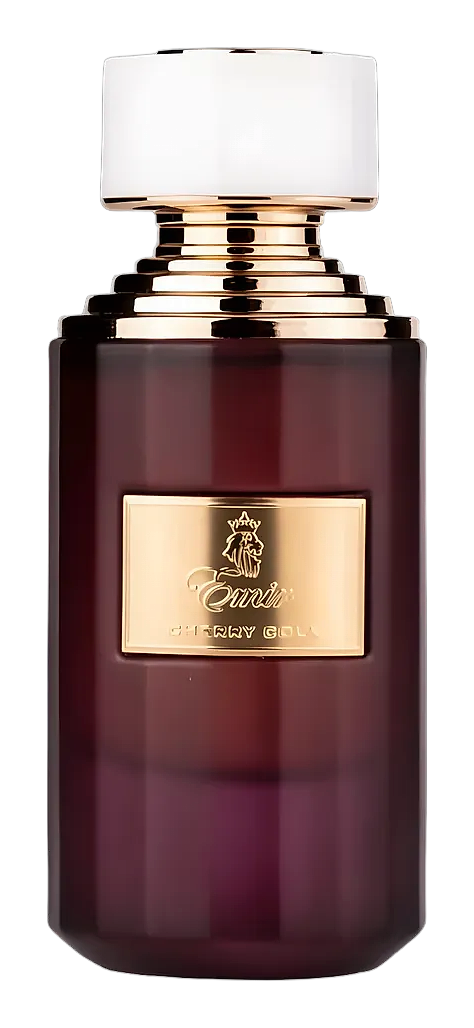
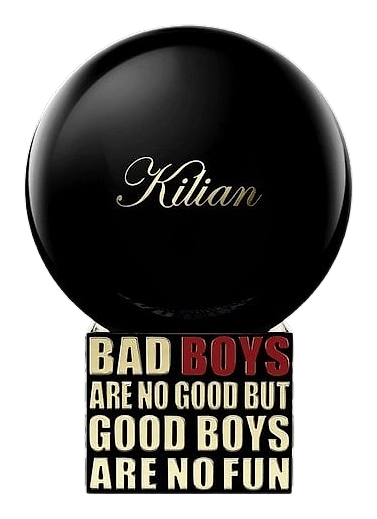
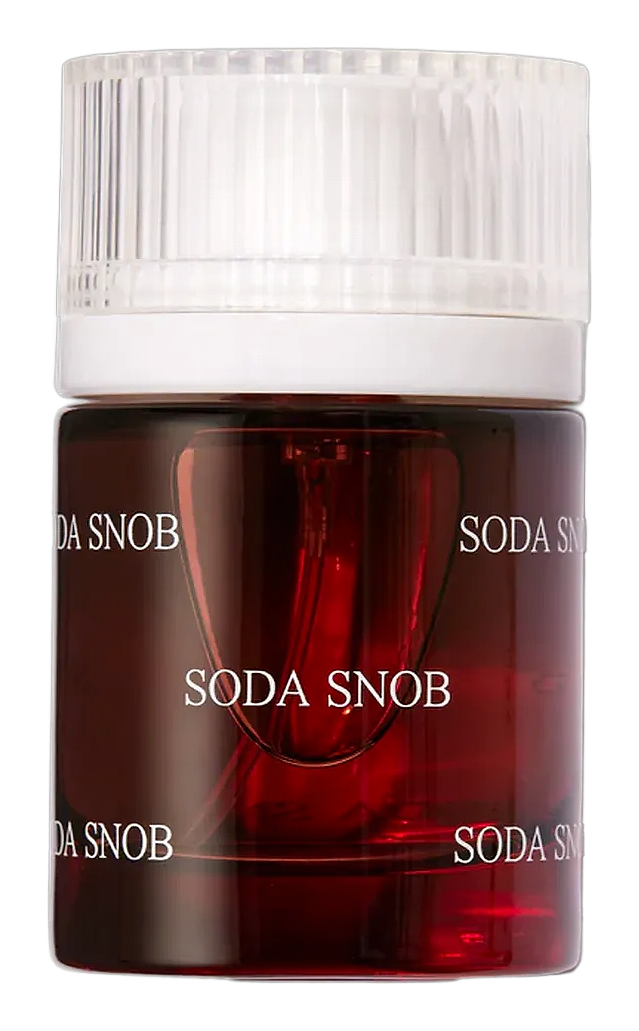
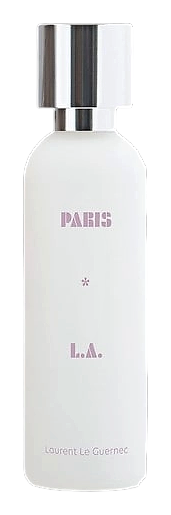
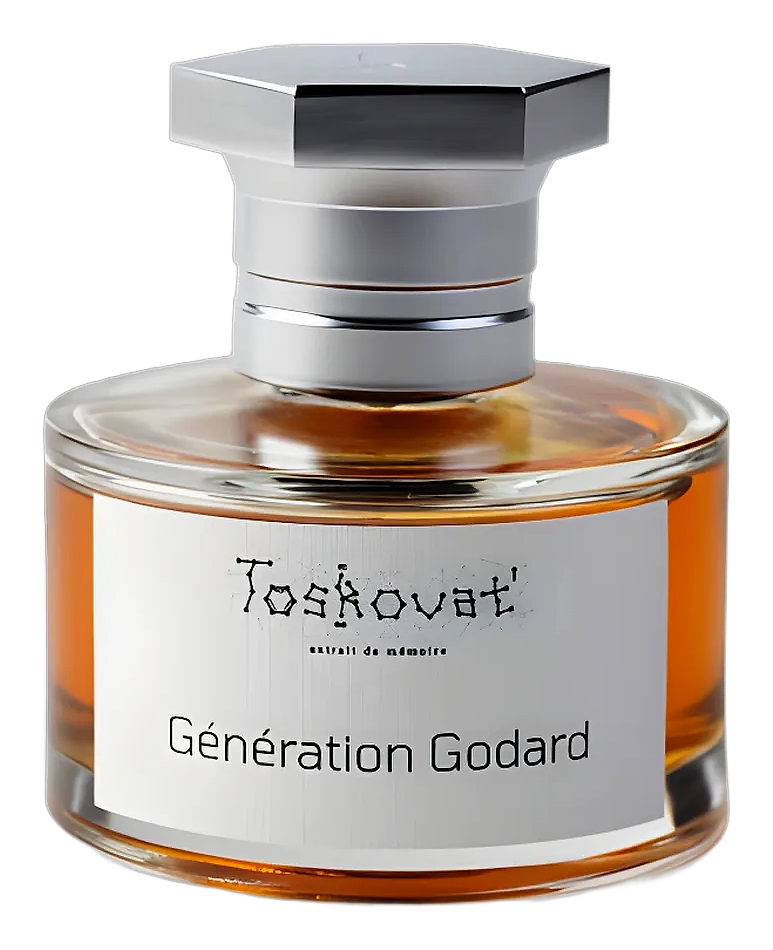
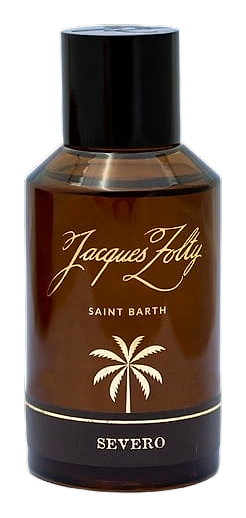
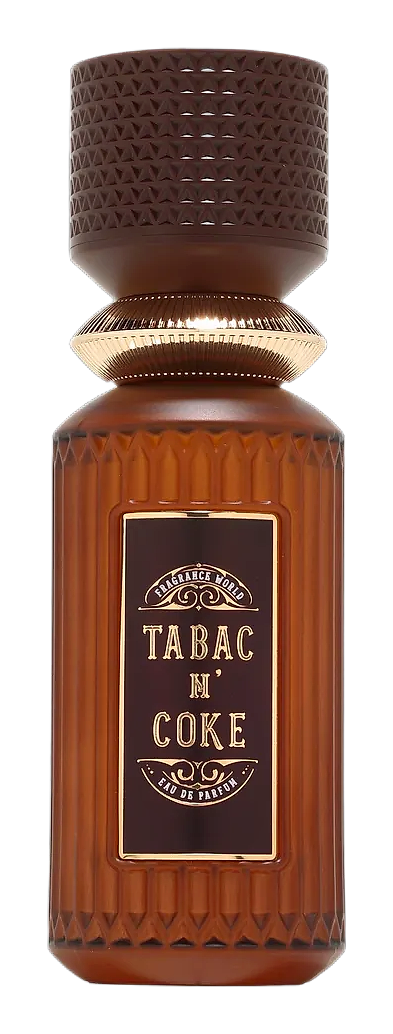
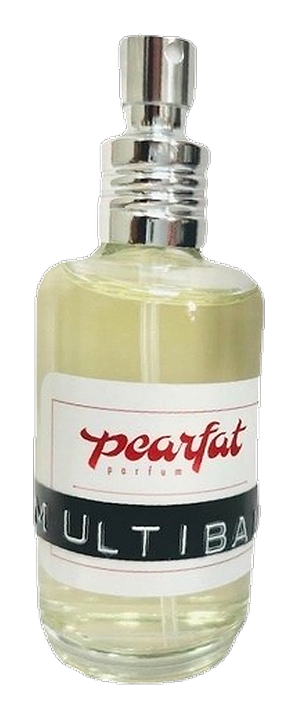
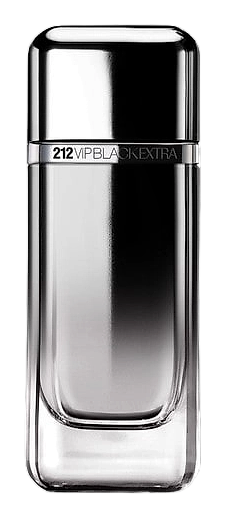
Fragrances featuring Cola


Brands
Brands known for Cola
Good to know
Questions, answered
The essentials on Cola in perfumery: how it smells, where it comes from, and how it behaves on skin.
What does Cola smell like in perfume?
Cola in perfume smells warm and sweet, with notes of caramel, vanilla, and gentle spice. The effect is gourmand and comforting, sometimes showing a slight bitter edge that prevents it from becoming overly sugary. It often blends with other sweet materials to create an impression similar to vanilla cola rather than the commercial beverage.
Why is Cola used in perfumery?
Cola note is used for its warm, nostalgic character that bridges sweet and spicy fragrance families. It adds a gourmand quality that feels modern and playful. The note can soften oriental bases and give sweetness without the heaviness of typical dessert ingredients.
Is Cola in perfume natural or synthetic?
Cola in perfume is usually a reconstructed accord combining both natural and synthetic materials. Natural cola absolute exists but remains expensive and rare. Most fragrance houses create their cola notes from combinations of vanillin, coumarin, and other aromachemicals that together approximate the cola nut's profile.
What famous perfumes contain Cola?
Dolce and Gabbana The One and Mugler Alien were among early fragrances to feature prominent cola notes. More recently, Byredo Young Rose and Armani Prive Rouge Malachite incorporated the note as part of their signature accords. The ingredient has become especially popular in gender-fluid and niche fragrances.
Is Cola a top note, heart note, or base note?
Cola typically functions as a heart note in fragrance construction, appearing 15 to 30 minutes after application. Its sweet warmth develops from initial opening notes and lingers into the dry-down. Some heavy cola accords can extend into base territory, particularly when blended with vanilla or benzoin.
What notes pair well with Cola in perfume?
Cola pairs naturally with vanilla, tonka bean, and coumarin for sweet effects. For contrast, it combines with cardamom, cinnamon, and pink pepper for spiced interpretations. Ambrette and white musk help lighten cola into fresher compositions, while amber materials deepen the warmth.
Where does Cola come from?
Natural cola originates from the cola tree, Cola nitida, which grows in the tropical rainforests of West Africa. Nigeria represents the largest producer, followed by Ghana and Ivory Coast. The trees require humid, shaded conditions and produce seed pods containing the aromatic kernels used in extraction.
Is Cola used in men's or women's fragrances?
Cola has become a gender-neutral note in contemporary perfumery. The ingredient originally appeared in sweeter womens fragrances but now features equally in mens and gender-fluid compositions. Its versatility allows perfumers to position it across the fragrance spectrum depending on companion notes.





