
The Story
Why it exists.
The beginning
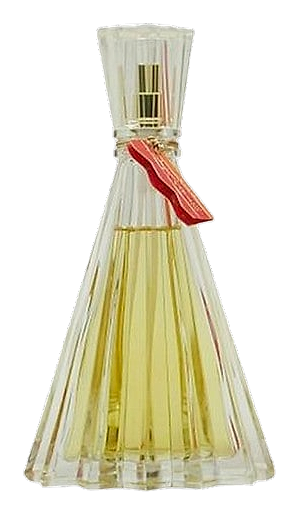
Intoxication d'Amour was re-orchestrated in 1997 for D'Orsay, the house whose name carries the romance of an era when personal fragrance commissions were acts of devotion. The 1942 original was a floral composition that carried D'Orsay's romantic register through the decades before the 1997 revision reframed the edges while keeping the floral heart intact. The tangerine and blackcurrant opening gains more snap in the newer version, and the sandalwood and oakmoss base lands with quieter authority. It's a restoration rather than a reinvention, a second pass at a scent that already knew what it wanted to say.
What makes the structure interesting is the balance between fruit and green. The blackcurrant and tangerine open with a sharp, tart snap, the kind of brightness that reads almost herbal before the softer notes arrive. Gardenia and rosewood soften the edges, the rosewood sitting between fruit and floral like a bridge, adding a faint woody hum before the sandalwood takes over in the base. That hand-off, fruit to wood via rosewood, is what gives the drydown its continuity instead of a hard break.
The evolution
The first ten minutes belong to tangerine and blackcurrant, sharp enough to register as a statement rather than a greeting. Gardenia and rosewood soften the edges before the florals arrive in force. Honeysuckle leads the heart, sweet and slightly wild, with jasmine giving it lift and lily of the valley adding that cool, green-petal clarity. Peach arrives as the composition warms and pulls closer to the skin, lending a soft, skin-like roundness to the accord. By the second hour, the violet has settled into the base alongside oakmoss, and the composition reads drier, more introspective. The sandalwood and vanilla take over from there, and what lingers past the four-hour mark is a warm, woody softness, more musk-adjacent than the opening ever promised. On fabric the next morning, the oakmoss and sandalwood are still there, quiet but unmistakable.
Cultural impact
Intoxication d'Amour sits in the lineage of florals that never fully abandoned their green edges, compositions that keep some bite in their structure even when the heart is soft and sweet. Wearers tend to describe it as a quiet romantic, the kind of scent that earns its place in a collection rather than demanding attention at the counter. There's a discipline to the way the notes are arranged, a refusal to lean too hard on any single accord, which gives the fragrance its particular staying power. It rewards close attention without requiring it, revealing more the longer you sit with it.