Yves Tanguy
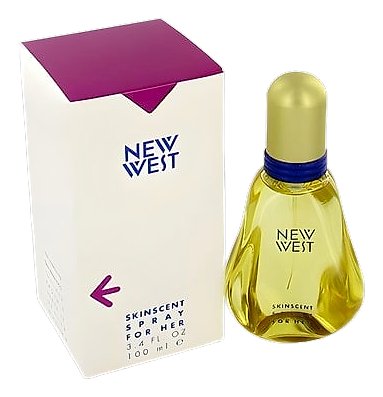
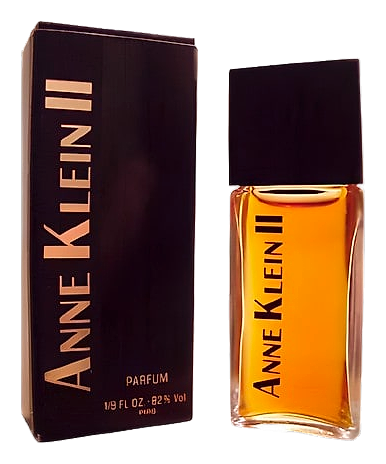
Yves Tanguy spent four decades building one of the most quietly impressive bodies of work in twentieth-century perfumery. He began without formal training, working from a modest studio where he developed the hands-on methodology that would define his practice. His breakthrough arrived with Magie Noire in 1978, a rich and magnetic women's fragrance that announced his arrival to the industry. He followed this with Anne Klein II in 1986, cementing his reputation for creating scents with genuine character. But it was New West for Aramis in 1989 that secured his place in perfumery history. Tanguy became the first to introduce a marine note into mainstream fragrance, using the molecule Calone to capture something salty, watery, and entirely new. Since 1990, he has served as guardian of the Osmotheque's scent library near Versailles, preserving the industry's heritage for future generations. His approach was always sensory and instinctive, drawing from the pleasures of taste and smell rather than trend reports.
The hits
Notable creations
The signature
How Yves composes
Tanguy's signature lay in balancing contrasts. He had a particular talent for grounding unexpected elements together, creating fragrances that felt both bold and refined. His work with Calone in New West demonstrated his willingness to push into uncharted territory while maintaining wearability. He favored warm, enveloping base notes and had a gift for constructing fragrances that developed beautifully over time on the skin. His compositions often balanced intimacy with ambition.
Philosophy
What drives Yves
Tanguy described himself as epicurean at heart, finding inspiration in life's finest pleasures. He believed fragrance should evoke emotion and memory, not simply follow the market. Rather than chasing trends, he preferred to work from sensory experience, trusting his instincts about what combinations would feel alive on the skin. His philosophy centered on creating perfumes that offered genuine pleasure and lasting appeal, rather than formulas designed for short-term impact.
The houses
Maisons Yves composes for
In the same league