The Story
Why it exists.
The beginning
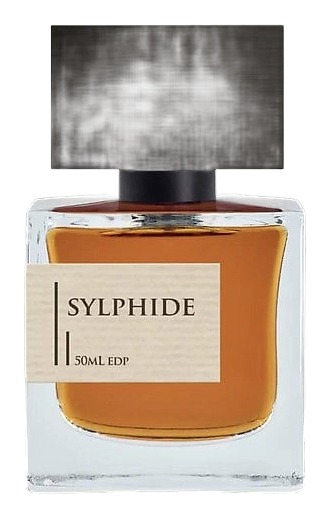
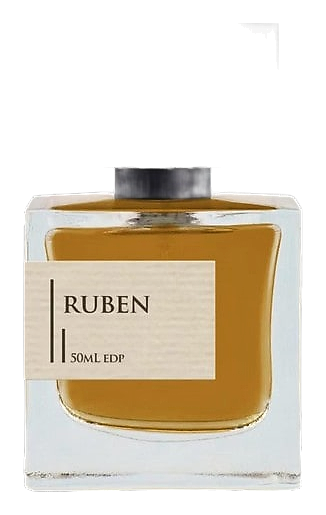
Corey Newcombe built Ruben over three years, starting in 2017 and finally landing the formula in early 2019. He wanted a more masculine fragrance for the Criminal Elements range, and he went at the problem sideways: a reimagining of the classic chypre, but with the traditional labdanum swapped out for a peppery oud and amber accord. Newcombe himself called it an alternate version of Sylphide. The restructuring was deliberate, the kind of work that happens when a perfumer has the luxury of time and the temperament to use it well.
The chypre structure, bergamot over oakmoss, is one of perfumery's oldest architectures. What makes Ruben interesting is what Newcombe left out and what he put in. The labdanum that typically anchors a chypre's resinous warmth gets replaced by a peppery oud and amber accord, shifting the base into drier territory. Bitter almond enters at the heart, adding a marzipan edge that keeps the orange blossom from going syrupy. The almond note threads between the florals and the base like a quiet argument, grounding both sides in something edible and faintly bitter at once.
The evolution
The opening is all surface: lavender and bergamot doing what the lavender-bergamot duo always does, but with an edge of metallic cool, almost like a polished blade in morning air. The aromatics arrive with a certain bite, that bracing lavender-tinged sharpness that feels less herbal-tea and more crisp-linen-against-cold-skin. As the initial brightness recedes, the petitgrain and orange blossom push through, softening the aromatics with a floral that reads more herbal than sweet. The orange blossom here carries a green stem rather than full indolic bloom, staying just on the right side of austere. The bitter almond is the turning point, a marzipan warmth that arrives just as the citrus is fading, bridging the airy top into something grounded.
Cultural impact
Ruben sits at the intersection of classical chypre tradition and indie perfumery's appetite for restructuring old forms. It takes the mossy, green DNA of the chypre family and swaps out the labdanum for oud and amber, producing a composition that reads as deliberate rather than nostalgic. The familiar architecture remains, bergamot over oakmoss, but the load-bearing resin has been substituted, and that single substitution reframes everything beneath it. There's a kind of literary weight to the approach, a sense that the fragrance is in conversation with a genre rather than simply wearing its costume.
The House
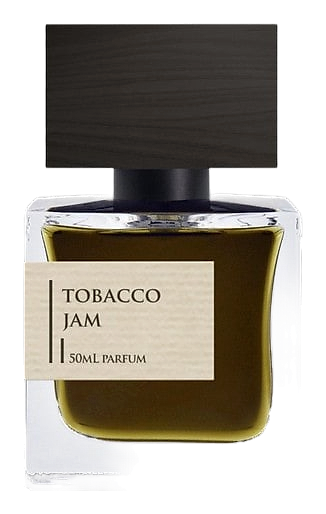
Criminal ElementsCriminal Elements is an Australian indie perfume house that crafts small‑batch scents from a modest studio in South Australia. Founded by perfumer Corey Newcombe, the brand blends unconventional raw materials with a laboratory‑like precision, delivering fragrances that feel more like experiments than marketing slogans. Their catalogue ranges from the smoky jam of Tobacco Jam (2016) to the bright, neon‑hued Neon (2020), each bottle promising a distinct olfactory story.
The Creator
Corey NewcombeCorey favors a high‑contrast palette: bright metallics, sharp aldehydes, and dense, resinous woods. He often begins with a synthetic anchor—copper, zinc, or a metallic ion—and builds outward with natural notes like smoked pine, dried herbs, or fermented fruit.