The Story
Why it exists.
The beginning
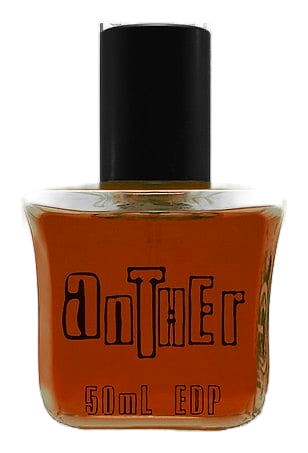
Anther arrived in 2019 from Corey Newcombe's studio in South Australia, joining a release cycle that has since built a reputation for animalic chypres and stubborn oakmoss compositions. Newcombe trained as a chemist before perfume became his calling, a fact that shows up in the way his fragrances feel engineered. Anther tests a chypre architecture that leans into high doses of civet, betting that the framework can absorb an animalic punch that softer compositions would dilute. The brief reads less like an attempt to please and more like a question being asked of the wearer. Bitter orange opens with a sharp, almost soapy brightness that quickly gives way to the warmth underneath, and that early sparkle sets the contrast for everything that follows.
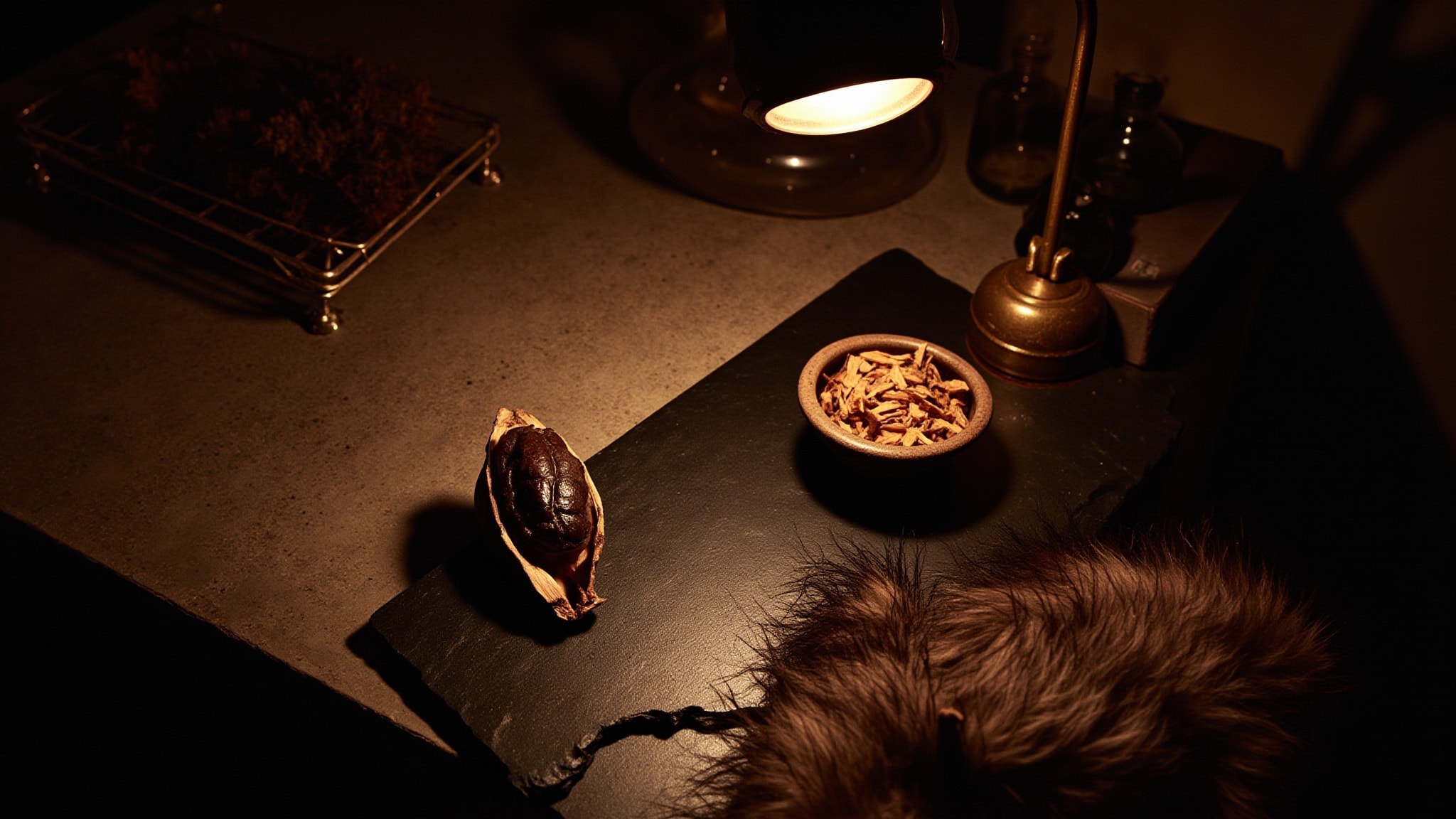
Anther keeps the classical chypre architecture but loads the animalic side hard. Civet brings the fur-warmth and urinary edge that traditional chypres only hinted at, and there's a raw, intimate quality to it that hits before the rest of the composition has settled. Cacao and ambergris sweeten the deal just enough to keep it wearable, though the sweetness never fully masks the musk; it just softens its edges.
The evolution
The first ten minutes are powder and fur, civet and neroli arguing about who gets the room. Bitterness wins the early rounds, then cacao and nutmeg step in around the thirty-minute mark, dragging the whole thing toward warmth. The heart holds that warmth for hours, suede and oakmoss slowly trading places with ambergris and patchouli as the bitter orange fades completely. What's left by hour four is skin-close: a quiet civet-and-suede hum that reads as intimate rather than loud. The next morning on fabric, it's mostly oakmoss and a ghost of cacao. Nothing theatrical. Just evidence.
Cultural impact
Anther shows up most often in fragrance discussions as an example of modern perfumery willing to push animalic materials past their usual ceiling. Fragrance forums place it beside Zoologist's Civet and Papillon's Salome when collectors talk about contemporary civet-forward compositions, and it earns mention alongside other niche releases that treat musk as a structural element rather than a background note. Community voting data pegs it as a cold-weather favorite, with winter leading the seasonal ratings and fall close behind, a pattern that fits the dense, fur-warm character of the juice.
The House
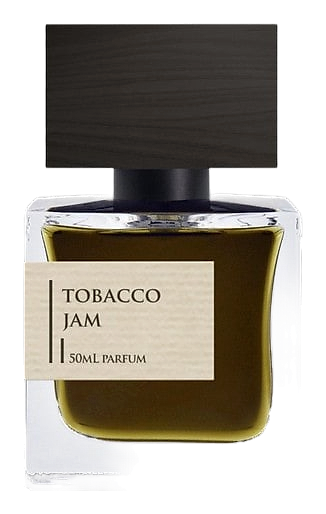
Criminal ElementsCriminal Elements is an Australian indie perfume house that crafts small‑batch scents from a modest studio in South Australia. Founded by perfumer Corey Newcombe, the brand blends unconventional raw materials with a laboratory‑like precision, delivering fragrances that feel more like experiments than marketing slogans. Their catalogue ranges from the smoky jam of Tobacco Jam (2016) to the bright, neon‑hued Neon (2020), each bottle promising a distinct olfactory story.
The Creator
Corey NewcombeCorey favors a high‑contrast palette: bright metallics, sharp aldehydes, and dense, resinous woods. He often begins with a synthetic anchor—copper, zinc, or a metallic ion—and builds outward with natural notes like smoked pine, dried herbs, or fermented fruit.